Lake Urmia
“A Vanishing Inland Sea”
CATEGORY
Environment / Documentary
YEAR
2024–2026
LOCATION
Lake Urmia, West Azerbaijan & East Azerbaijan, Iran
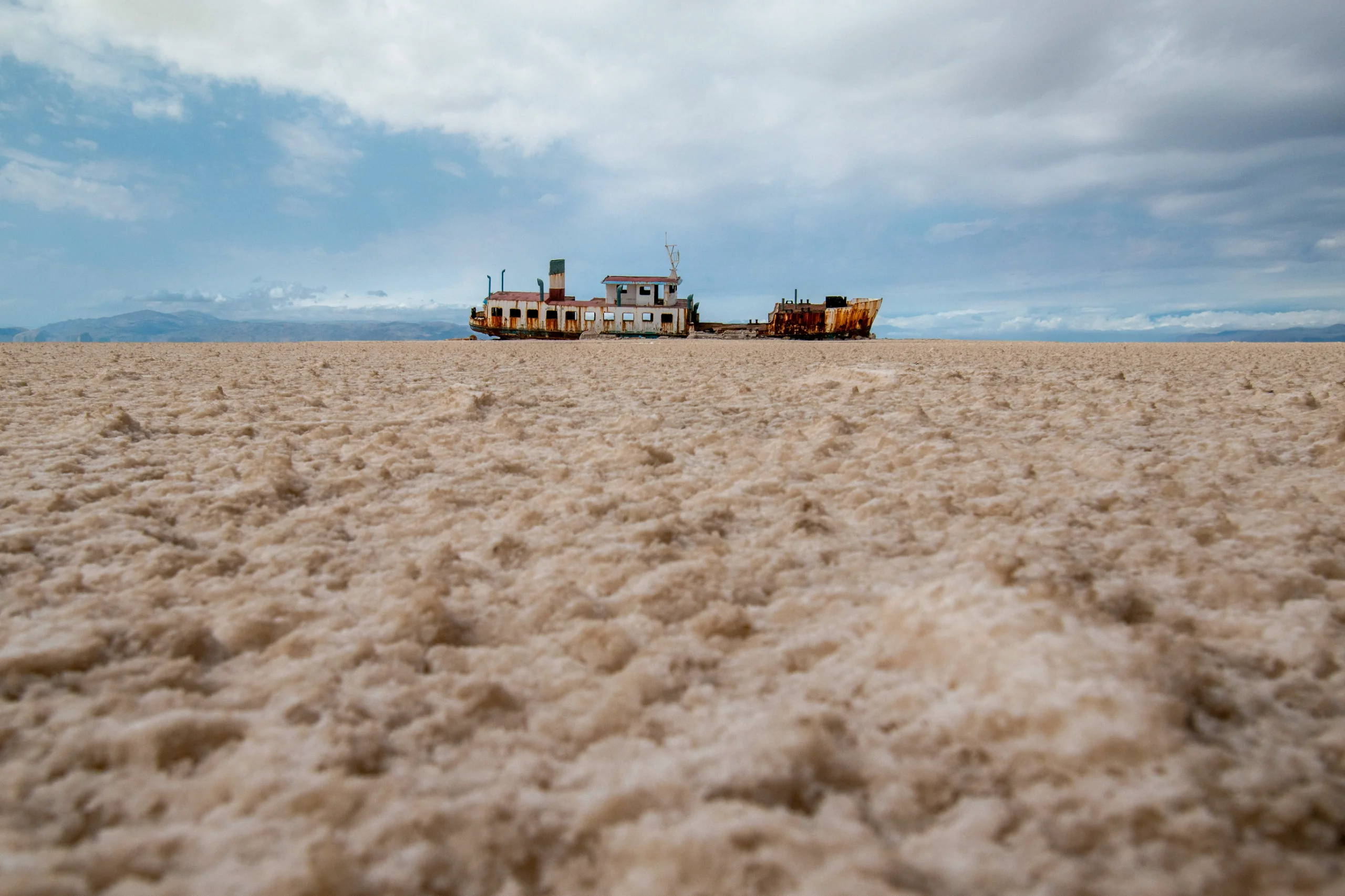
This documentary photograph captures the rusted wreck of the Artemis ship resting on the dried salt bed of Lake Urmia, located in northwestern Iran. Once a vital ecological hub and one of the largest salt lakes in the Middle East, Lake Urmia has faced severe desiccation challenges in recent years, leaving striking remnants like abandoned vessels stranded across its expansive crystalline flats under a cloudy sky.
Lake Urmia, West Azerbaijan & East Azerbaijan, Iran
Lake Urmia, one of the largest salt lakes in the Middle East and one of Iran’s most significant natural landmarks, lies between East Azerbaijan and West Azerbaijan in northwestern Iran. Once an immense inland sea covering thousands of square kilometers, Lake Urmia was historically an important destination for local communities, travelers, and tourists, and its waters were used for boating and navigation. Ferries and other vessels once crossed parts of the lake, connecting settlements and providing access to its islands and shores. The lake was also renowned for its striking landscapes, salt-rich waters, islands, beaches, and distinctive natural environment, attracting visitors from across Iran. Over recent decades, Lake Urmia has undergone a dramatic environmental transformation. Declining water levels have exposed vast areas of the lakebed, leaving behind extensive salt flats and increasingly fragmented water bodies. The scale of the exposed landscape reveals the extraordinary size of the former lake and provides a powerful visual record of ecological change. As the water retreats, salt-covered surfaces and dry lakebed areas have become increasingly visible, raising concerns about windblown salt and dust, agriculture, surrounding ecosystems, and the communities living around the basin. The environmental crisis of Lake Urmia has also transformed the experience of the landscape. Places that were once surrounded by water are now separated from the lake by exposed land, while former beaches, harbors, piers, and recreational areas reveal traces of a different relationship between people and the lake. The disappearance of water has altered tourism, transportation, local livelihoods, wildlife habitats, and the visual identity of the region. This documentary photography collection records Lake Urmia at a critical moment in its history. Through aerial and ground-level photographs, the series explores the enormous scale of the lake, its remaining waters, salt formations, exposed shoreline, abandoned or transformed coastal infrastructure, surrounding landscapes, and the traces of tourism and human activity. The photographs are not simply records of a disappearing body of water; they form a visual archive of one of Iran’s most significant environmental transformations and the changing relationship between people and one of the country's great inland seas.
Explore Complete Gallery
Individual plates and standalone studies curated within this collection monograph. Each frame represents an authentic master study.
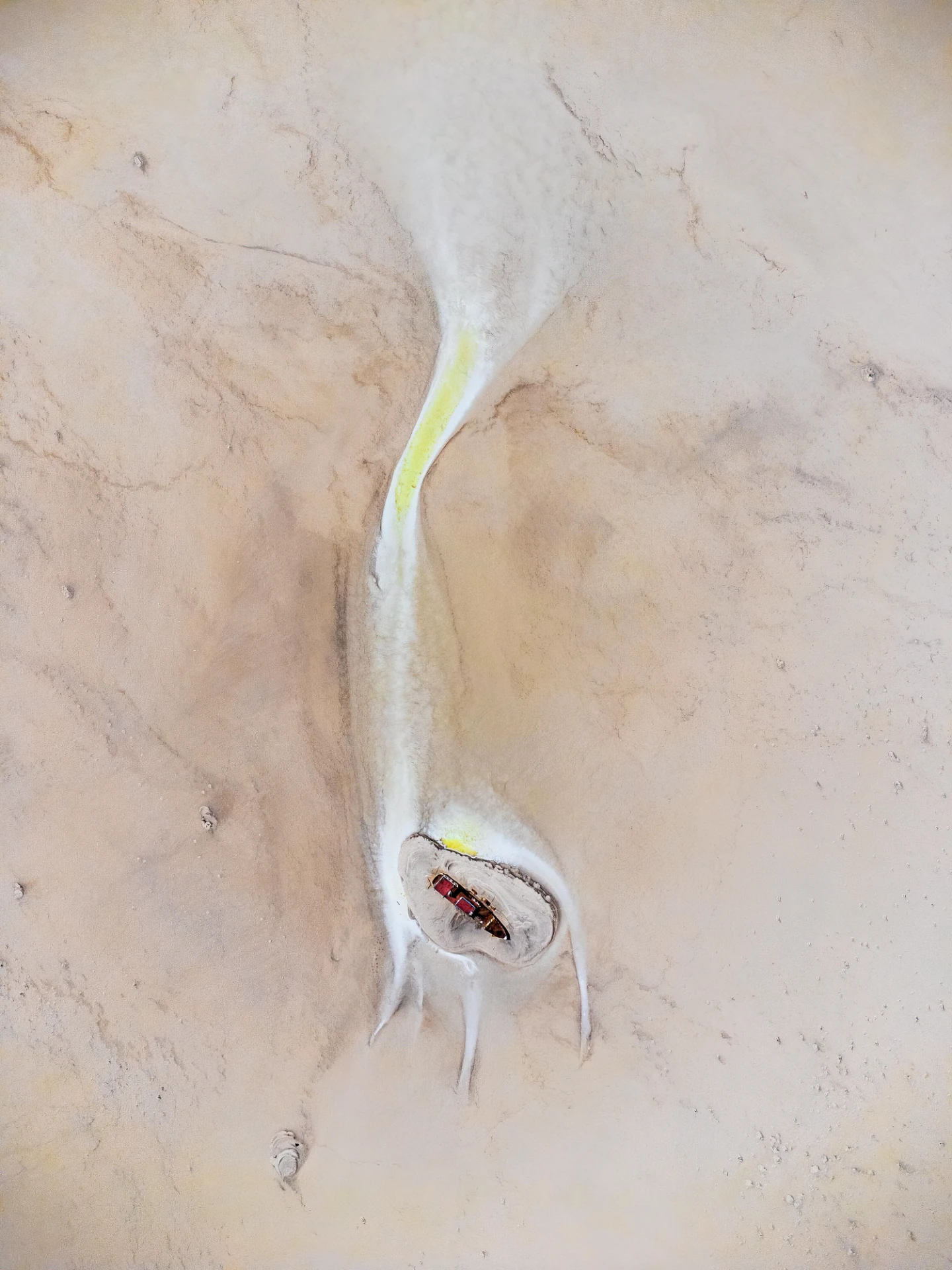
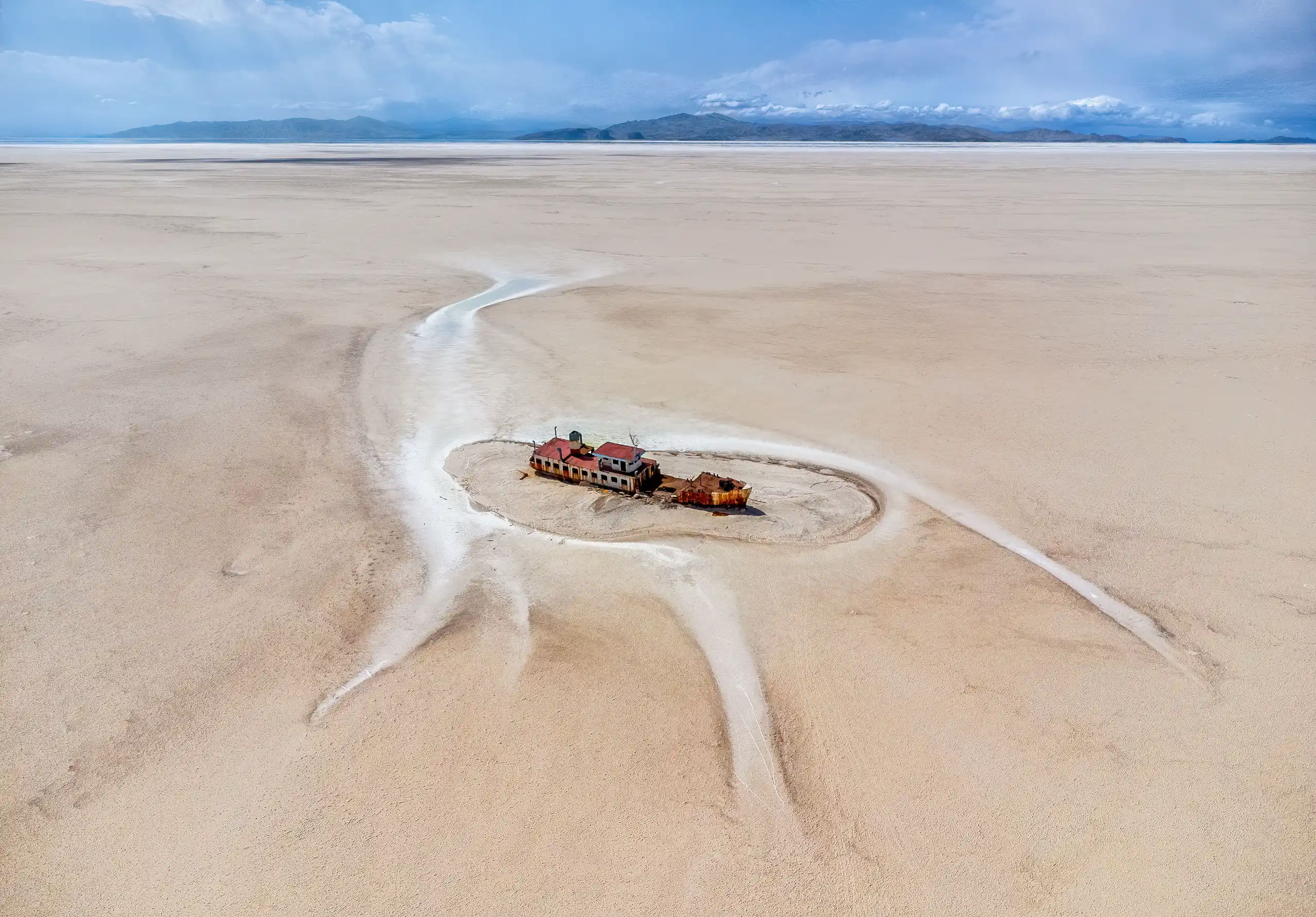
An aerial photograph taken from a height of 500 meters showing the Artemis ship stranded in Lake Urmia, located in northwestern Iran. Lake Urmia is one of the largest hypersaline lakes in the world, known for its striking changing water colors and unique ecological environment. Travelers visiting the region can observe the dramatic environmental shifts and saline landscapes that characterize this notable natural landmark. Photograph by Mohammad Ataei.
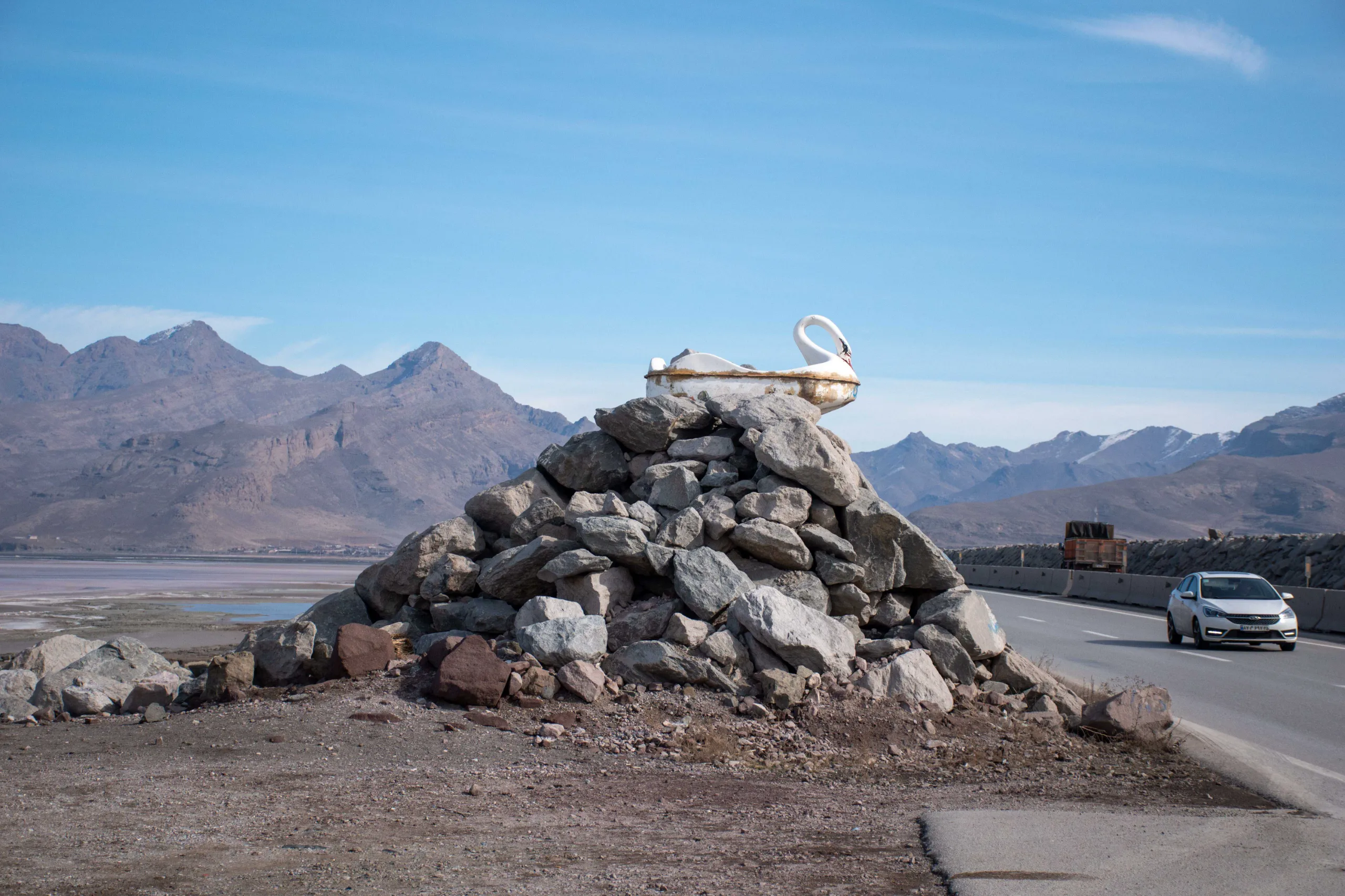
An unused recreational paddle boat shaped like a swan sits atop a pile of rocks near the coastal road of Lake Urmia, located in northwestern Iran. Lake Urmia is one of the largest saltwater lakes in the Middle East and a notable natural landmark. Once a thriving hub for tourism and boating, the shrinking waters of the lake have left behind surreal scenes such as abandoned tourist infrastructure along its arid shores.
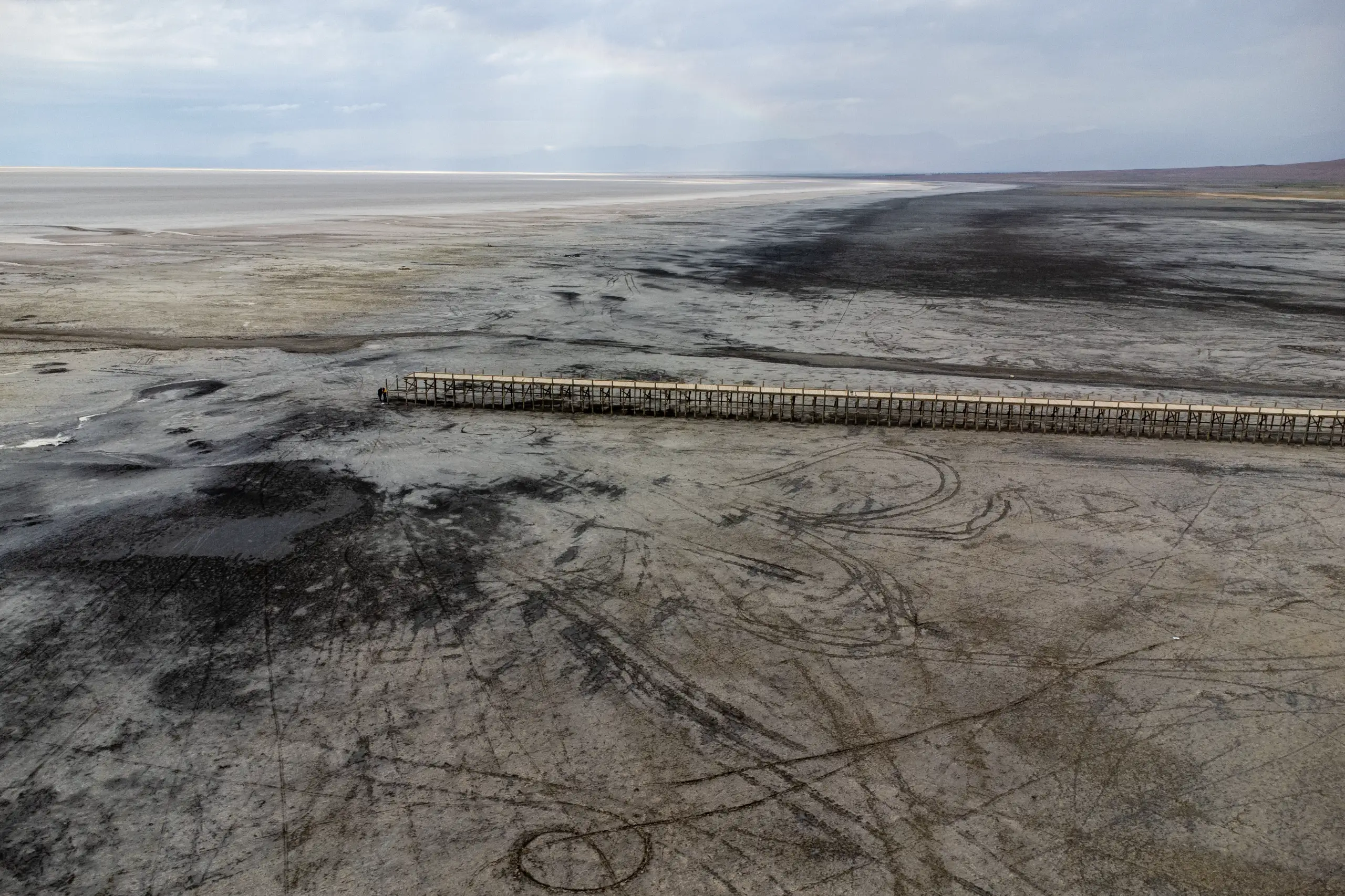
Aerial photograph of the receding shoreline and dry bed of Lake Urmia in northwestern Iran. Once one of the largest saltwater lakes in the Middle East, Lake Urmia has faced significant ecological challenges due to climate change, droughts, and upstream damming, resulting in vast expanses of exposed salt flats and mud flats. This documentary view captures the stark landscape, tire tracks across the mud, and a wooden structure extending into the shrinking basin under an overcast sky.
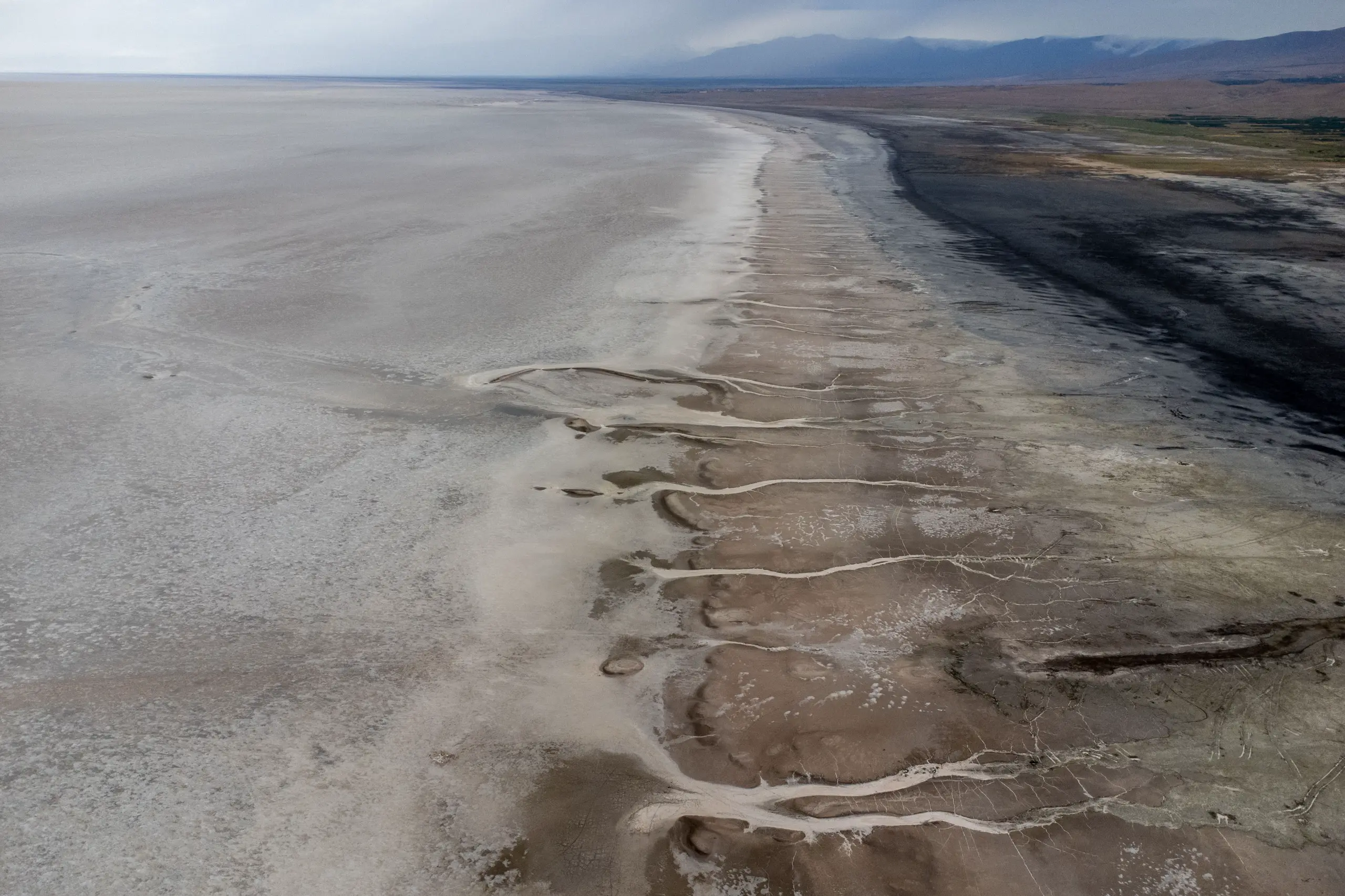
An aerial view showing the dried-up shoreline of Lake Urmia in northwestern Iran. Lake Urmia is one of the largest hypersaline lakes in the world, known for its unique ecological features, dramatic water level fluctuations, and vast salt flats. Traveling to this region offers visitors a striking landscape of geological formations and environmental phenomena, highlighting the ongoing ecological challenges and natural beauty of Iran's significant water bodies.
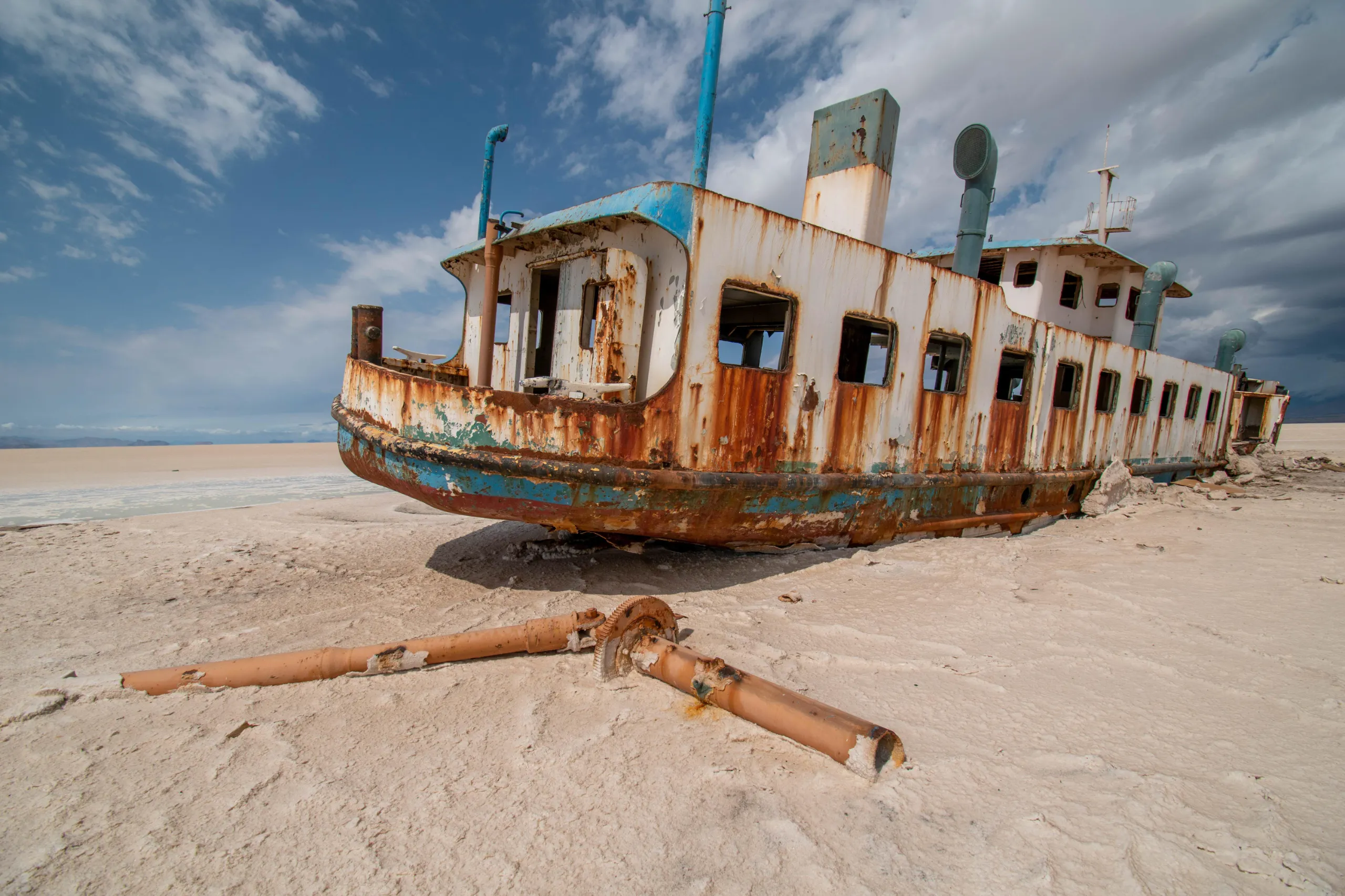
This photograph depicts the rusted shipwreck of the Artemis resting on the dry, saline shores of Lake Urmia in northwestern Iran. Once a prominent body of water, the lake has faced significant ecological challenges and desiccation over recent decades, leaving striking remnants like this abandoned vessel stranded on the salt flats. For travelers and researchers, the stark landscape offers a powerful testament to environmental change in one of the region's most notable natural habitats.
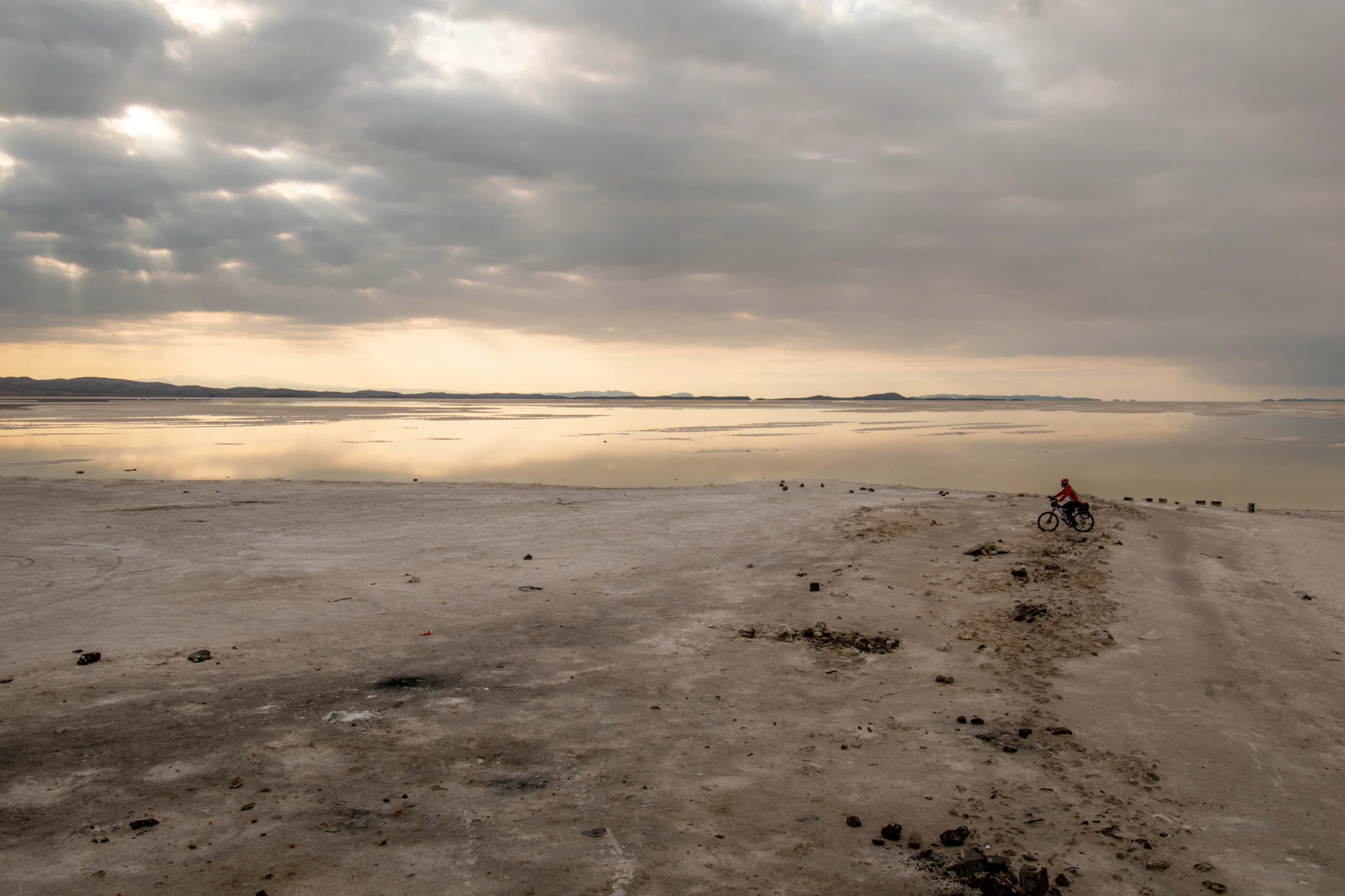
A cyclist pauses along the vast, saline shores of Lake Urmia in northwestern Iran under a dramatic cloudy sky. Once one of the largest hypersaline lakes in the world, Lake Urmia is a major ecological landmark known for its striking expanses, striking salt crusts, and unique migratory bird habitats. Travelers visiting the region encounter expansive landscapes and environmental restoration efforts that make this notable geographic destination a vital part of Iran's natural heritage.
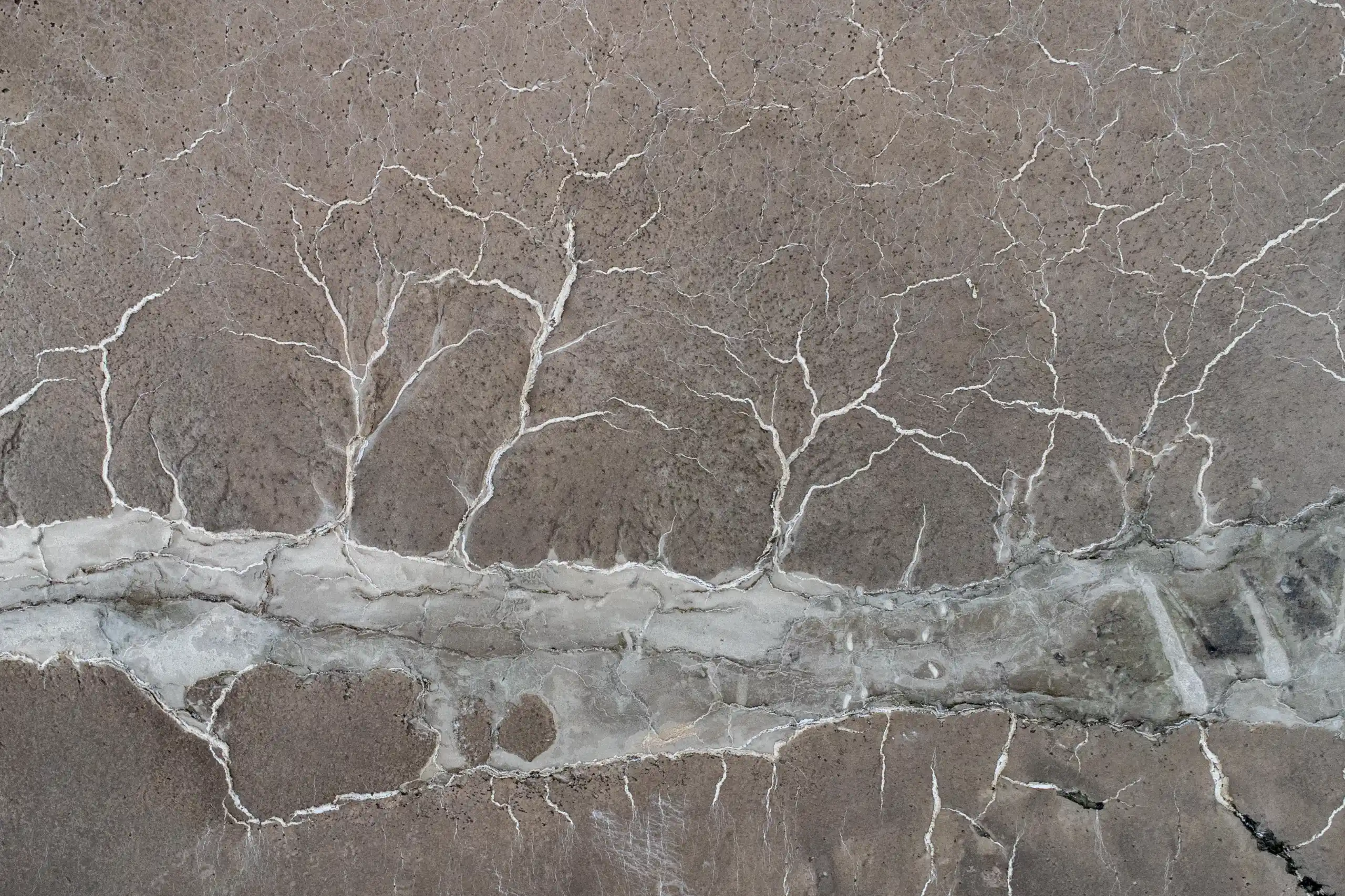
Aerial view of the dried shore of Lake Urmia, located in northwestern Iran. This remarkable saline lake has faced severe ecological challenges and water level reduction in recent years, turning vast sections into barren, cracked earth landscapes marked by crystallized salt formations. For travelers and environmental researchers, the drying lake serves as a striking reminder of regional climate changes and desertification processes affecting unique aquatic ecosystems.
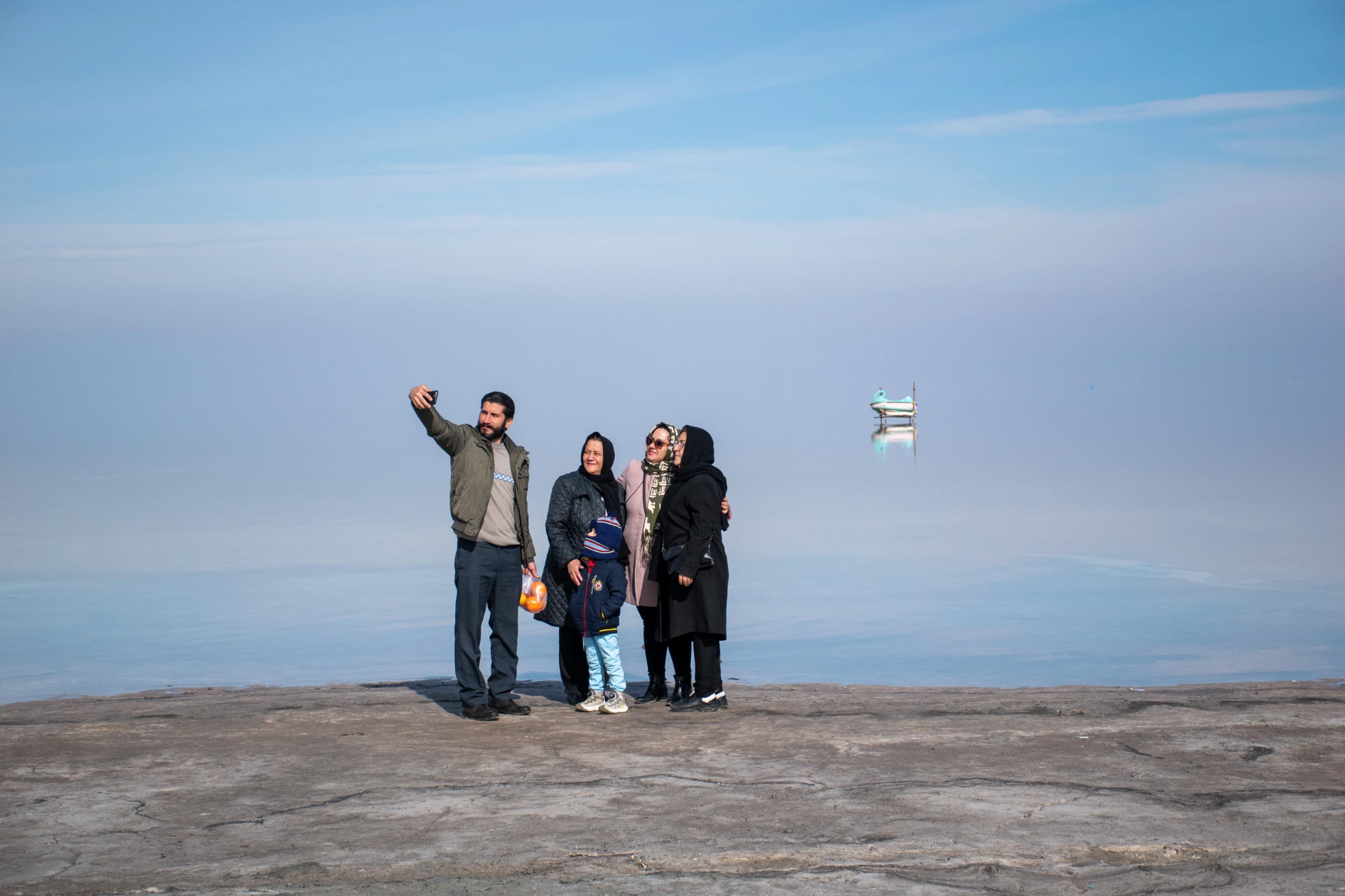
A family taking a selfie together on the shore of Lake Urmia in northwestern Iran, following spring rainfall that raised the water level. Lake Urmia is a major natural landmark known for its high salinity and expansive vistas. Visitors often come to enjoy the changing landscape and unique environmental conditions of the region. Photograph by Mohammad Ataei.
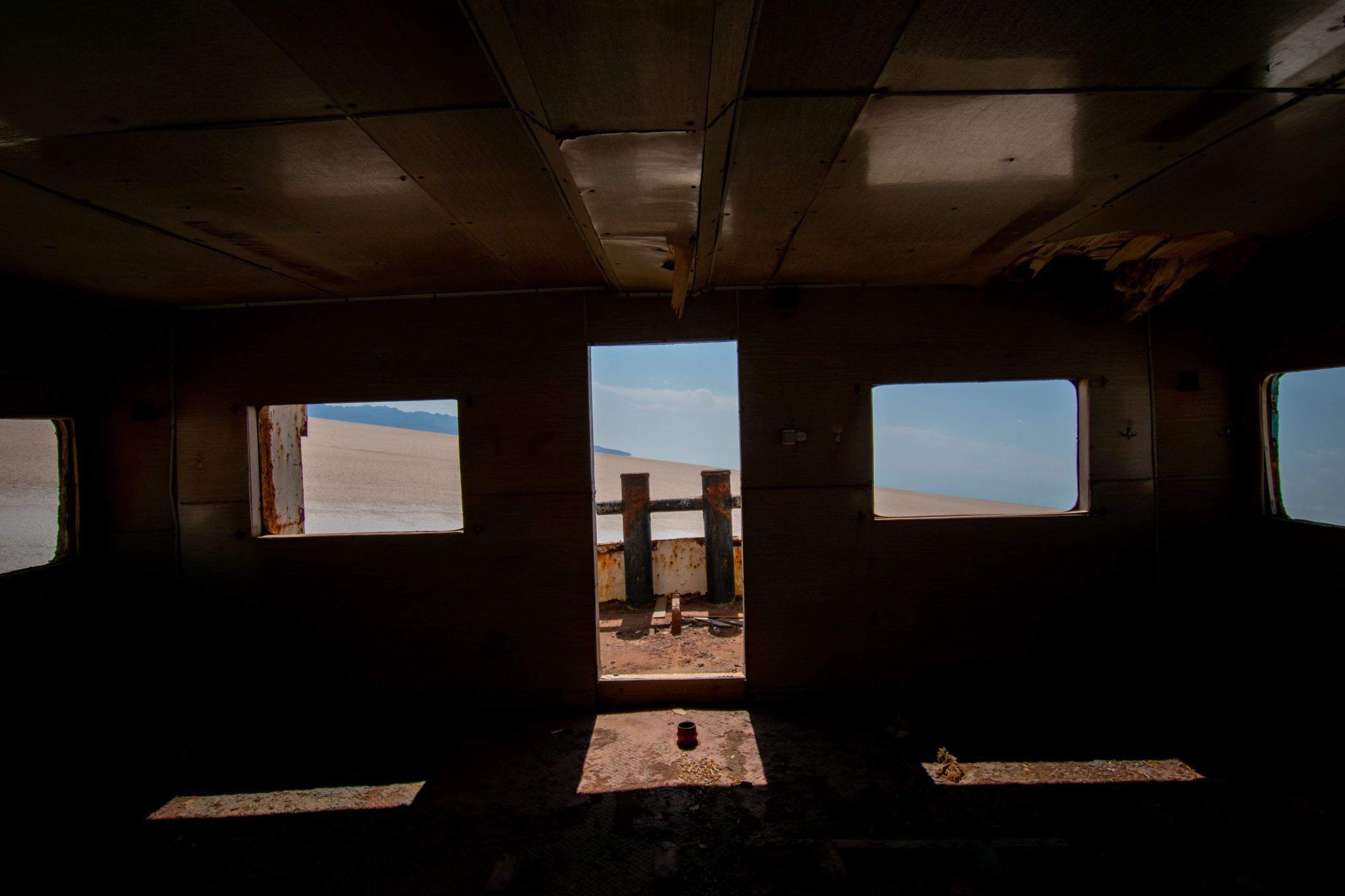
This photograph captures the interior of the stranded Artemis ship, located in the middle of Lake Urmia in northwestern Iran. Once a bustling body of water, Lake Urmia has faced severe desiccation challenges, leaving structures like this shipwreck stranded amid vast salt flats and dwindling waters. The site draws visitors interested in environmental geography, dramatic landscapes, and the stark realities of climate impact in the region.
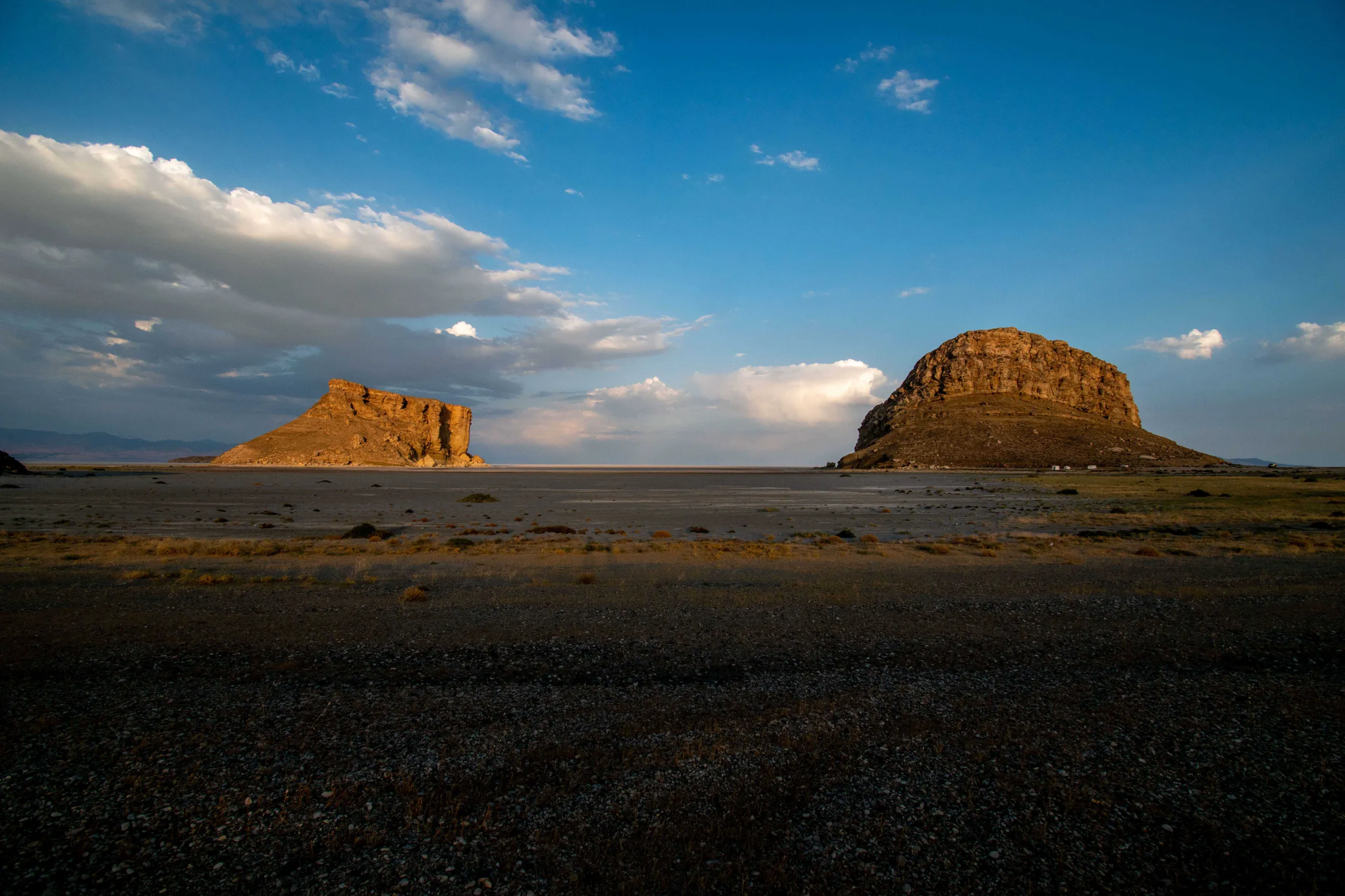
A wide landscape view capturing the prominent rock formations of Kazem Dashi and Qala Dashi in the Urmia Lake region of northwestern Iran. Once surrounded entirely by water, these historic rocky outcrops now sit largely on dry land due to the dramatic recession of the lake. Travelers visiting this remote site can witness the striking geological formations and the remnants of historical settlements that reflect the shifting environmental conditions of the area. Photograph by Mohammad Ataei.
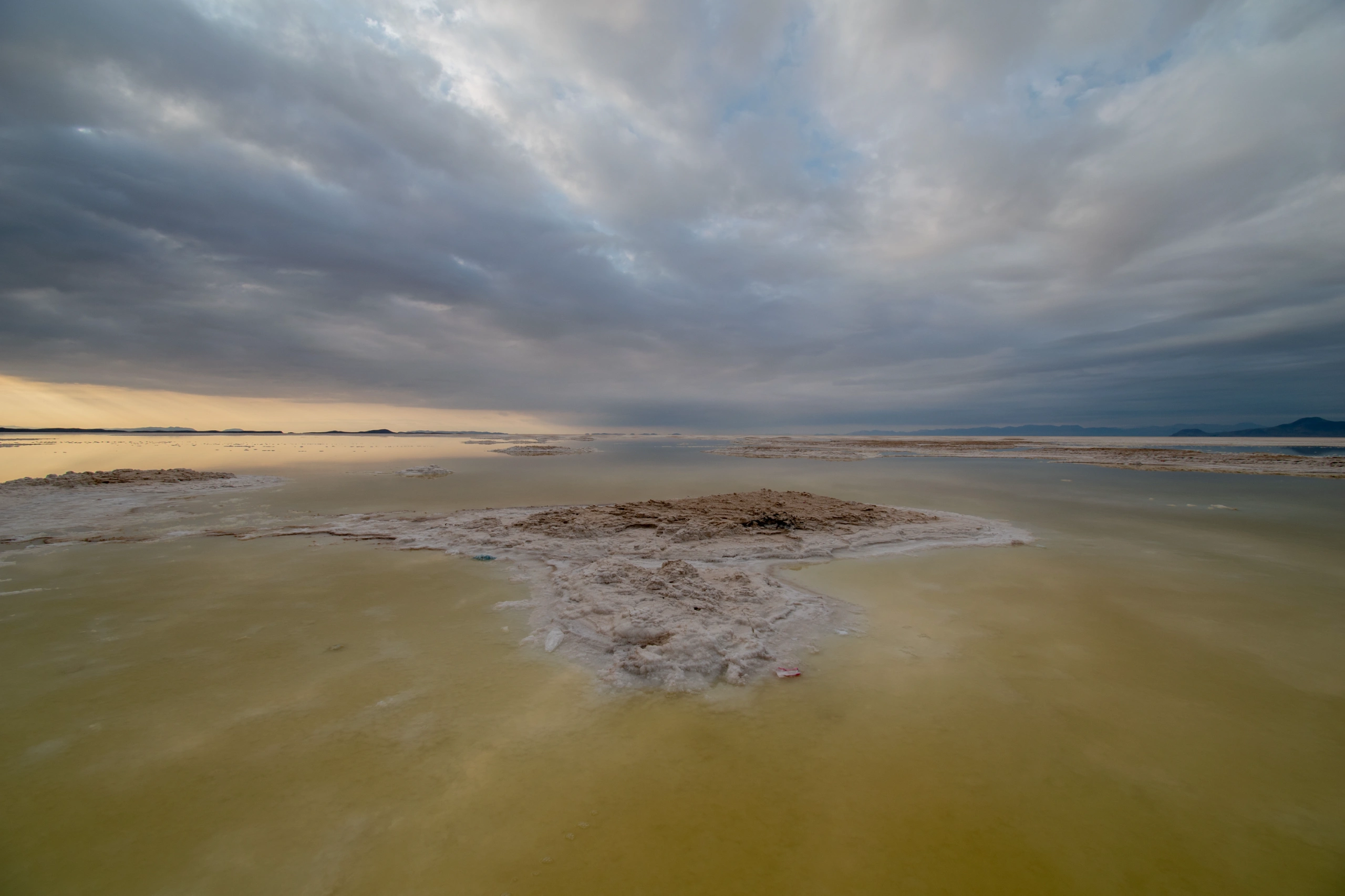
This photograph captures a wide-angle view of Lake Urmia, located in northwestern Iran. As one of the largest salt lakes in the Middle East, Lake Urmia is renowned for its striking crystalline formations, shallow saline waters, and vast ecological significance. The moody overcast sky reflects upon the surface, highlighting the unique geological features and vast expanse of this protected biosphere reserve. Photograph by Mohammad Ataei.
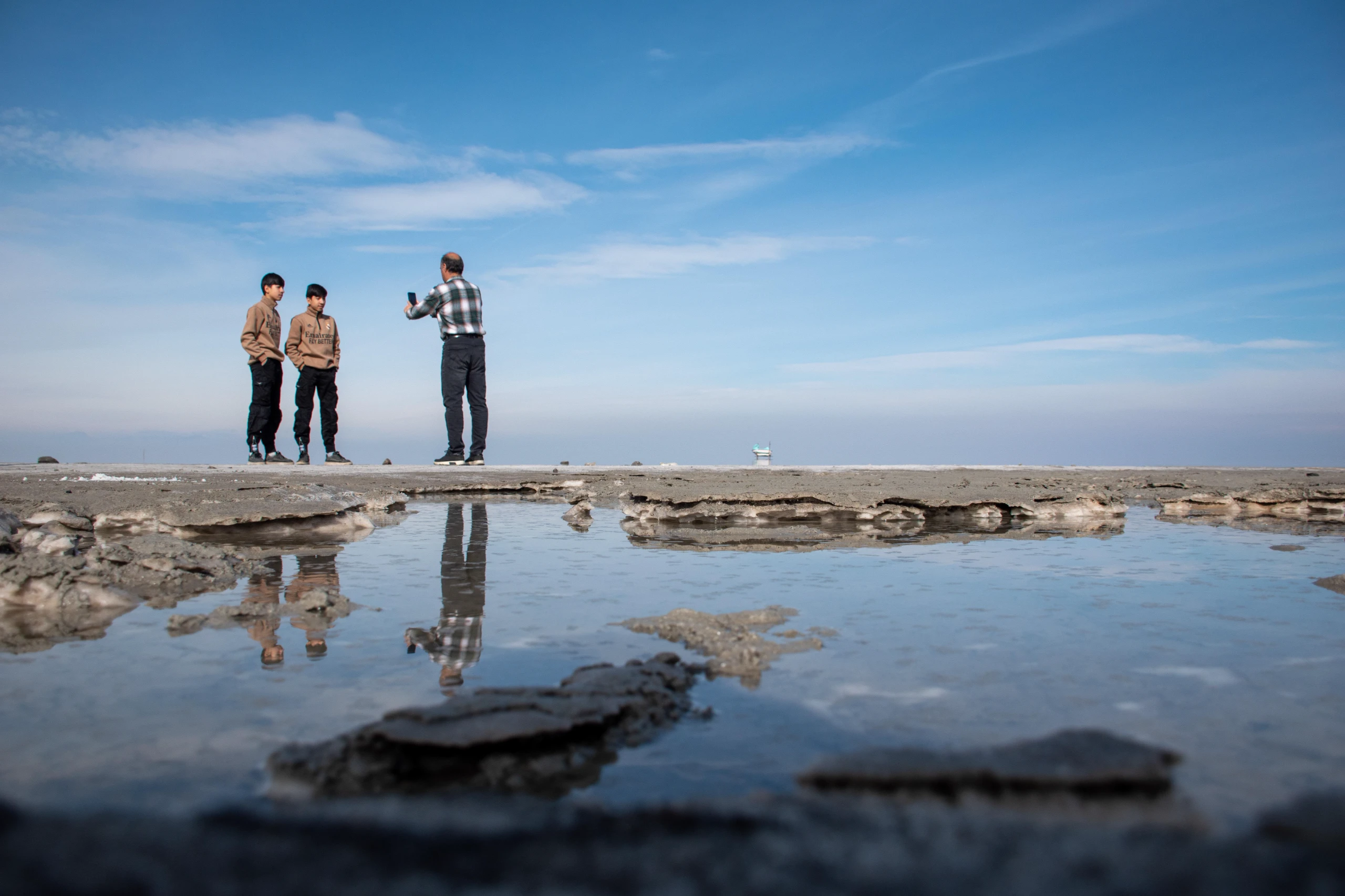
A family taking pictures at Lake Urmia, located in northwestern Iran, following spring rainfall and a subsequent rise in the lake's water level. Lake Urmia is a notable natural landmark in the region, recognized for its vast saline expanse and unique ecosystem. Visitors traveling to this area often observe the changing water levels and environmental conditions that shape the surrounding landscape. Photograph by Mohammad Ataei.
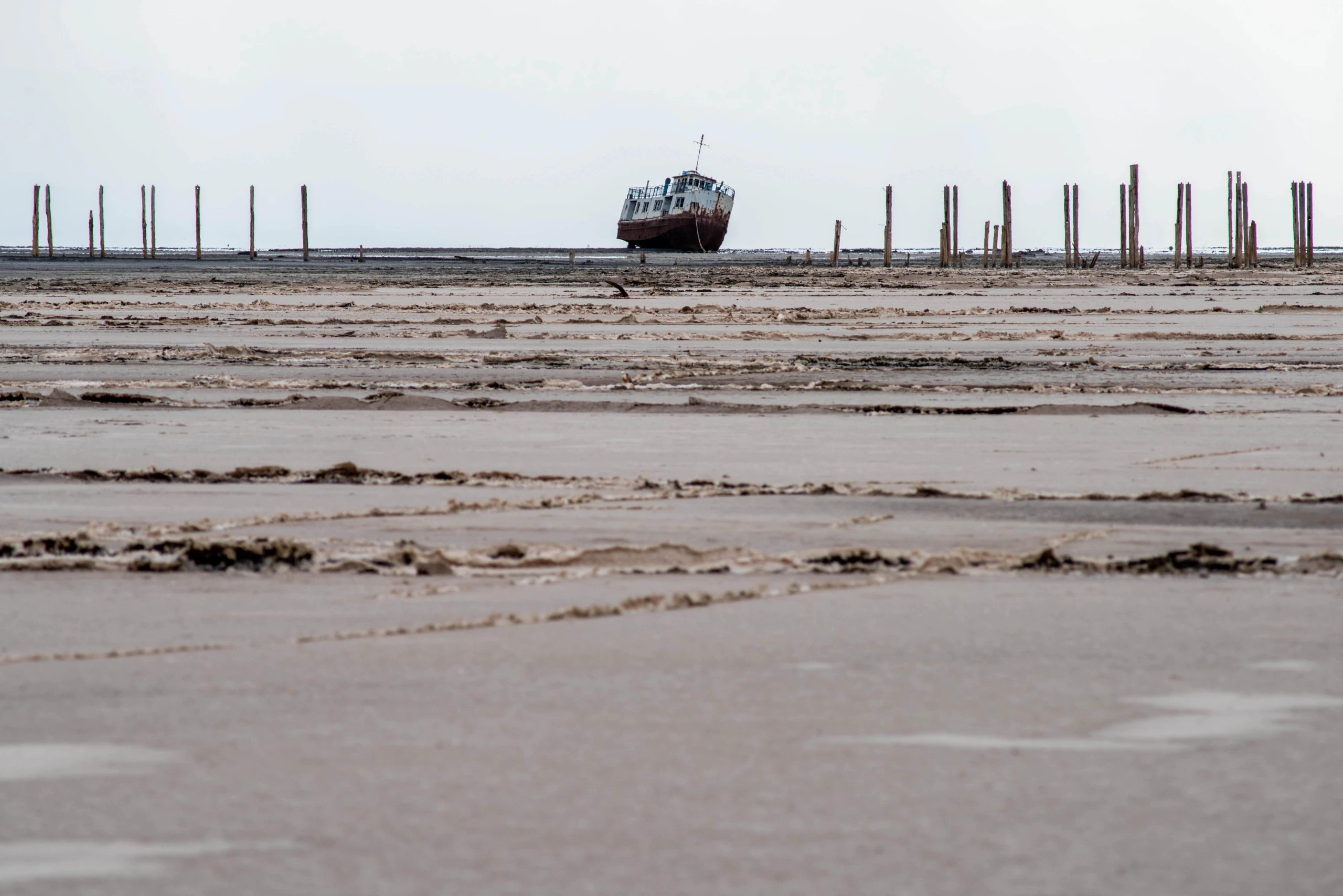
This photograph captures a shipwreck resting on the dried shoreline of Lake Urmia, located in northwestern Iran near Bandar Sharafkhaneh. Lake Urmia is one of the largest salt lakes in the Middle East and has historically been a significant ecological and tourism hub. In recent decades, severe environmental challenges and declining water levels have transformed parts of the lakebed into exposed mudflats, leaving remnants of boats and maritime structures stranded along the receding shores.
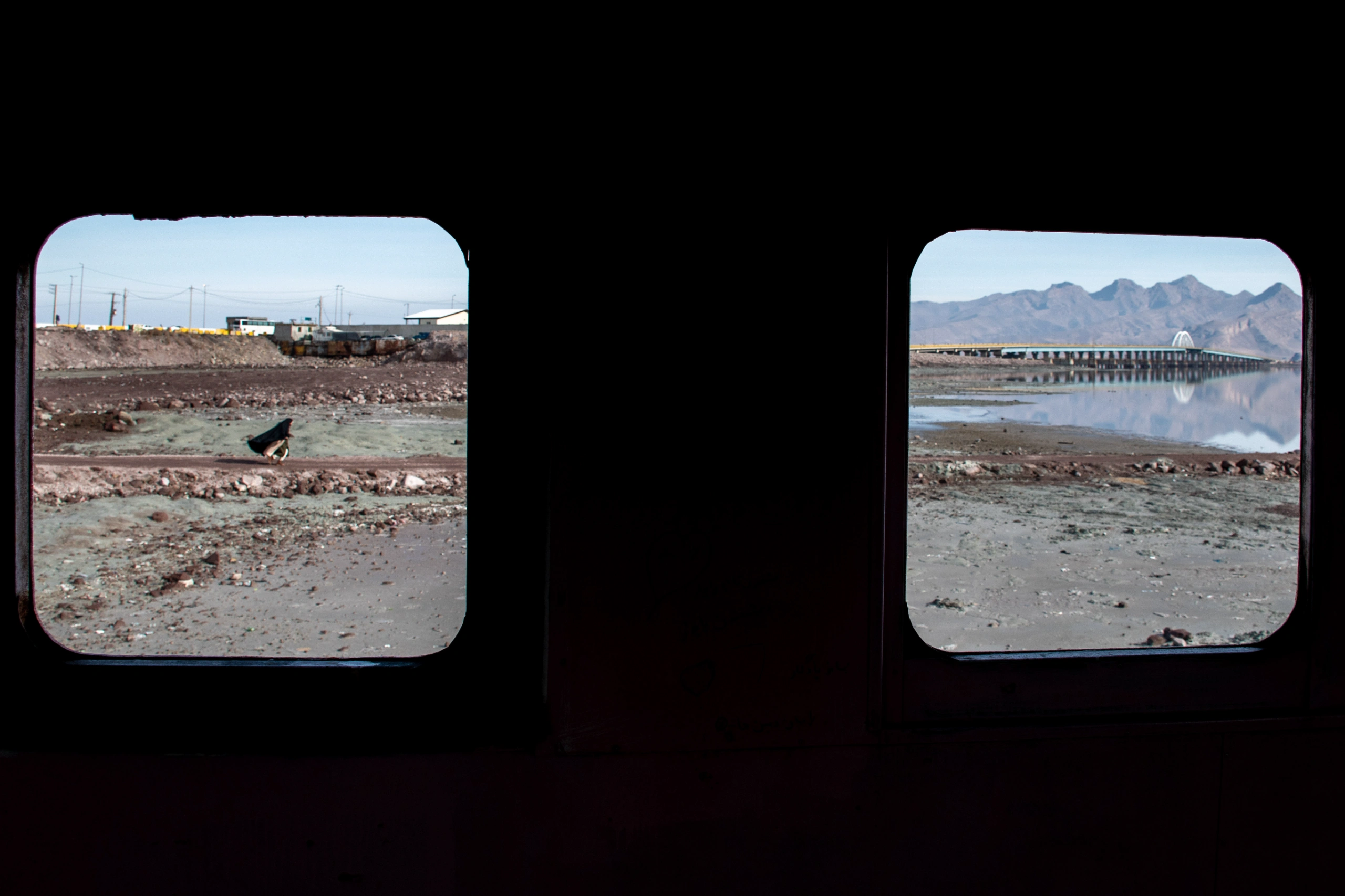
A view of Lake Urmia in northwestern Iran, framed through the windows of a grounded pleasure boat. In the distance, the Shahid Kalantari Highway bridge spans across the water, dividing the lake into two sections. Researchers have pointed to the construction of this causeway and bridge as one of the contributing factors to the drying of the lake. Lake Urmia is a major natural landmark known for its unique ecosystem and dramatic landscape.
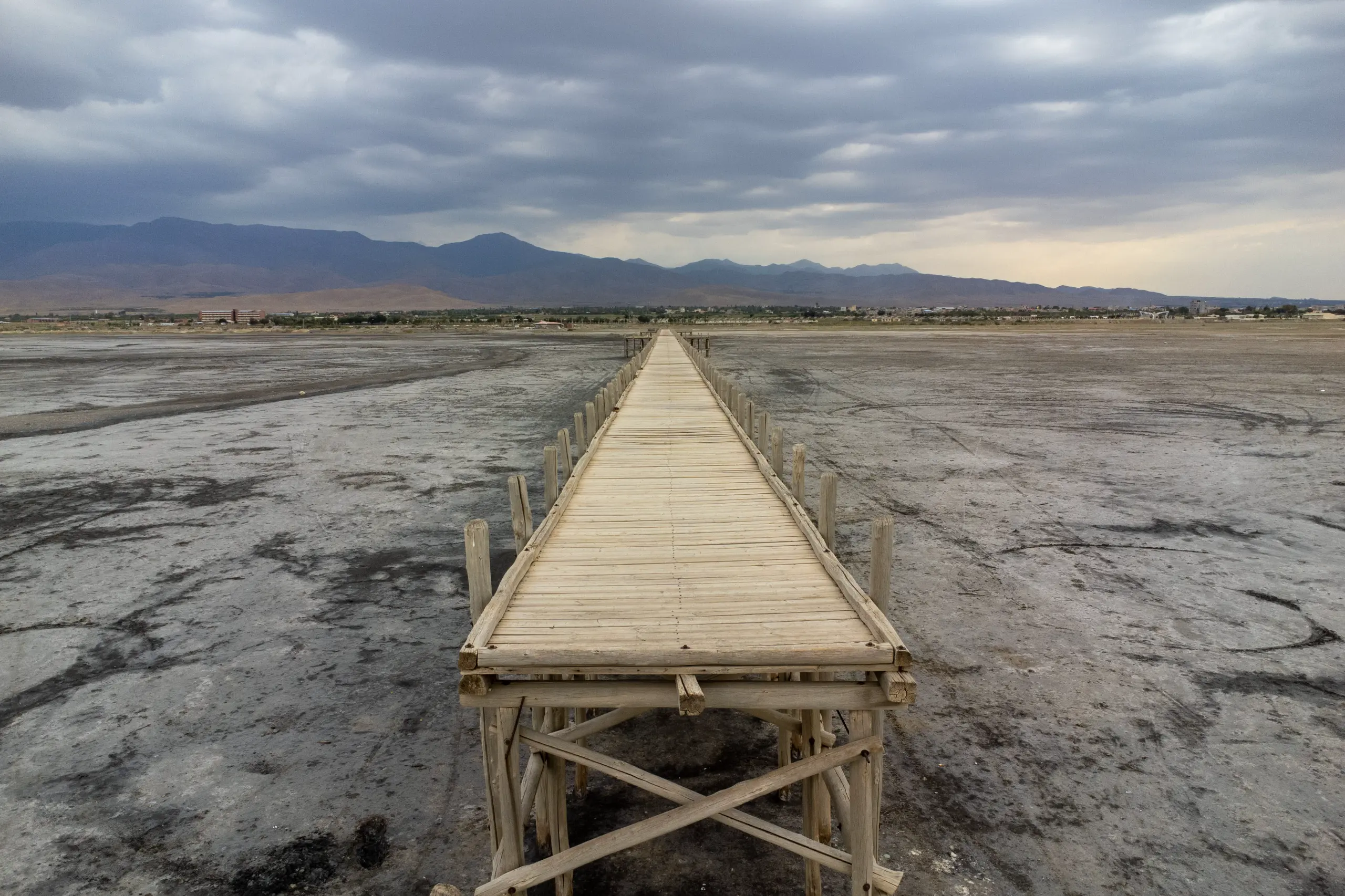
This photograph depicts the former wooden pier of Sharafkhaneh Port on the receding shores of Lake Urmia in northwestern Iran. Lake Urmia, once one of the largest hypersaline lakes in the Middle East, is renowned for its unique ecological significance and striking landscapes. The historic port of Sharafkhaneh served as an important hub for navigation and tourism along the lake, offering visitors scenic views and a glimpse into the region's rich cultural and natural heritage.
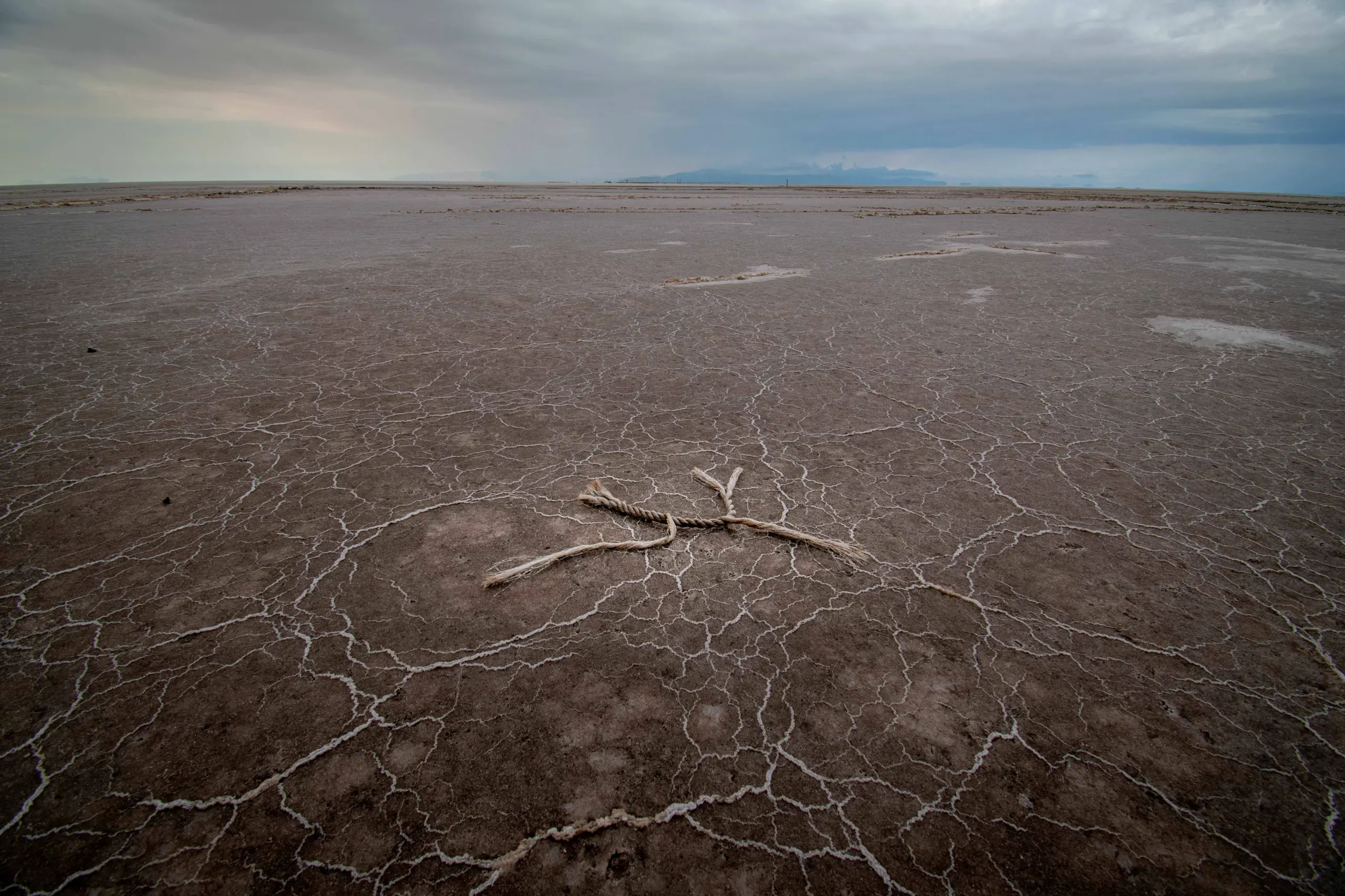
This photograph captures a desolate scene on the dry, cracked bed of Lake Urmia, located in northwestern Iran, along the route toward the Artemis ship location. Once one of the largest hypersaline lakes in the Middle East, Lake Urmia has faced severe drying in recent years, leaving behind vast salt flats and striking mud polygons. This stark landscape reflects environmental challenges while offering a hauntingly unique perspective for travelers exploring the region's natural geography.
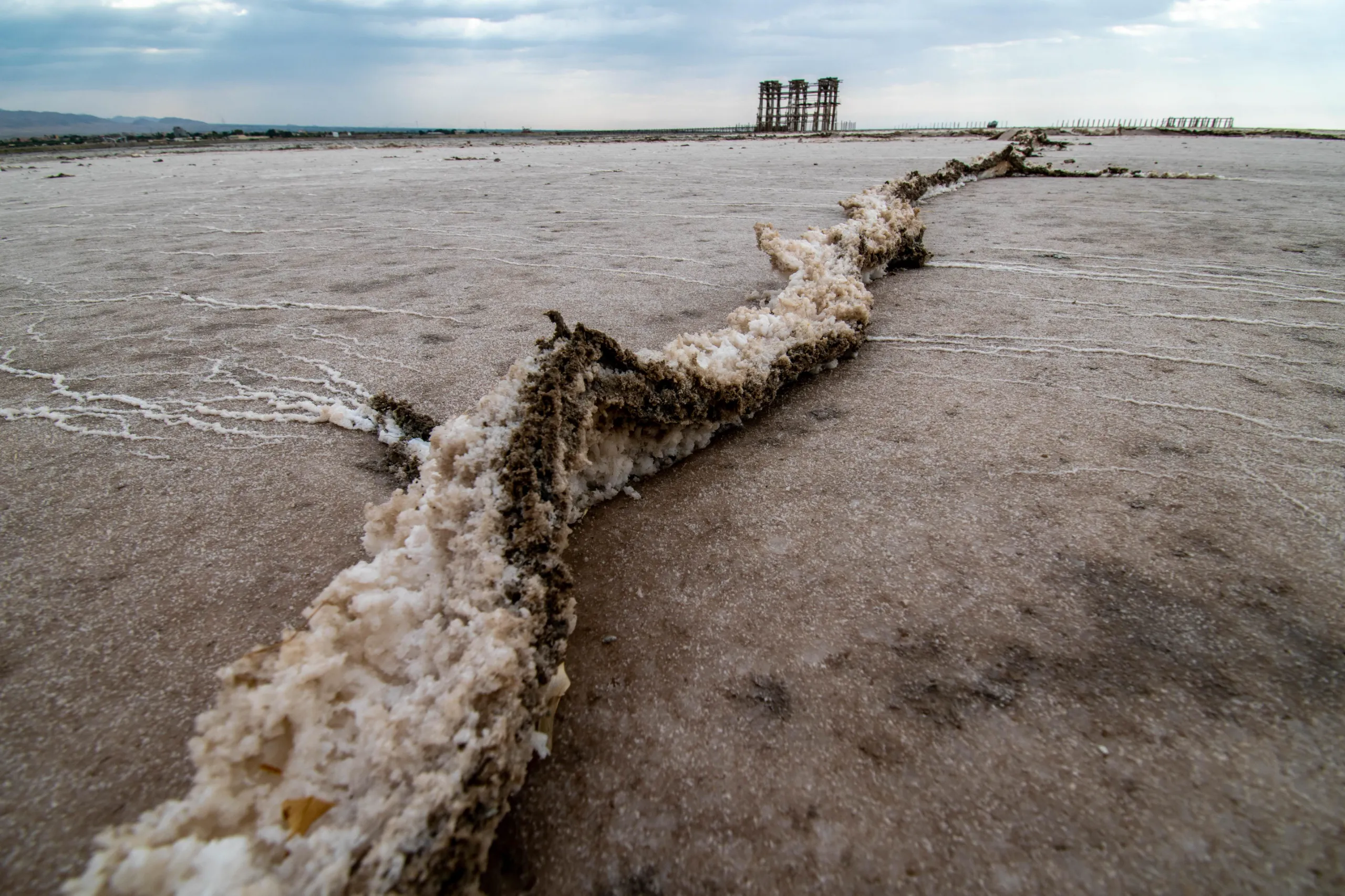
This photograph captures crystallized salt formations on the dried bed of Lake Urmia, located in northwestern Iran. Once the largest lake in the Middle East, Lake Urmia has faced severe ecological challenges and receding waters, leaving behind vast expanses of saline crusts and unique geological patterns. In the distance, structures along the route toward the Artemis ship can be seen, highlighting the dramatic environmental changes in this globally significant biosphere reserve.
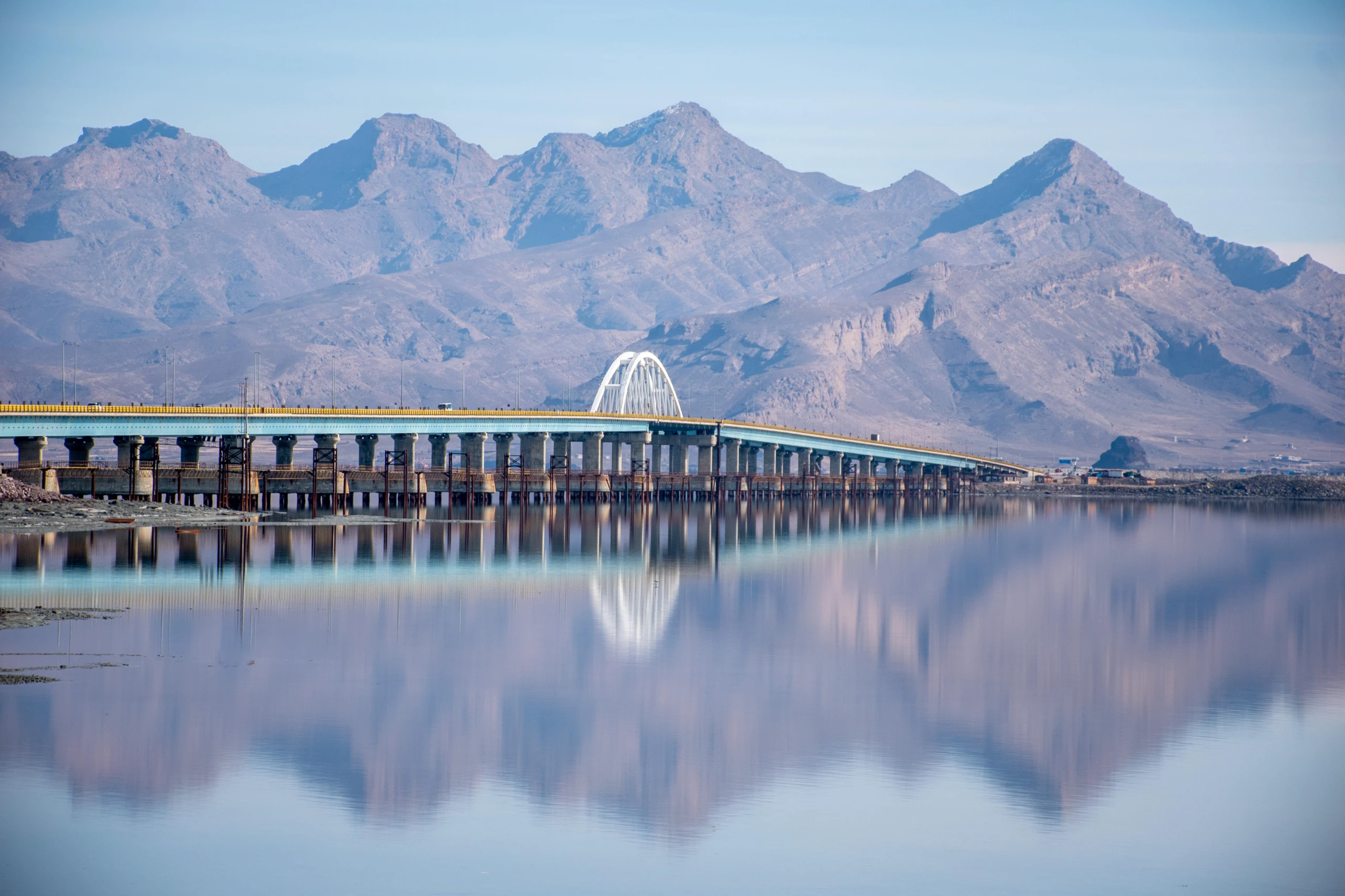
This photograph captures the Shahid Kalantari Bridge spanning Lake Urmia in northwestern Iran. The bridge divides the lake into two sections, a construction that researchers suggest has contributed to the drying process of the lake. Lake Urmia is a major geographical landmark in Iran, known historically for its high salinity and unique ecosystem.
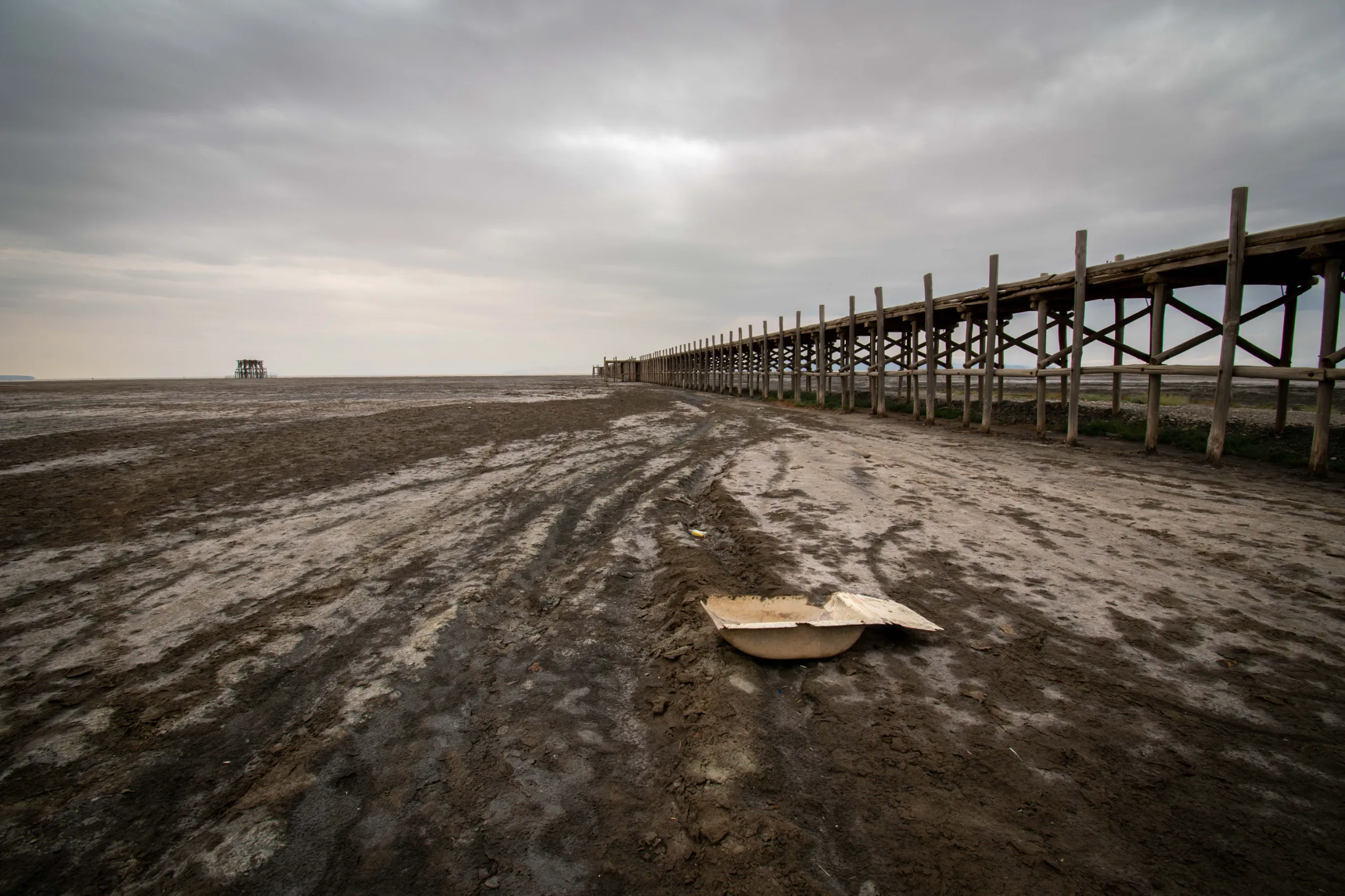
This photograph depicts the Sharafkhaneh Pier along the shoreline of Lake Urmia, located in northwestern Iran. Once a bustling hub for tourism, shipping, and recreation, the area reflects the profound environmental and ecological changes the lake has faced due to severe drying and receding waters. Visitors to the region can observe the vast expanse of exposed muddy lakebeds and historic wooden infrastructure standing stranded above the retreating waterline.
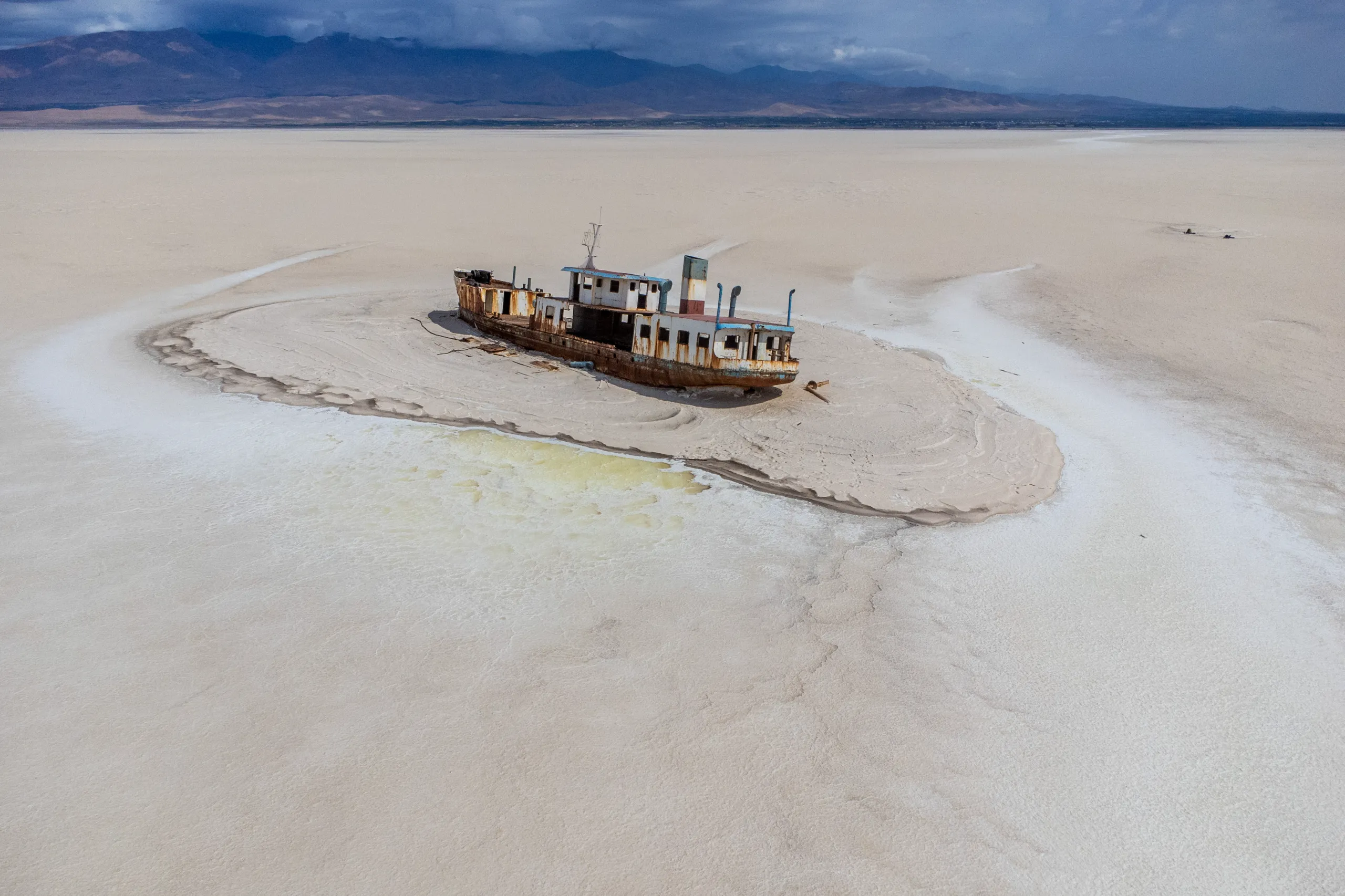
An aerial view of the rusted shipwreck of Artemis stranded on the dry, salt-crusted bed of Lake Urmia in northwestern Iran. Once the largest lake in the Middle East, Lake Urmia has faced severe drying in recent years, leaving striking relics like this abandoned vessel stranded amidst vast white salt flats under a cloudy sky.
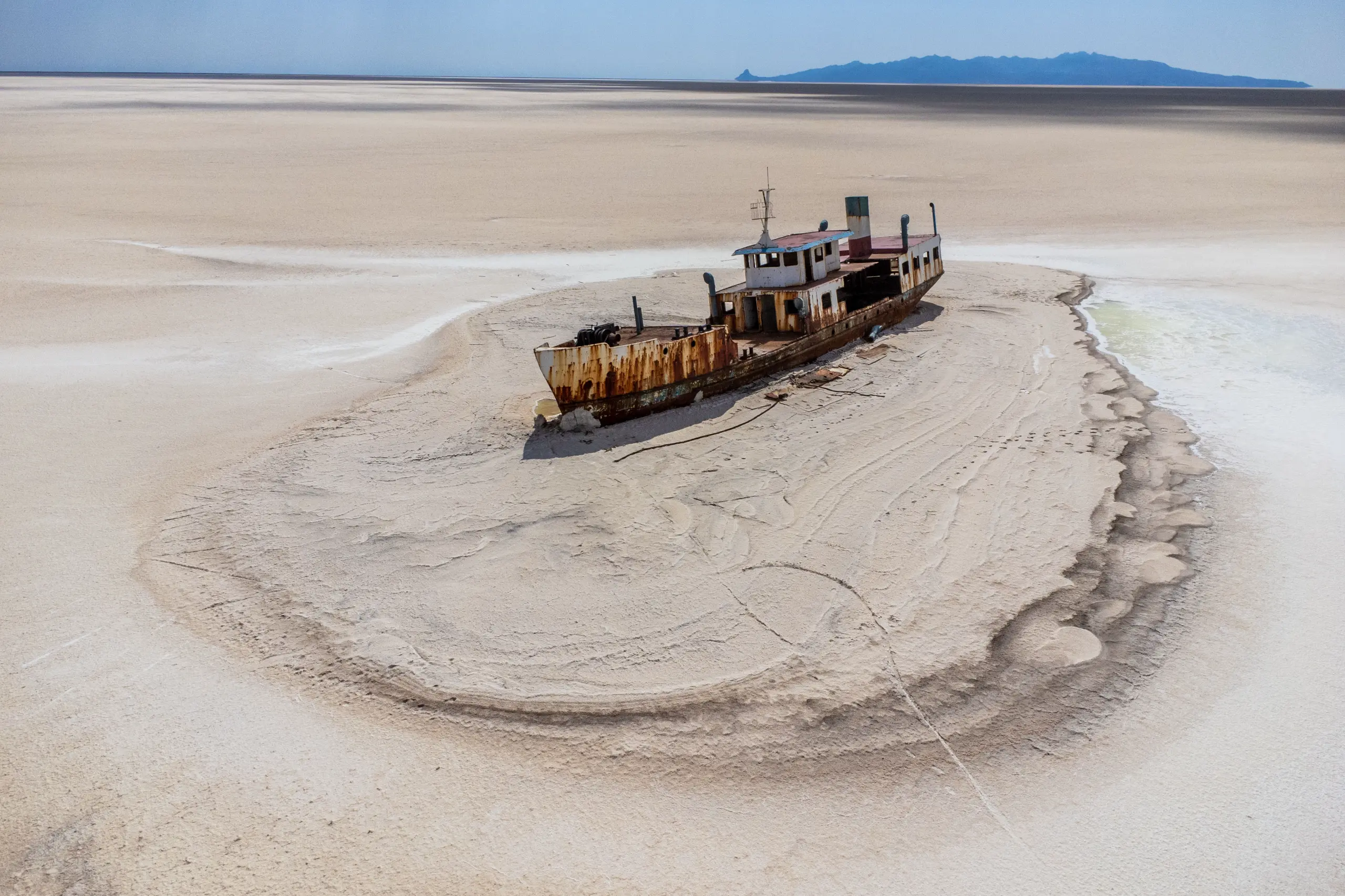
An aerial view of the rusted shipwreck of the Artemis resting on the dry, saline flats of Lake Urmia in northwestern Iran. Once a vital body of water and the largest lake in the Middle East, Lake Urmia has faced severe desiccation and ecological challenges, leaving remnants like this abandoned vessel stranded amidst vast expanses of salt and mud. This striking landscape highlights the dramatic environmental changes and declining water levels in the region.
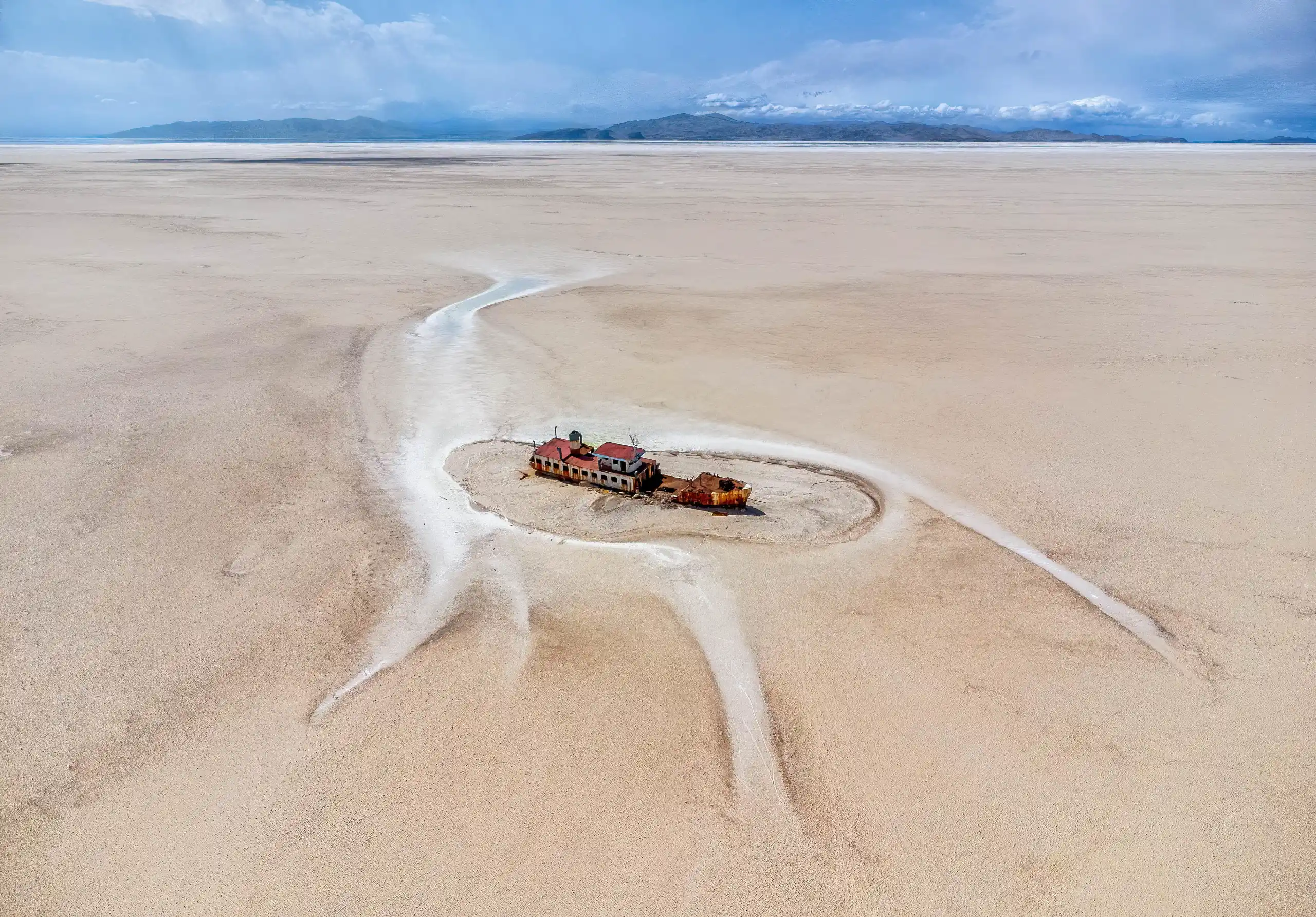
An aerial photograph capturing the stranded and rusted shipwreck of the Artemis boat resting on the dried, salt-encrusted bed of Lake Urmia in northwestern Iran. Once a vibrant body of water, the receding lakebed has left this vessel marooned in vast expanses of salt flats. Lake Urmia is a significant ecological and geographical landmark in Iran, and views of its dramatic drying landscape attract nature enthusiasts and documentary travelers alike. Photograph by Mohammad Ataei.
This documentary photograph captures the rusted wreck of the Artemis ship resting on the dried salt bed of Lake Urmia, located in northwestern Iran. Once a vital ecological hub and one of the largest salt lakes in the Middle East, Lake Urmia has faced severe desiccation challenges in recent years, leaving striking remnants like abandoned vessels stranded across its expansive crystalline flats under a cloudy sky.
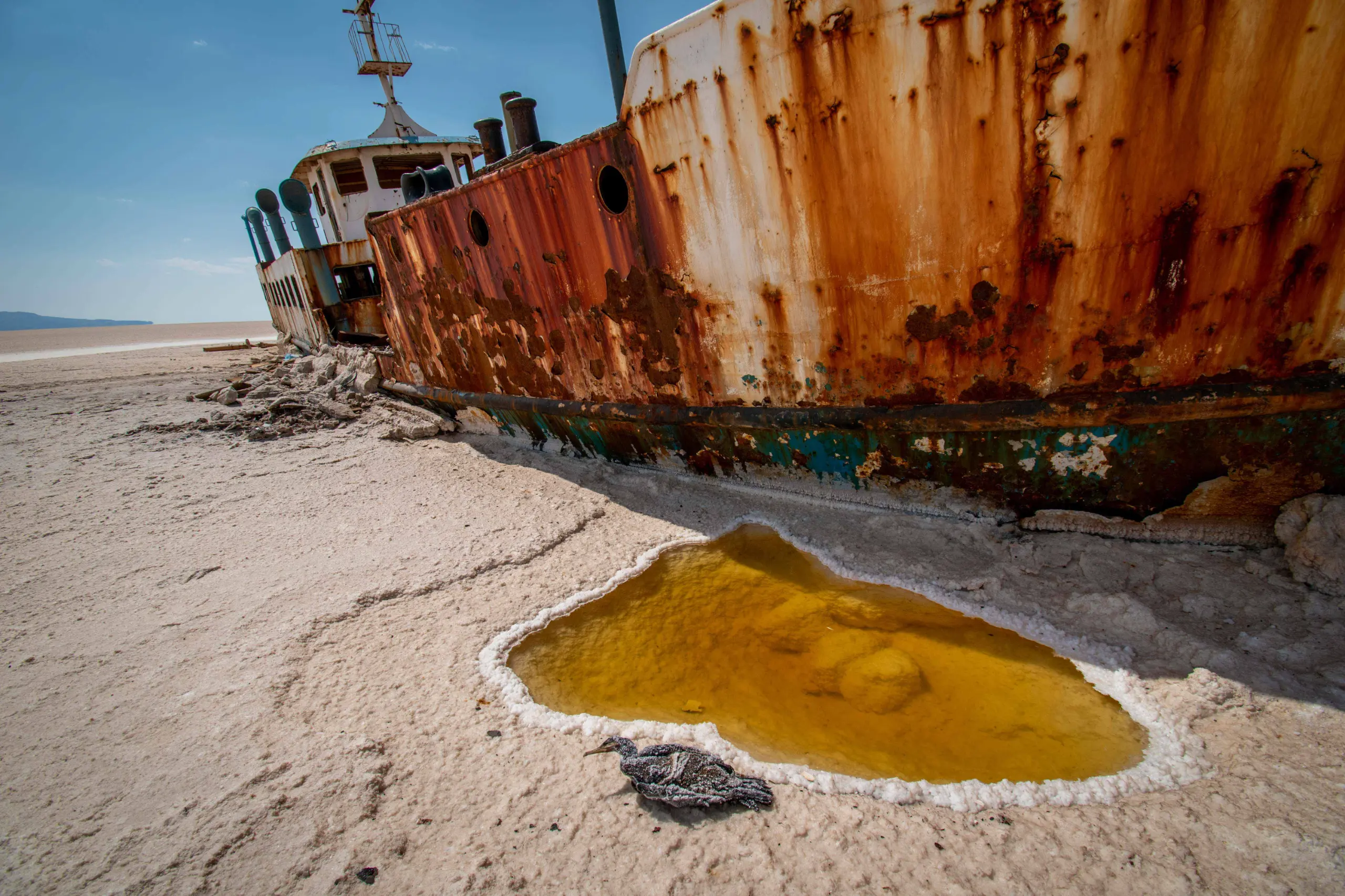
A wide-angle documentary photograph capturing the rusted hulk of the Artemis shipwreck resting on the dried, salt-crusted shores of Lake Urmia in northwestern Iran. A pool of highly saline water and the remains of a migratory bird lie near the vessel, reflecting the severe environmental challenges and receding waters of this once-vast hyper-saline lake. Lake Urmia is a major ecological site in Iran, historically known for its unique biodiversity and striking natural landscapes.
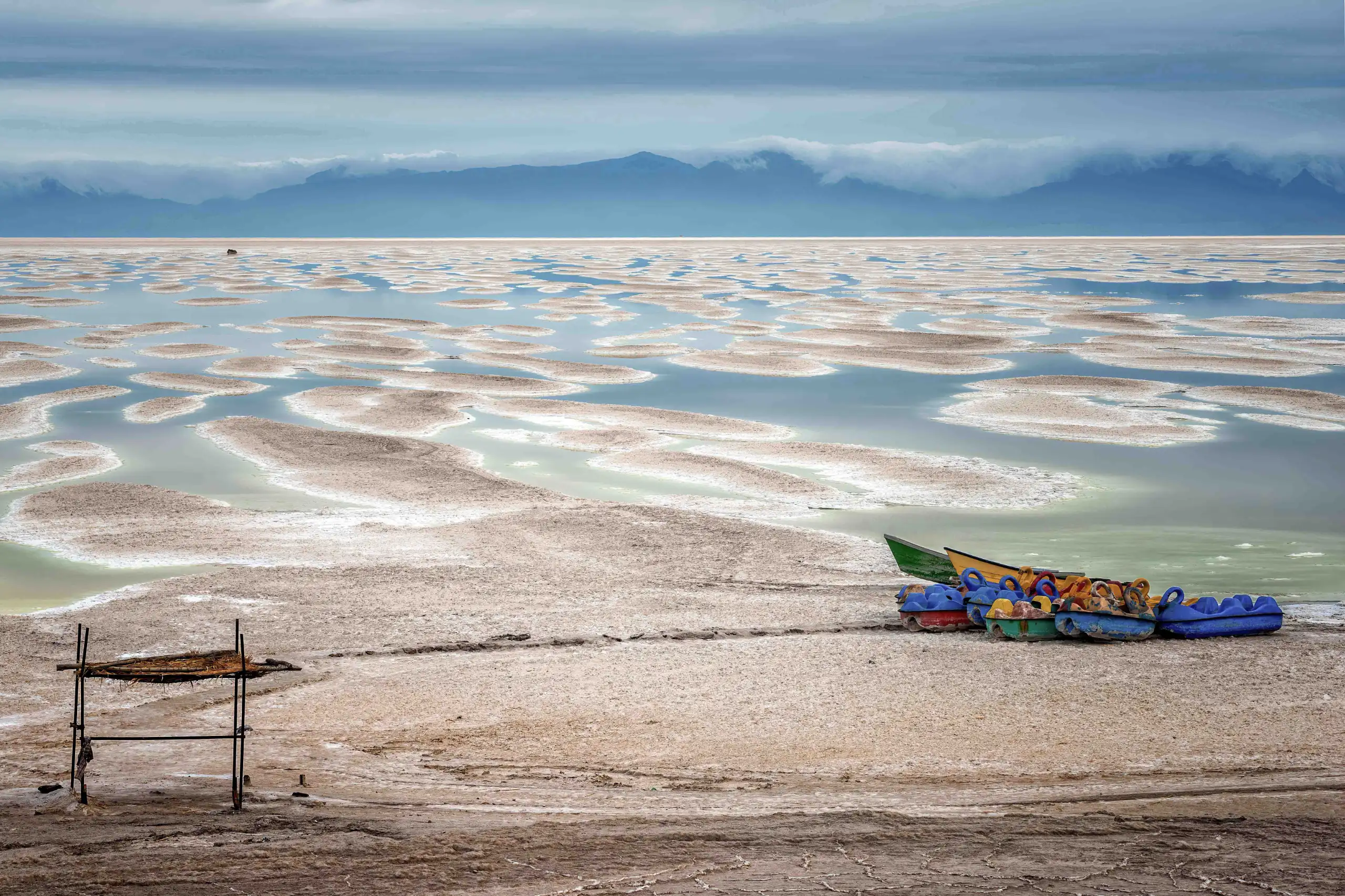
This photograph captures the shoreline of Lake Urmia, located in northwestern Iran near the Shahid Kalantari Bridge. Known as one of the largest salt lakes in the Middle East, Lake Urmia features vast salt formations, shallow waters, and surrounding mountain ranges under an overcast sky. Colorful boats rest on the saline shore, highlighting the unique landscape and environmental characteristics of this notable geographical site for travelers.
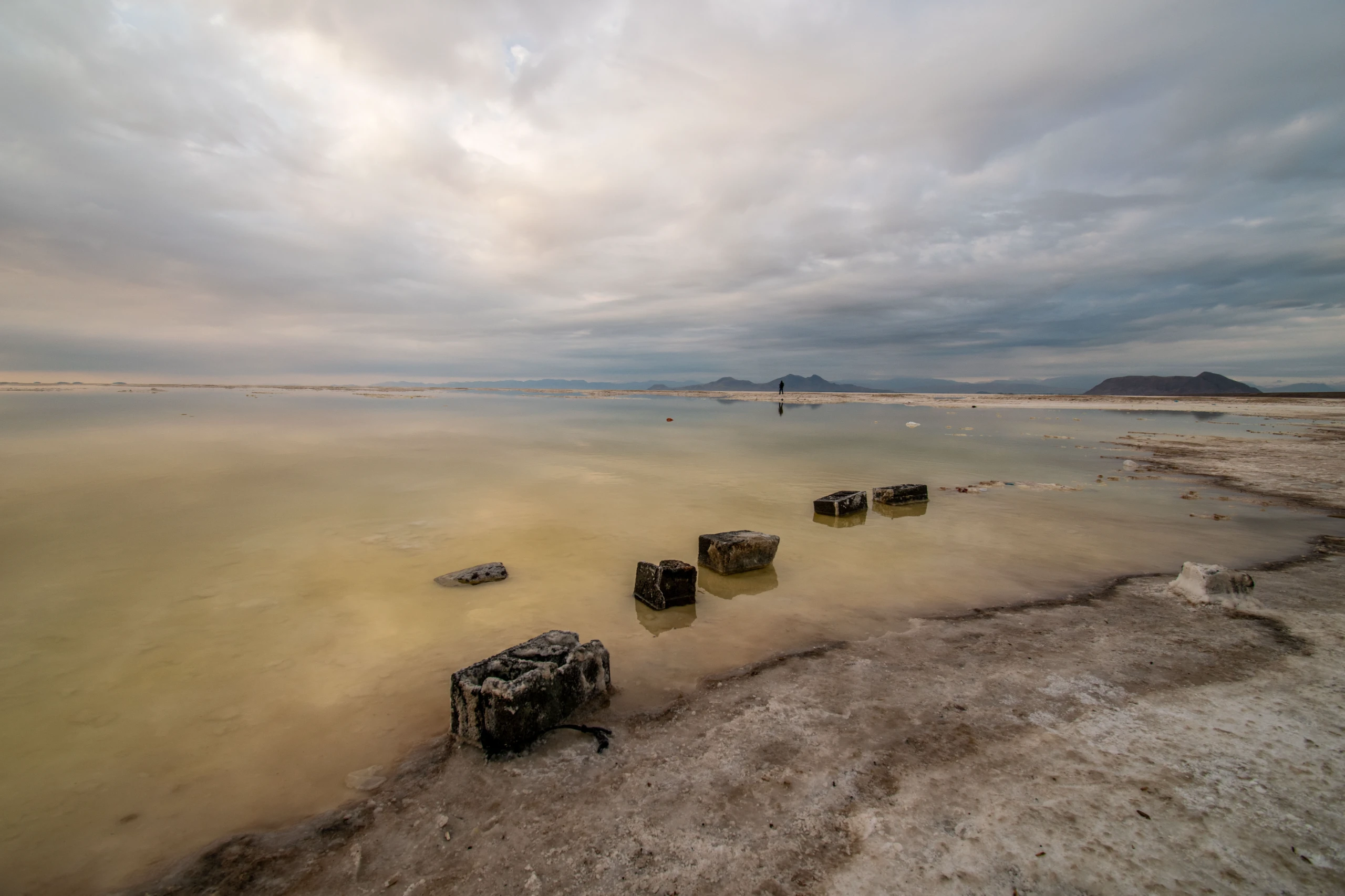
A wide-angle documentary photograph captures the serene and expansive shore of Lake Urmia, located in northwestern Iran. The image highlights the shallow, mineral-rich waters and salt-crusted shoreline under a dramatic, overcast sky. Lake Urmia is one of the largest hypersaline lakes in the world, known for its unique ecological significance, striking seasonal color changes, and surrounding mountain landscapes, making it a notable destination for travelers interested in nature and geography.
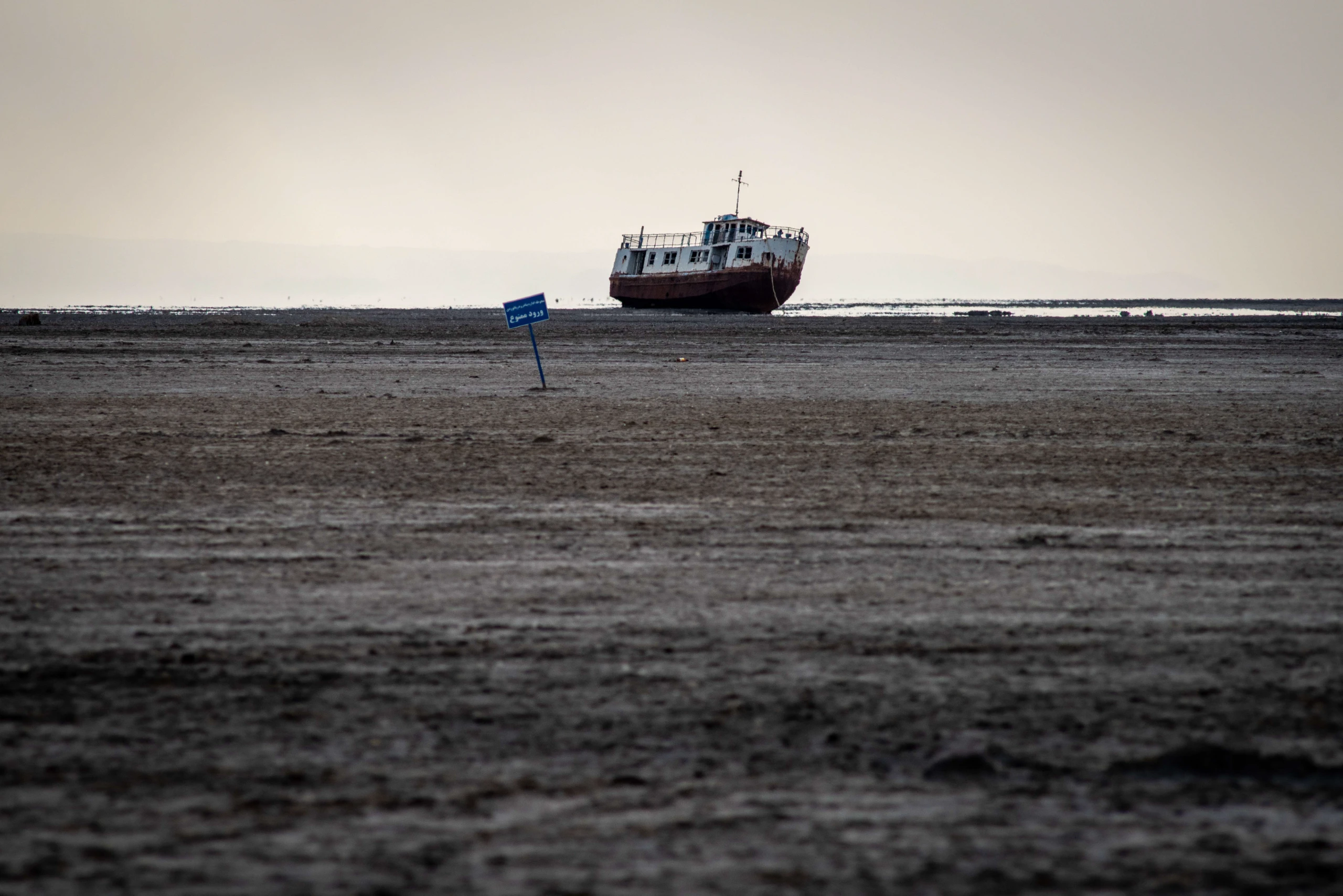
An abandoned ship stranded on the dried-up bed of Lake Urmia in northwestern Iran. Located near Sharafkhaneh Port, this once-thriving body of water has experienced severe environmental changes and receding shorelines. For travelers and researchers, the lake highlights crucial ecological challenges regarding water management and climate impact in the region, offering a stark landscape of environmental transition.
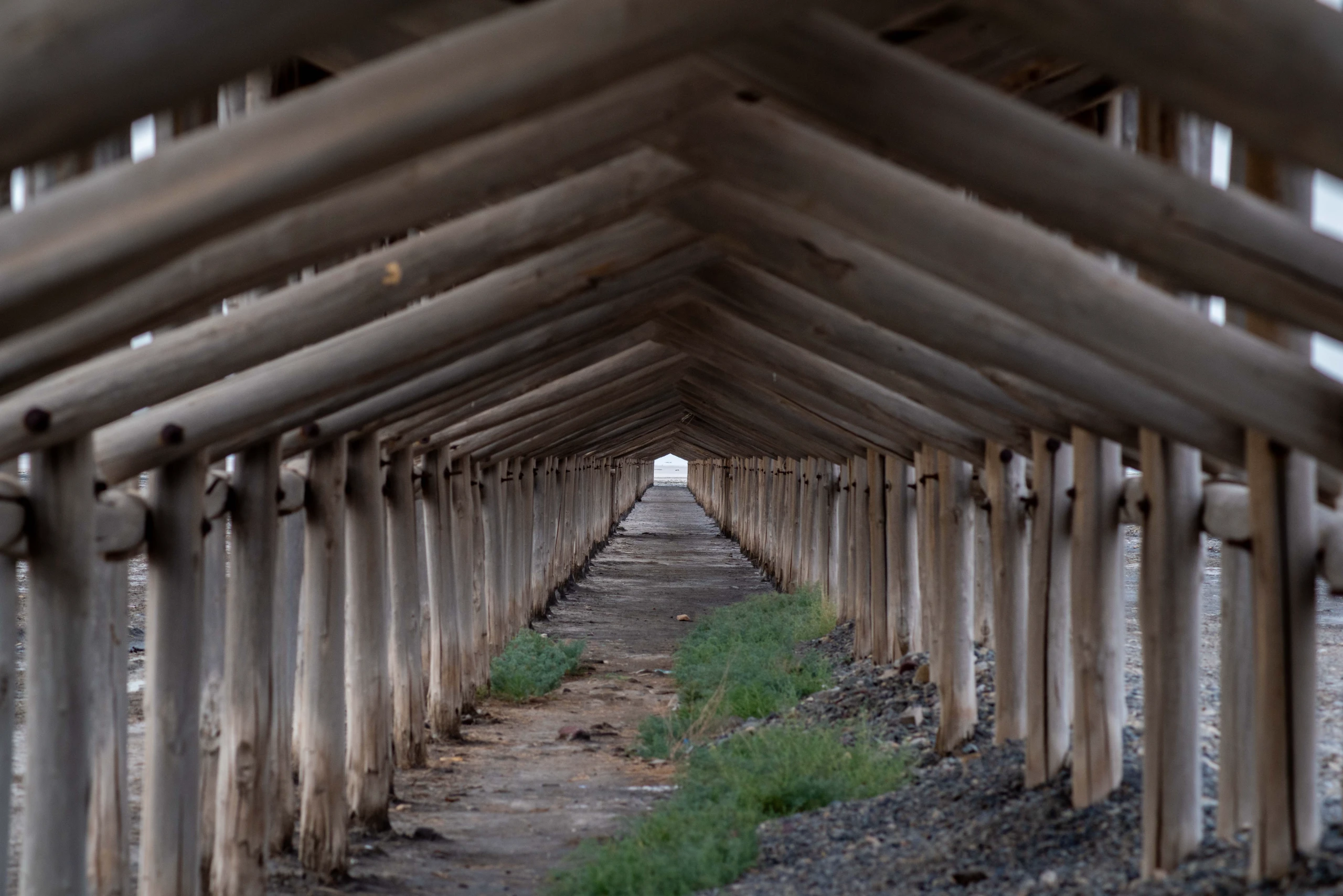
This photograph shows the wooden support structures beneath the pier at Sharafkhaneh, located on the shores of Lake Urmia in northwestern Iran. Lake Urmia is one of the largest hypersaline lakes in the world, known for its unique ecological features and striking landscape changes. Visitors to the area can observe historical port structures and experience the distinctive natural environment of this important geographical region.
ARCHIVAL FAMILY TREE & ECOSYSTEM
Hierarchical Archive Tree (Master • Sub-Archive • Work)
IRAN
A Visual Journey Through Iran
Isfahan Province
Hamedan Province

East Azerbaijan Province
Sistan and Baluchestan Province
Golestan Province