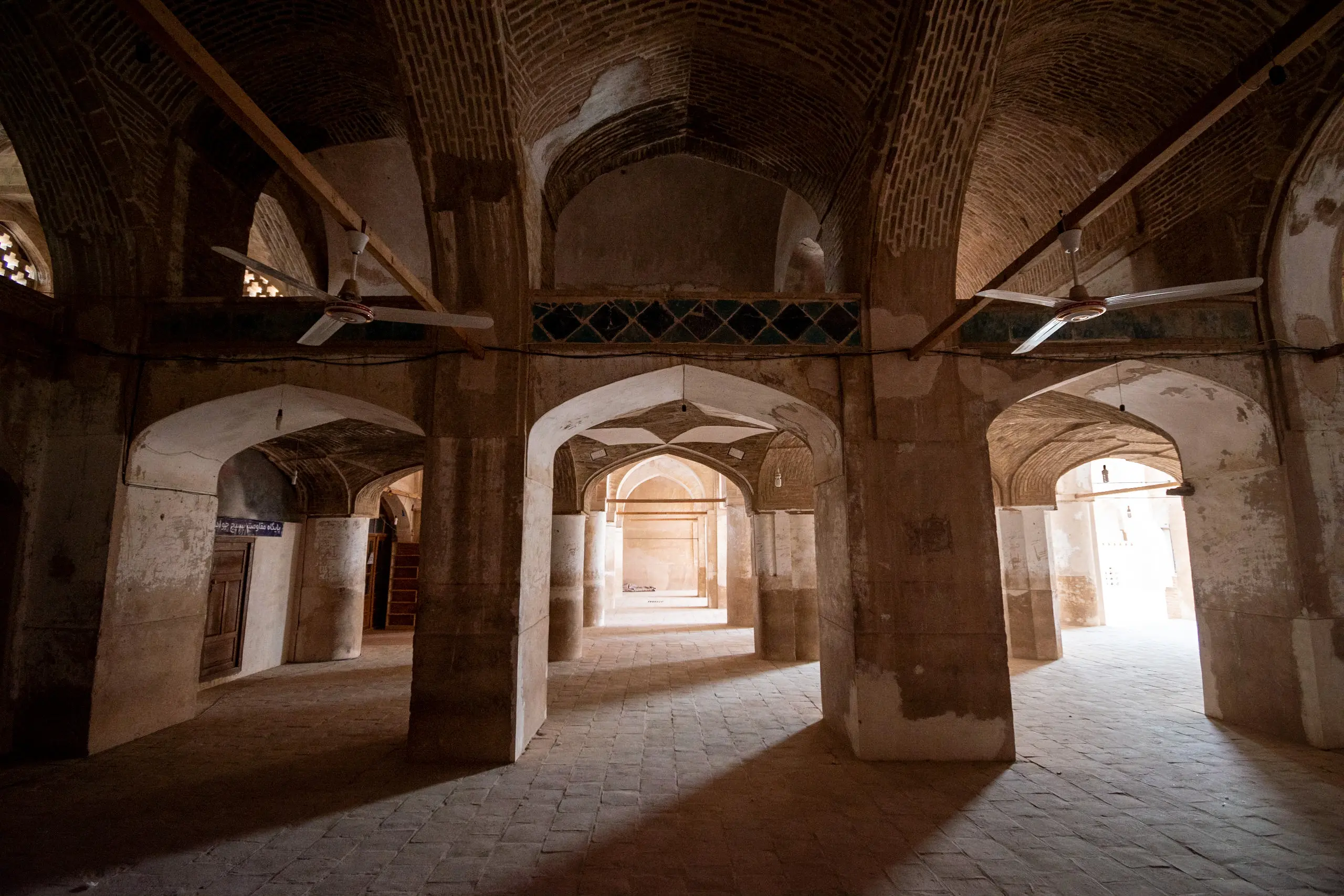
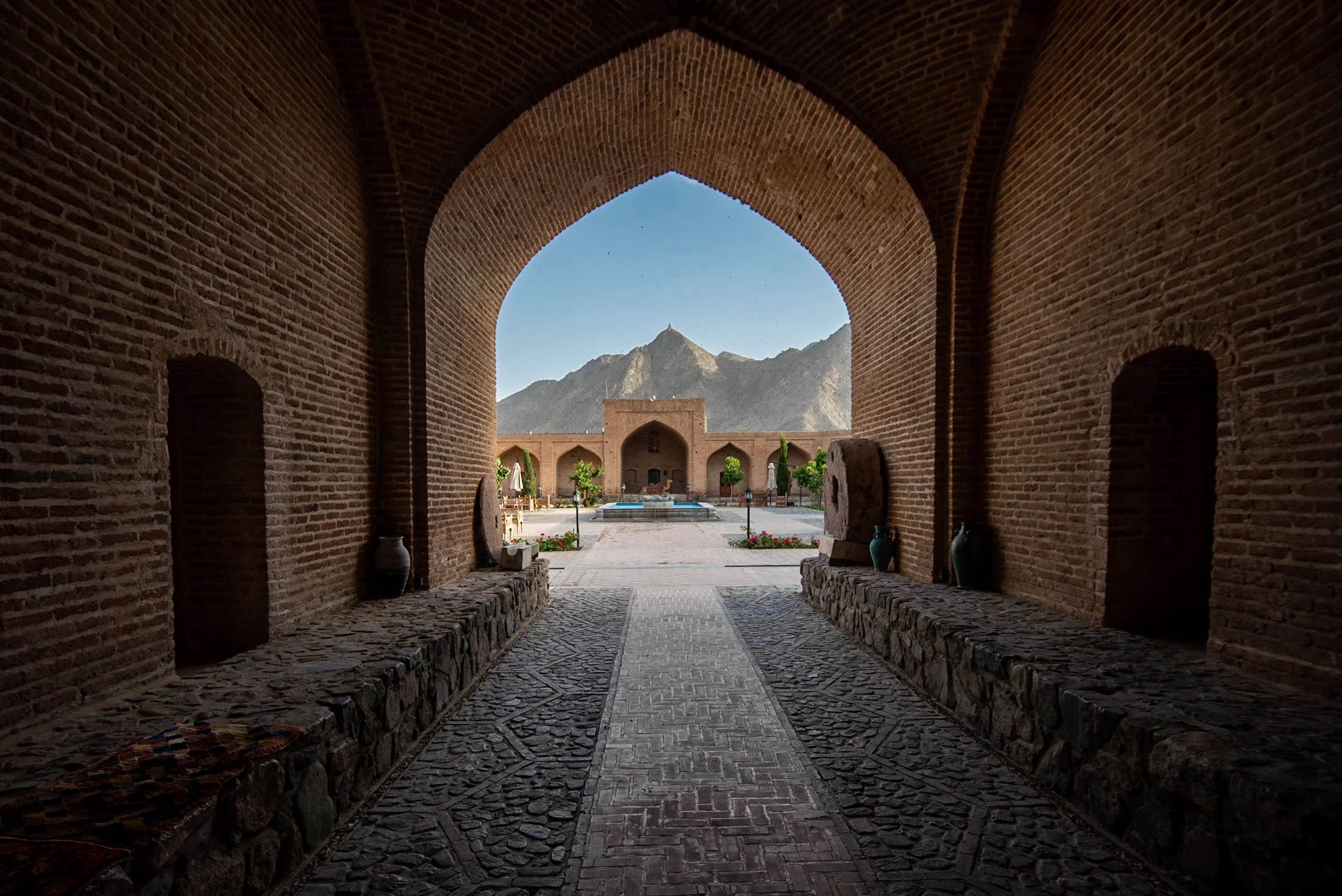
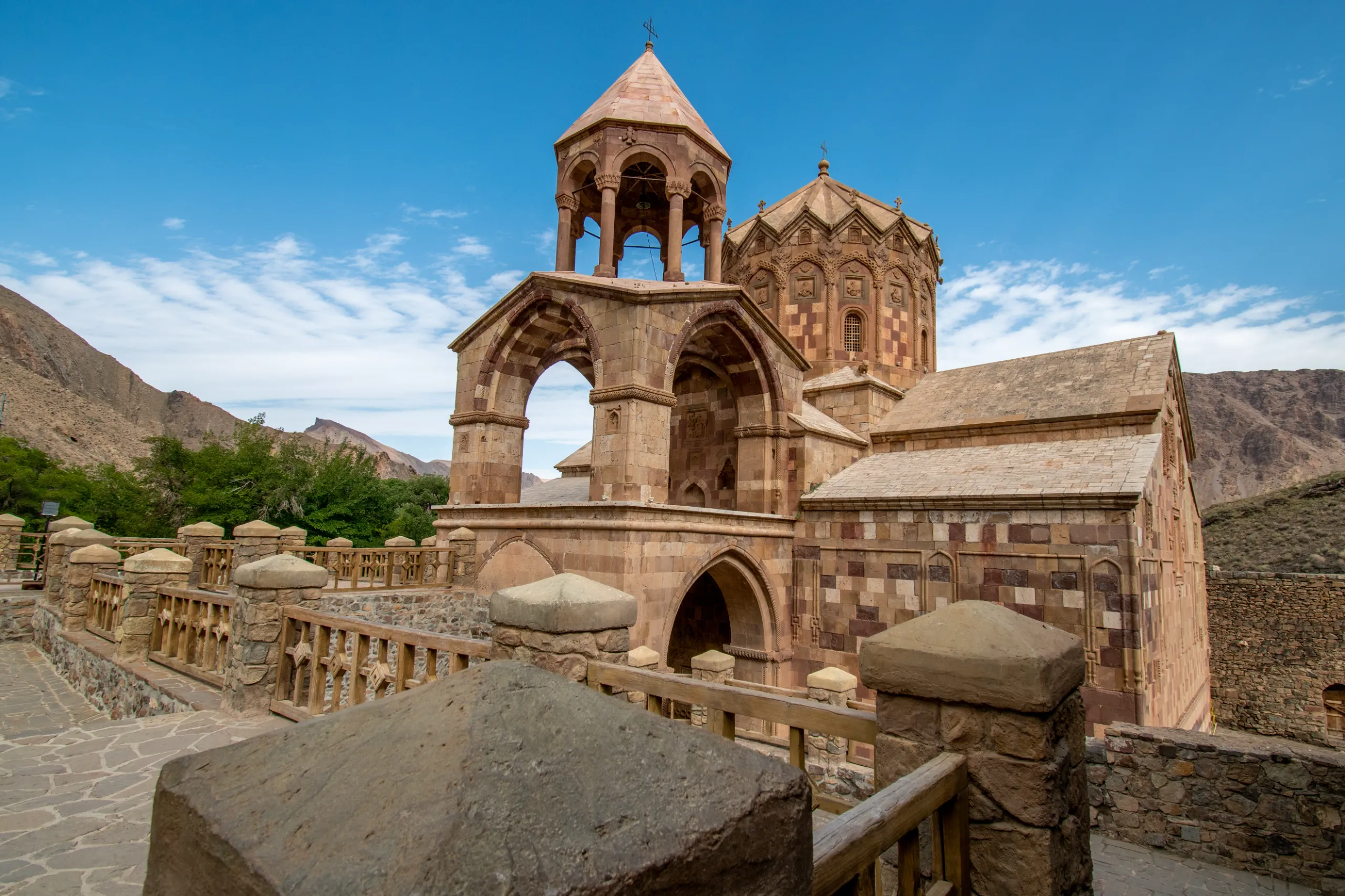
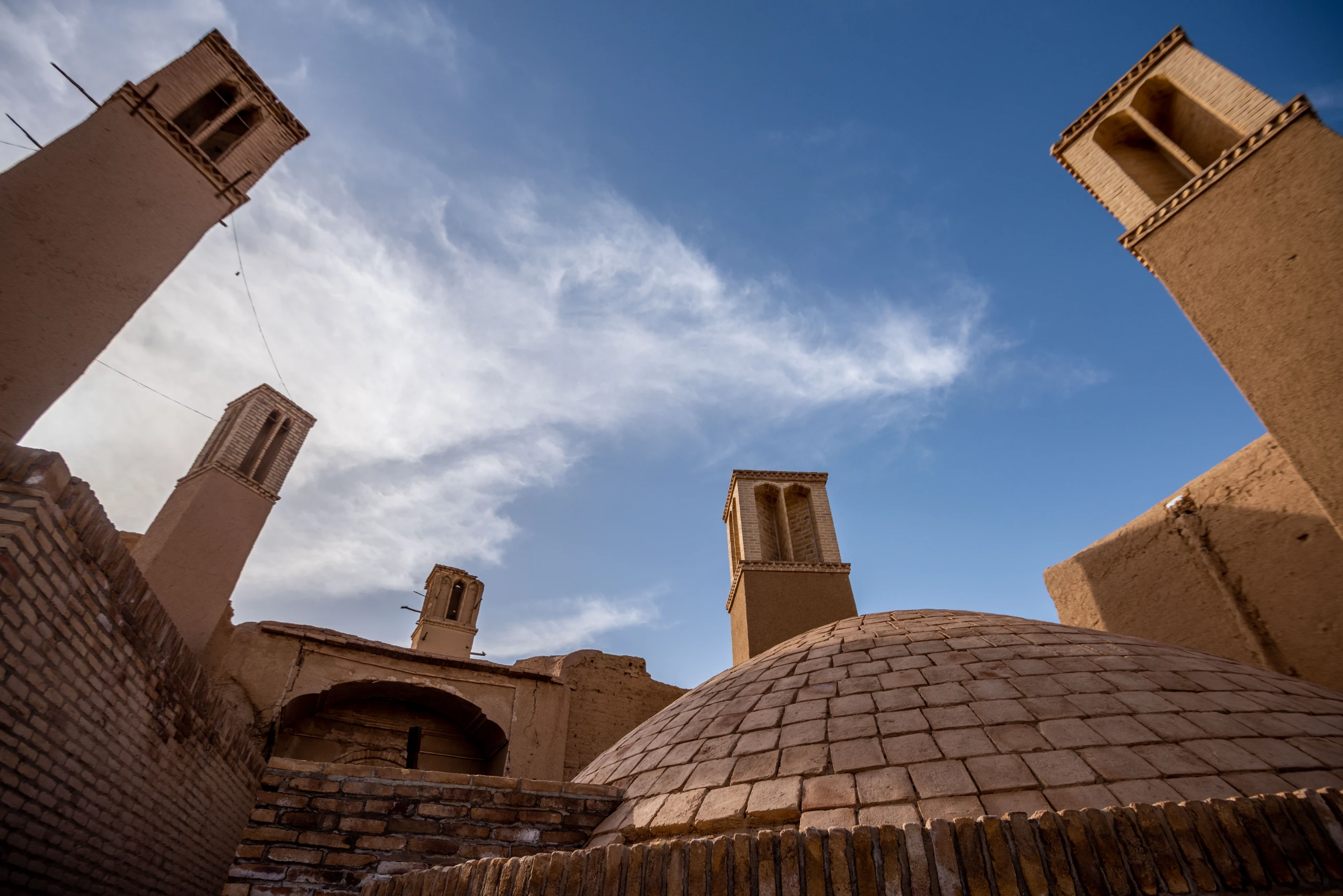
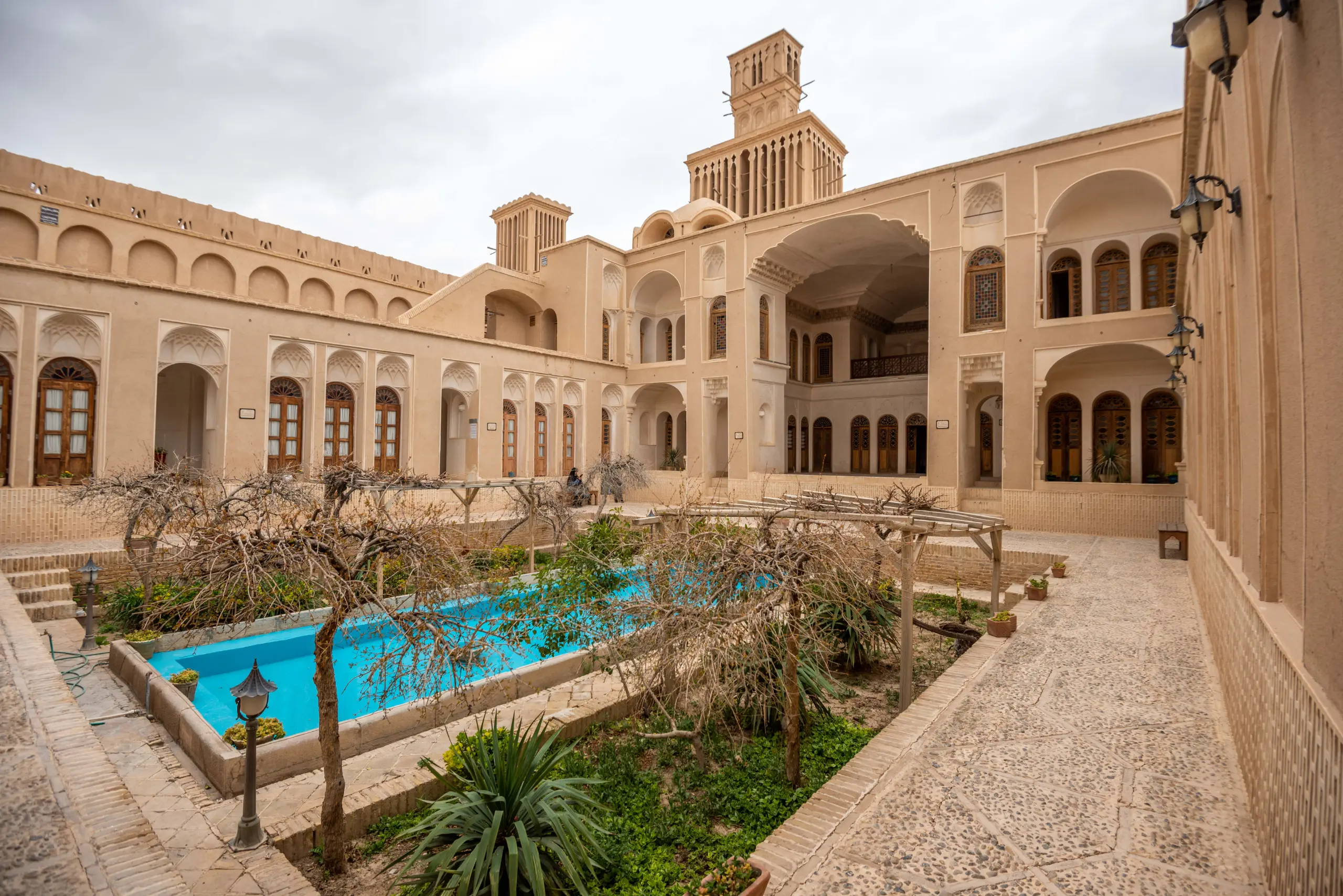
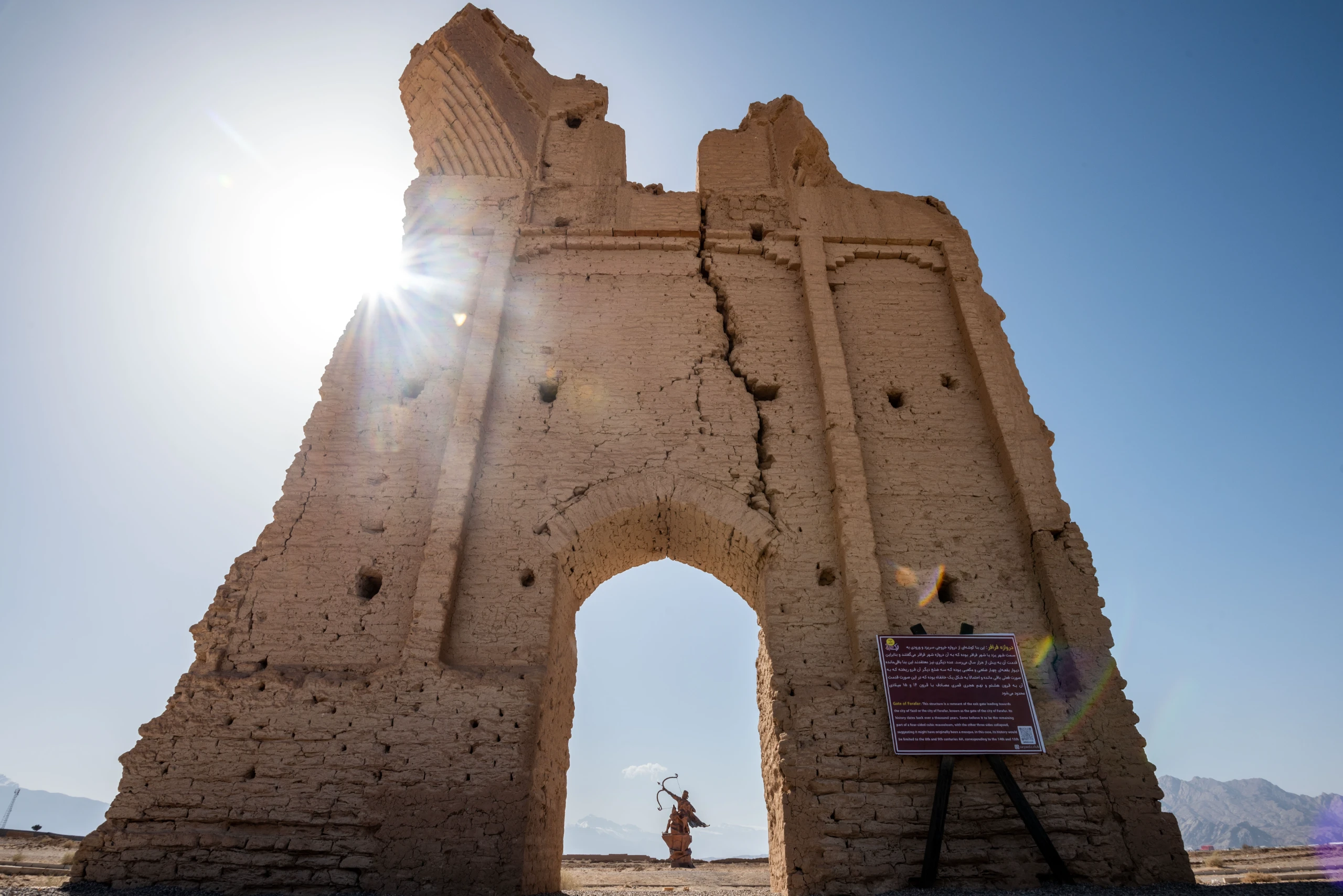
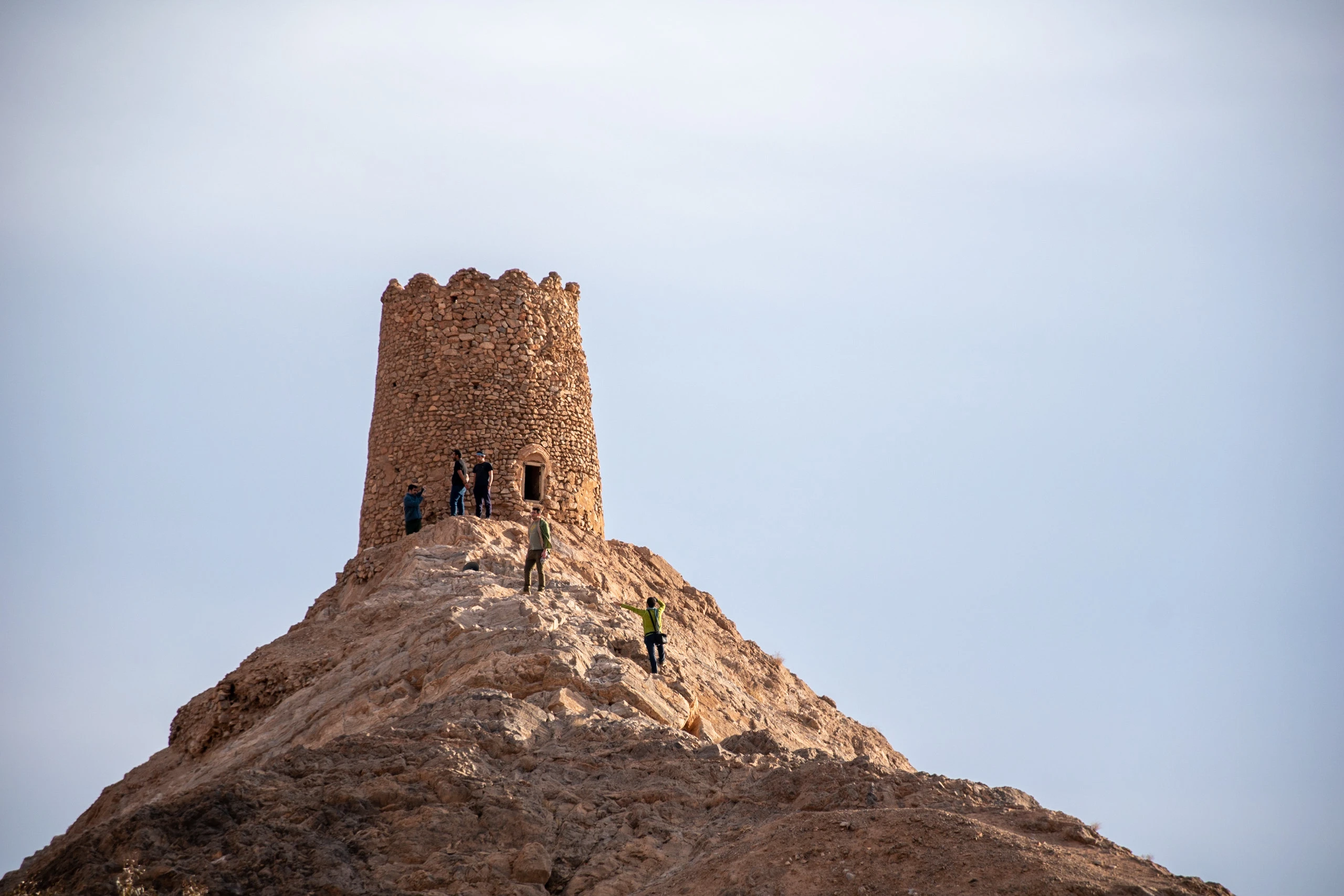
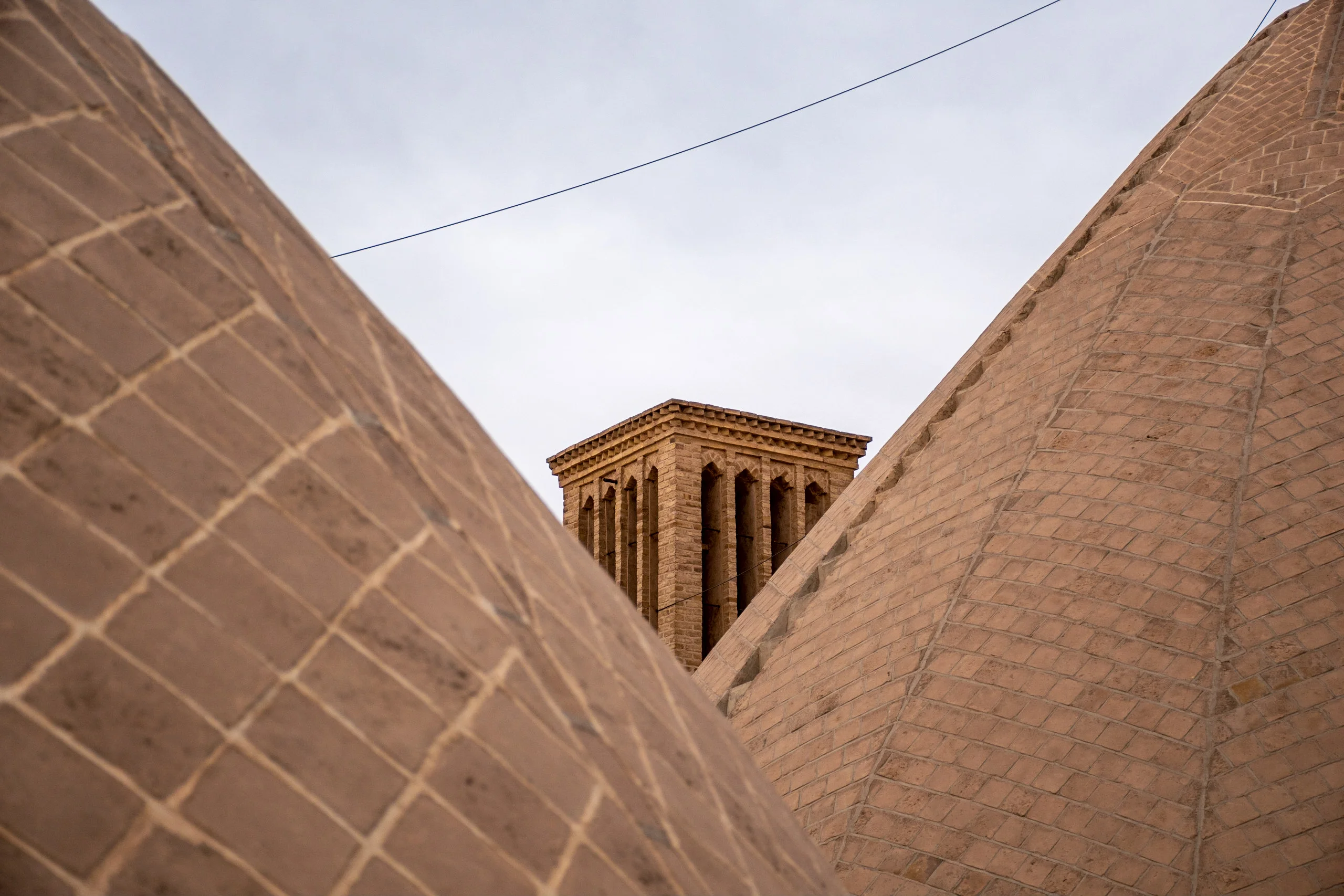
Naein
“Historic Naein, Isfahan, Iran”
CATEGORY
Documentary / Contemporary Iran
YEAR
2021-2023
LOCATION
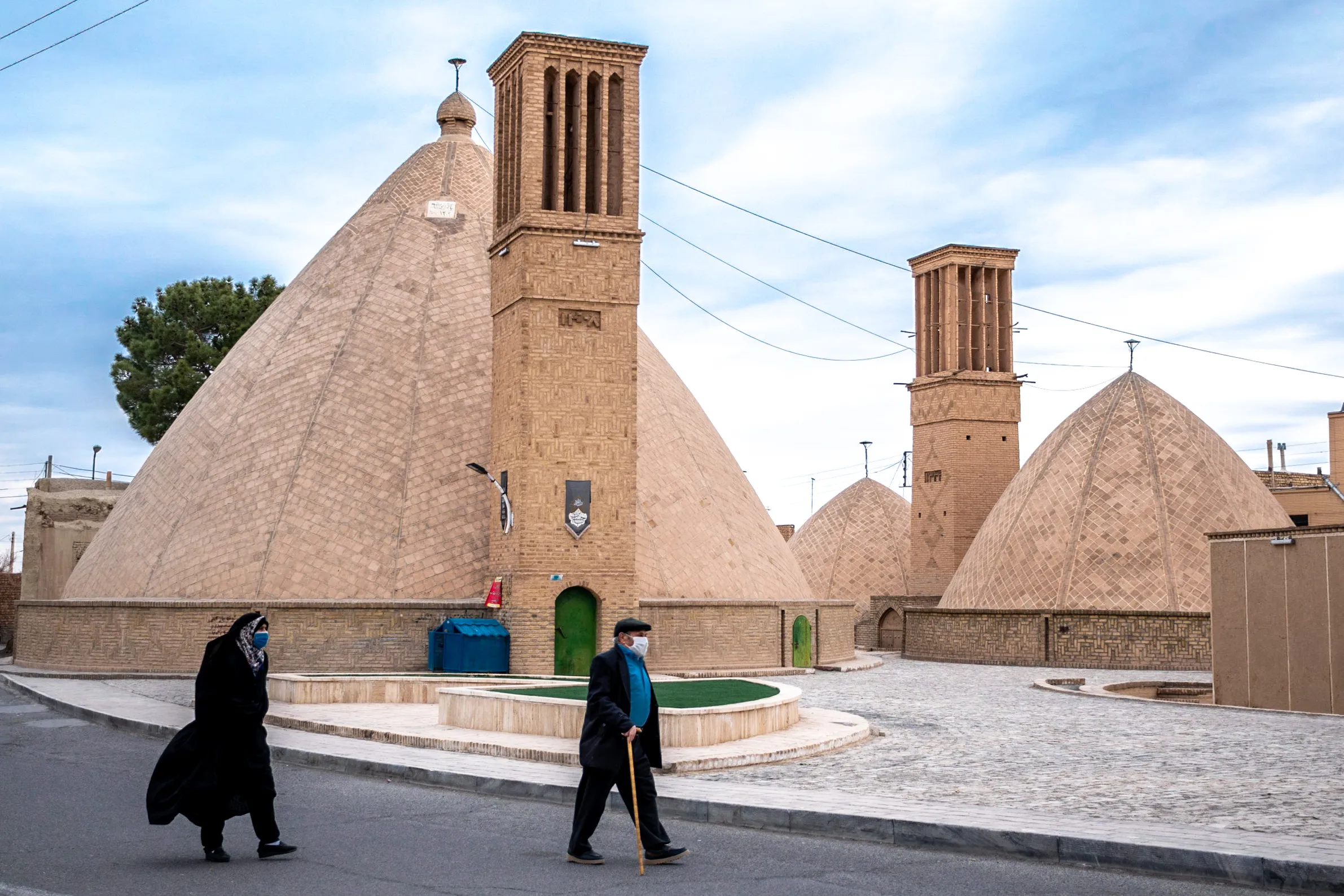
Historic Naein, Isfahan, Iran
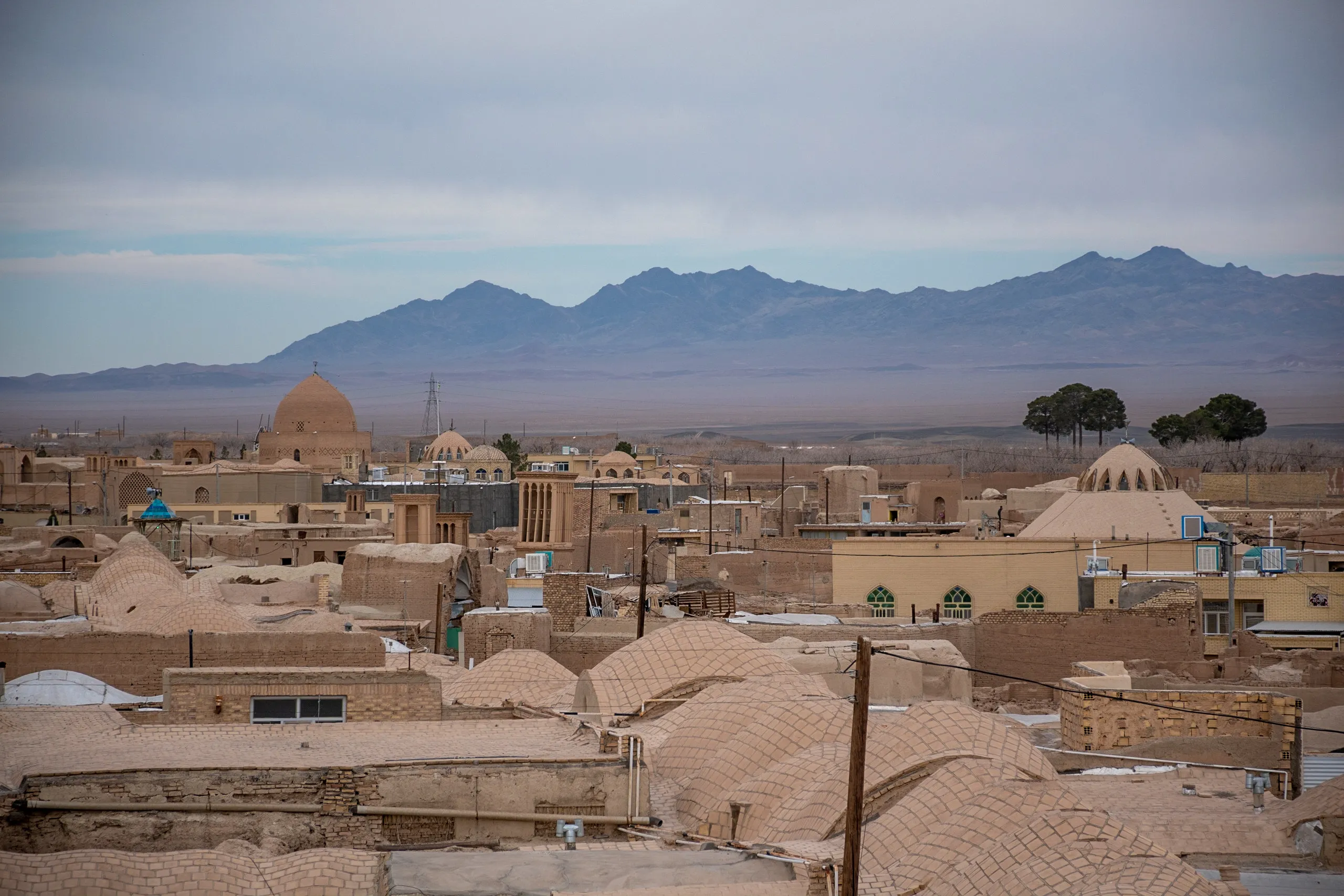
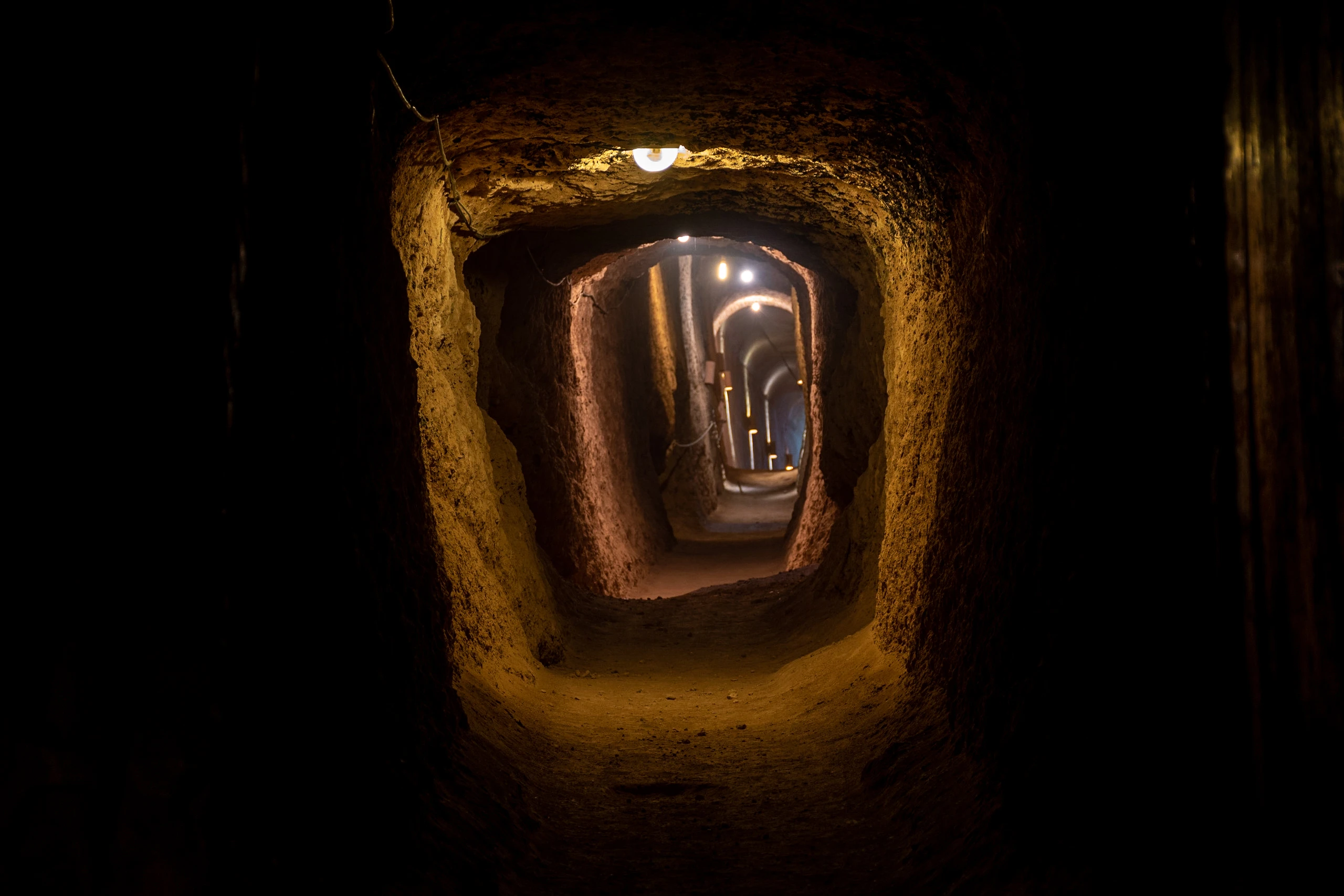
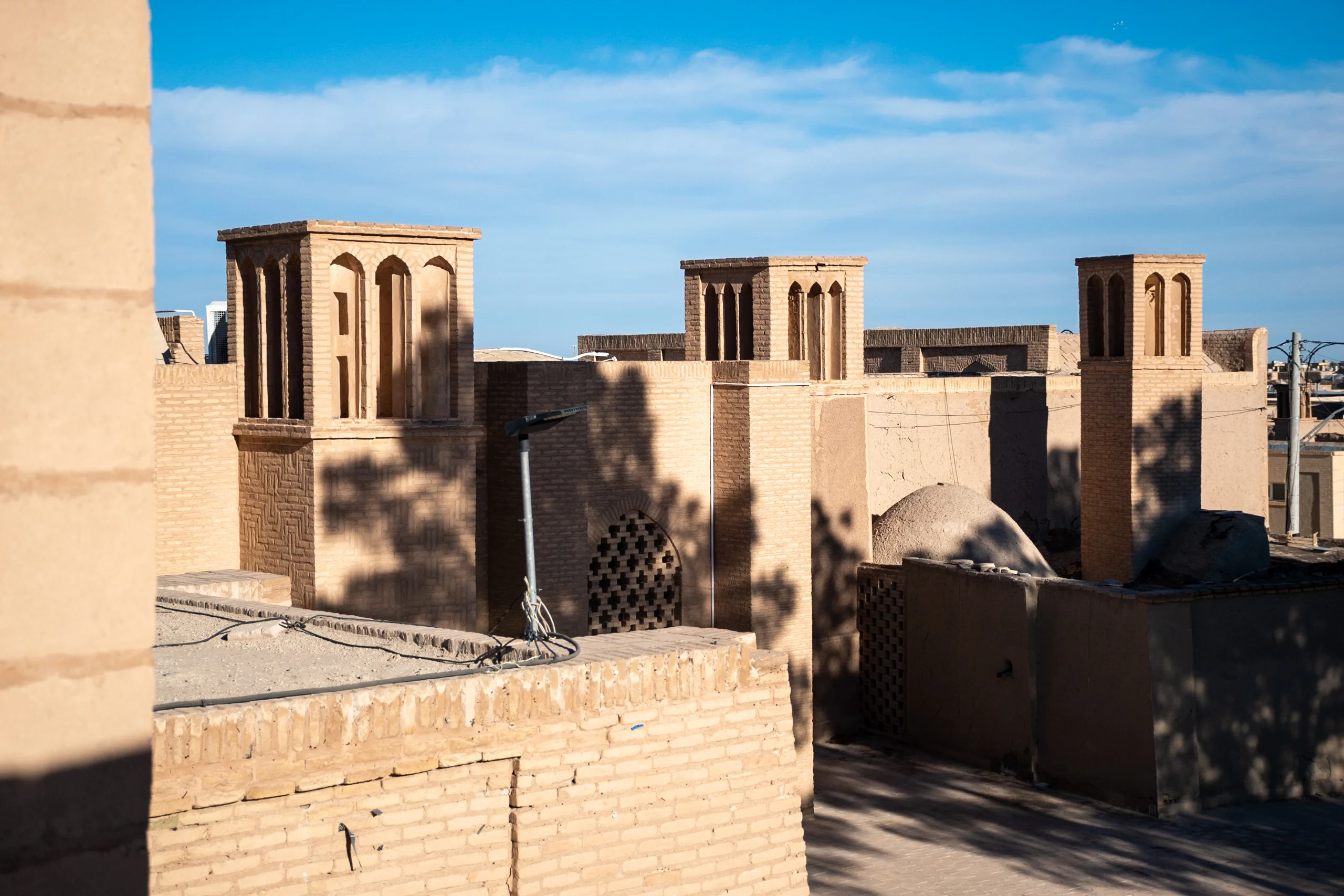
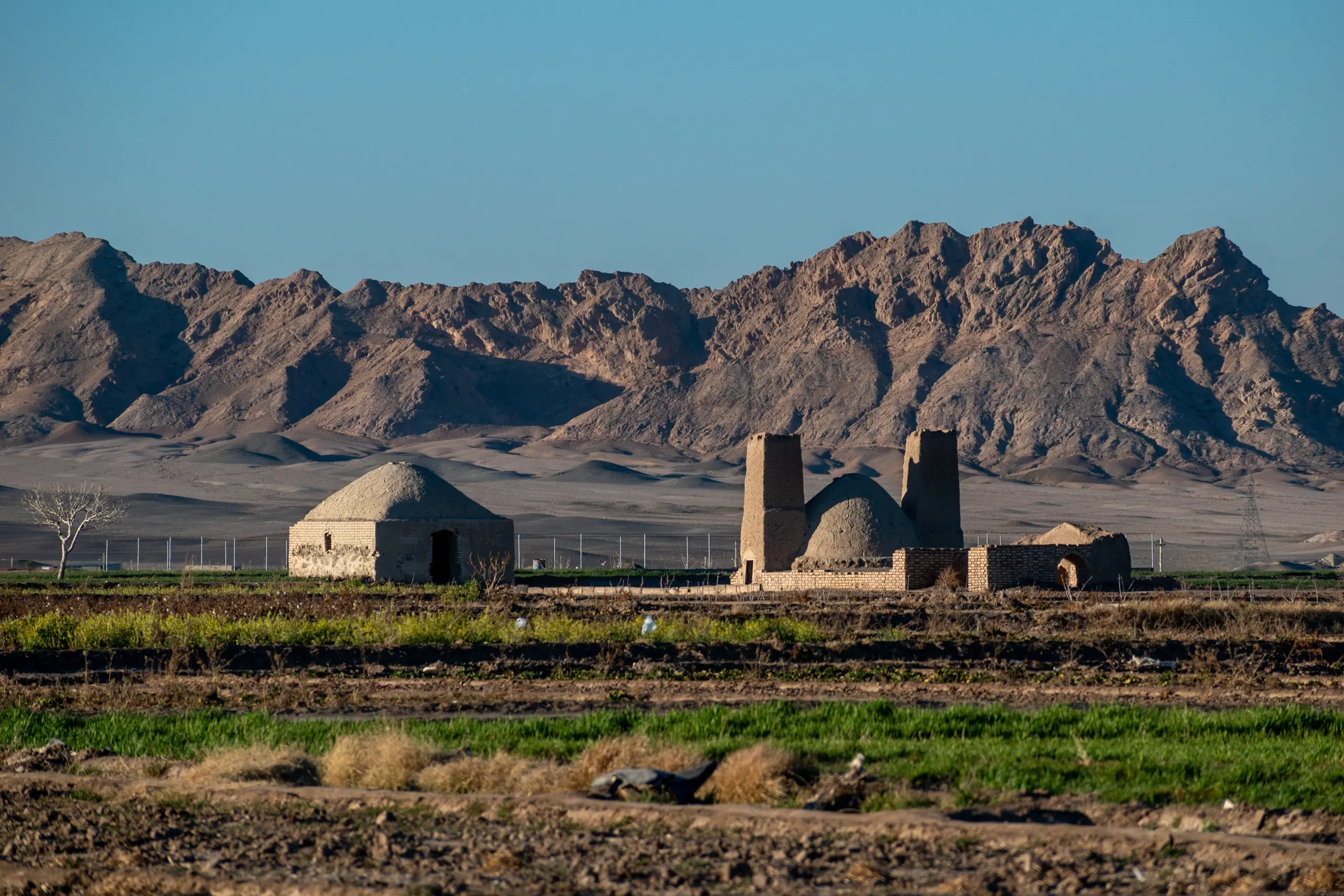
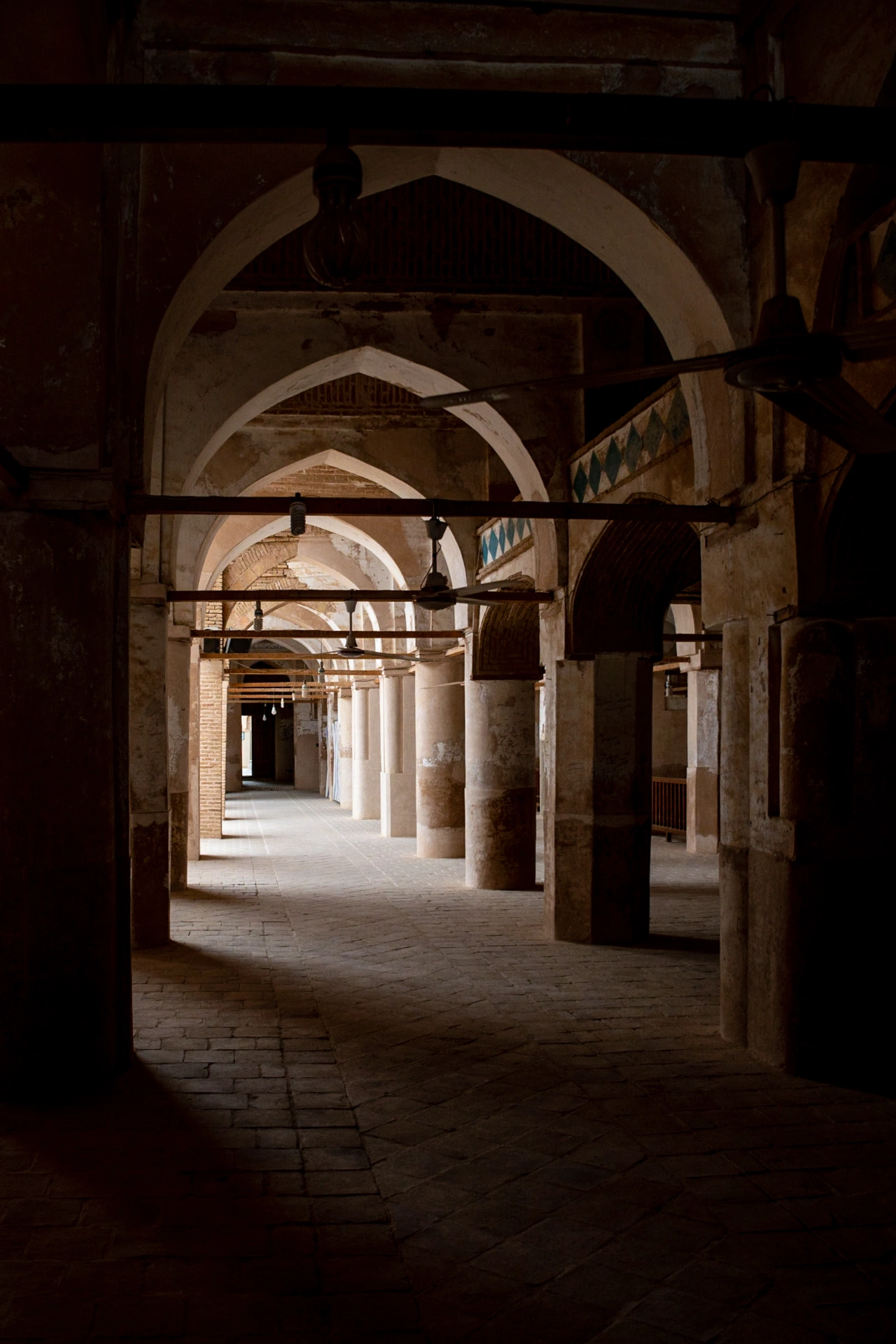
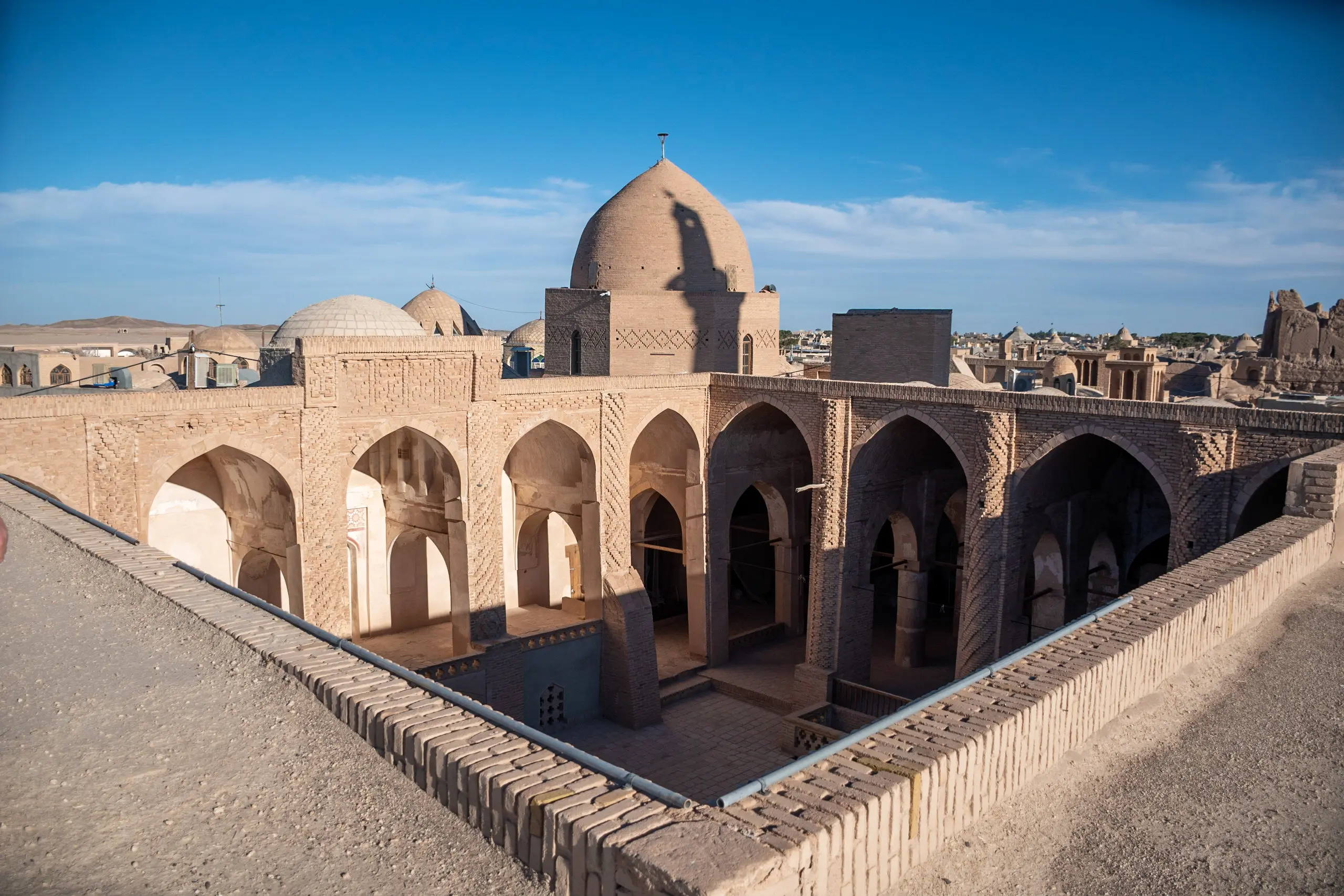
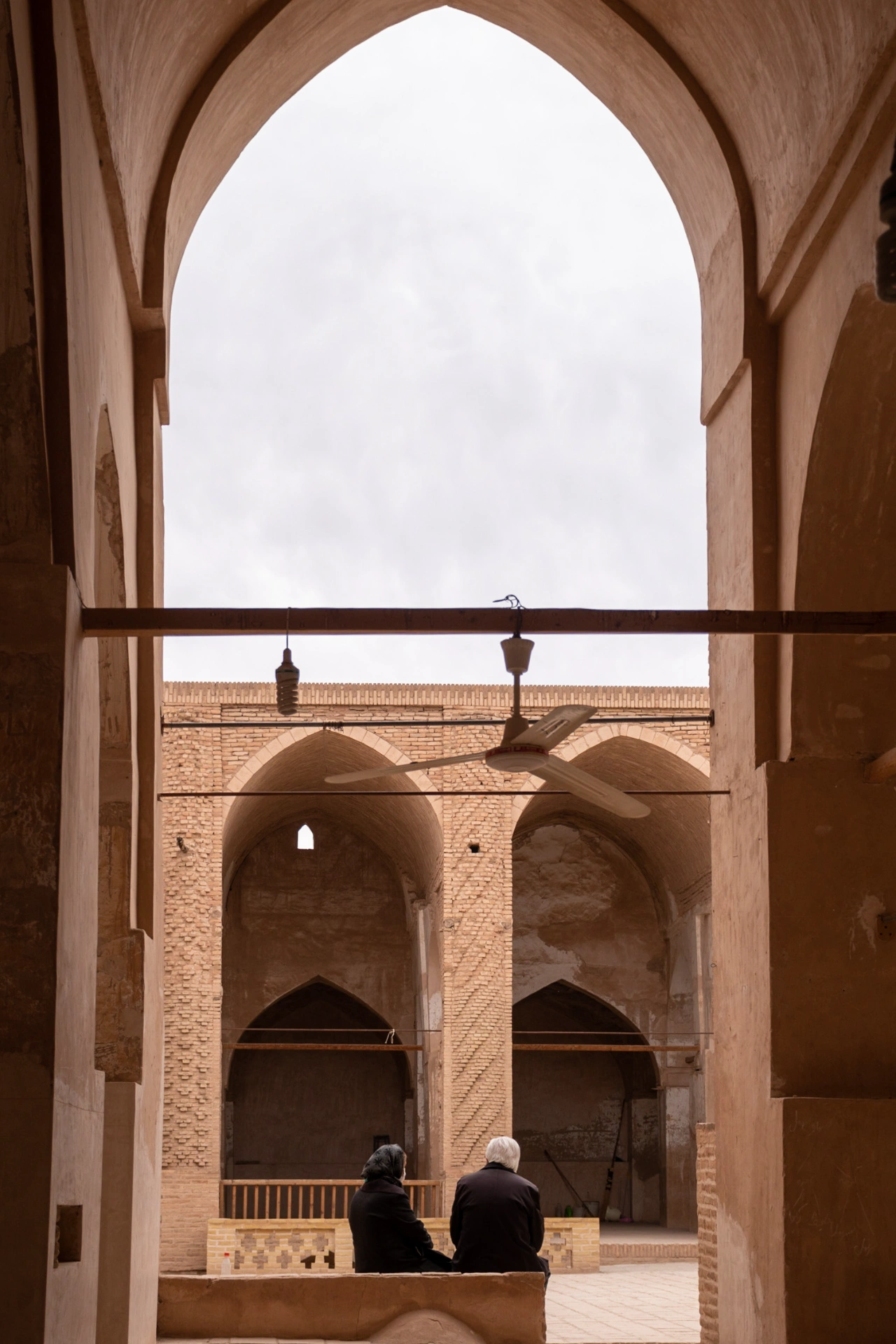
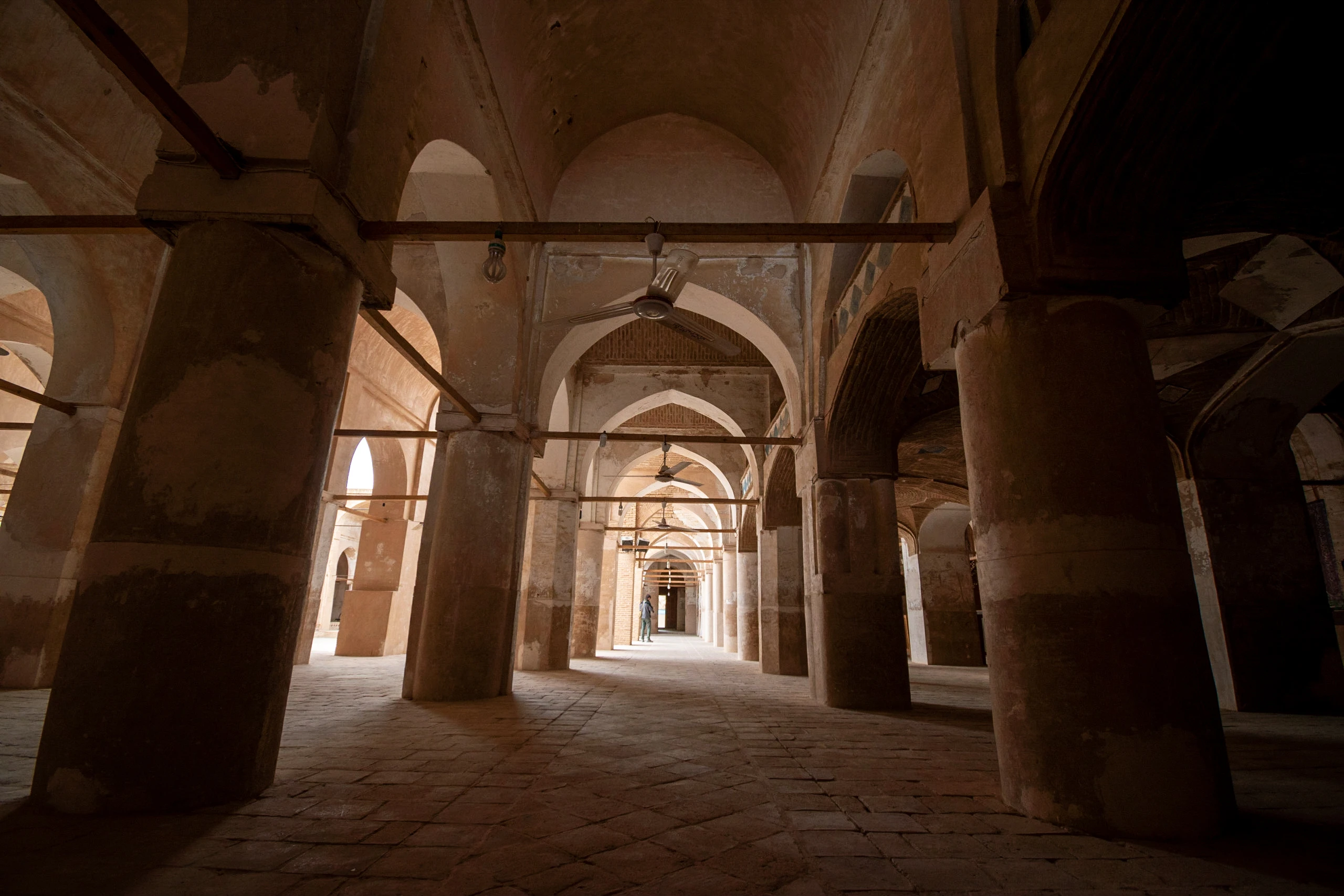
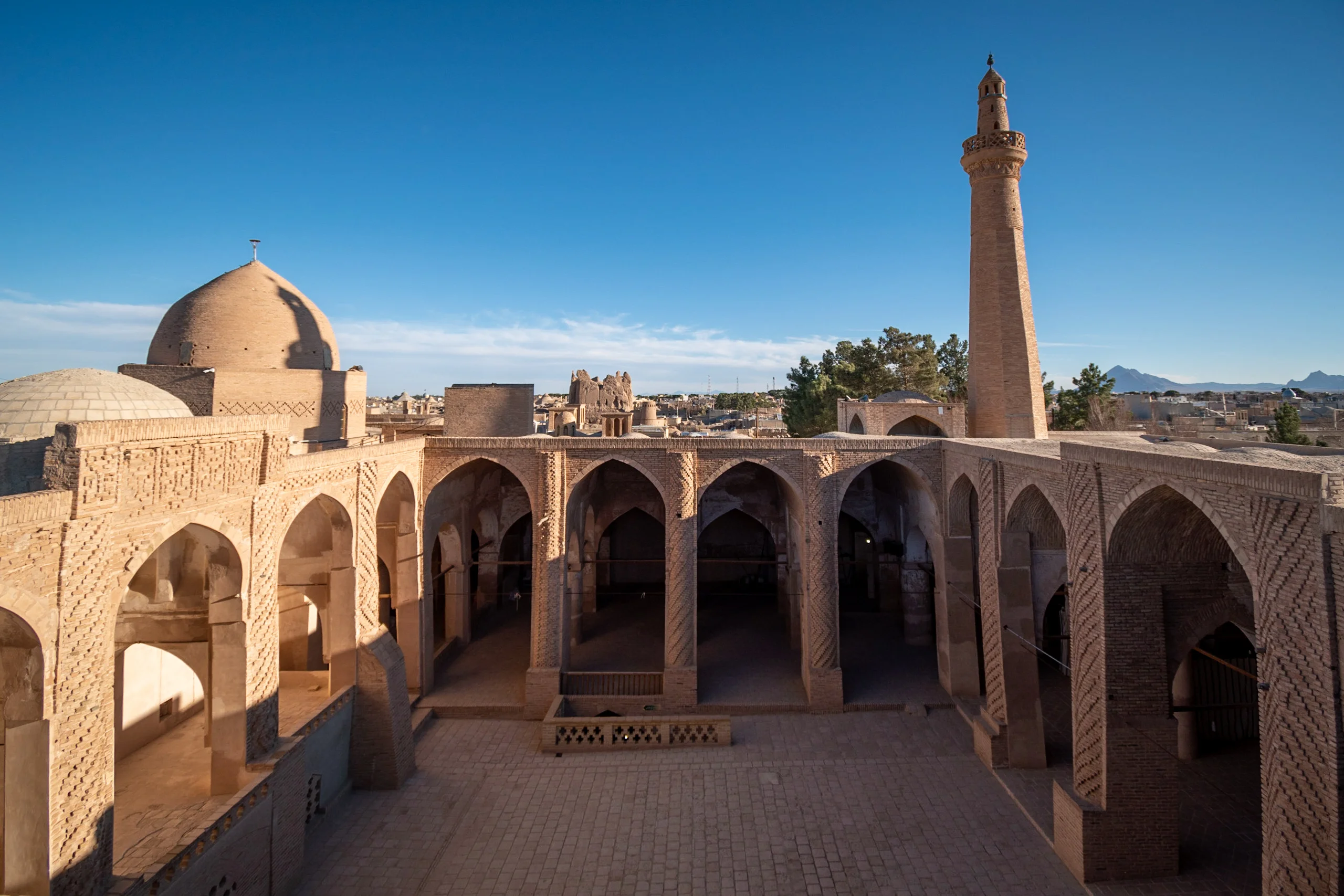
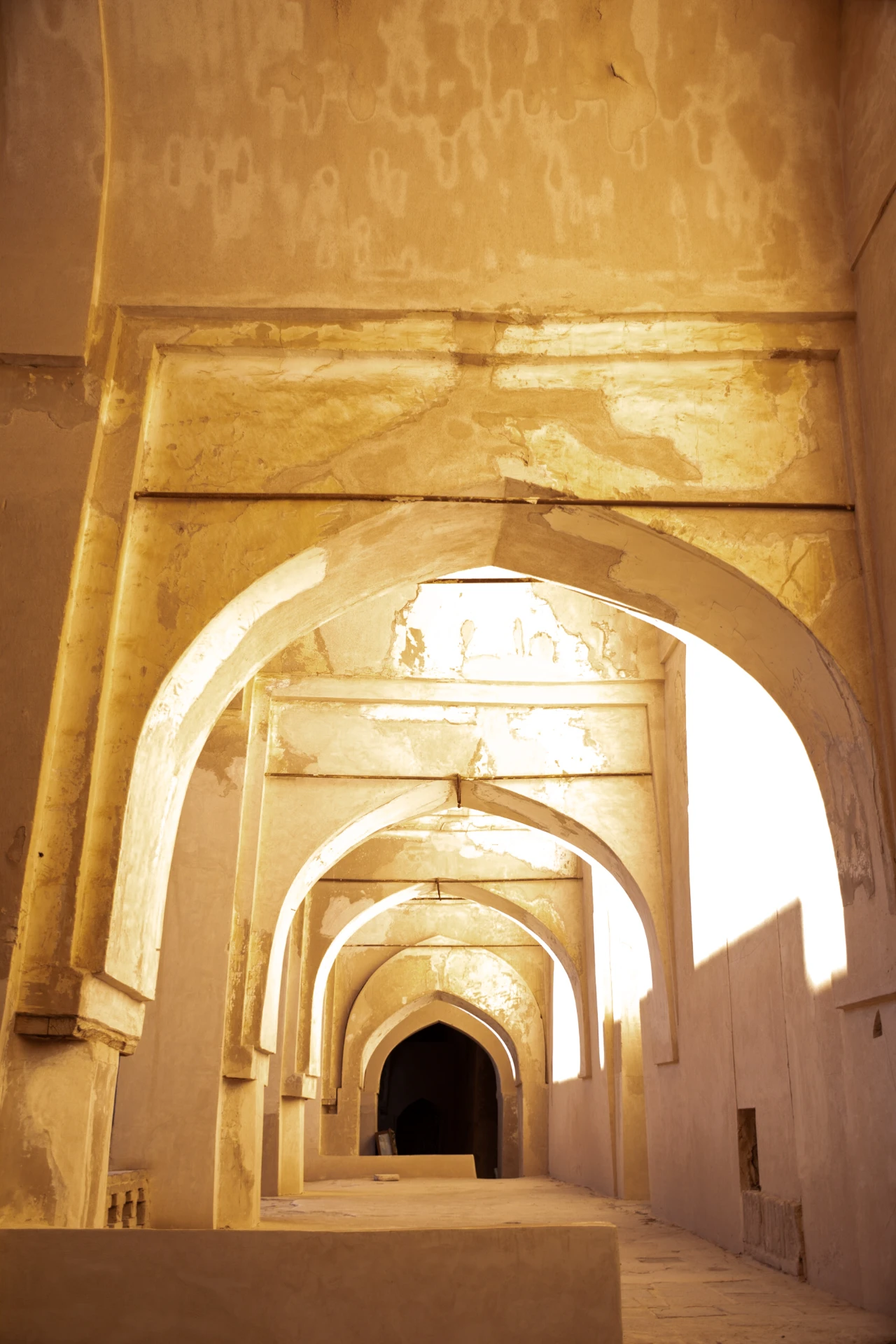
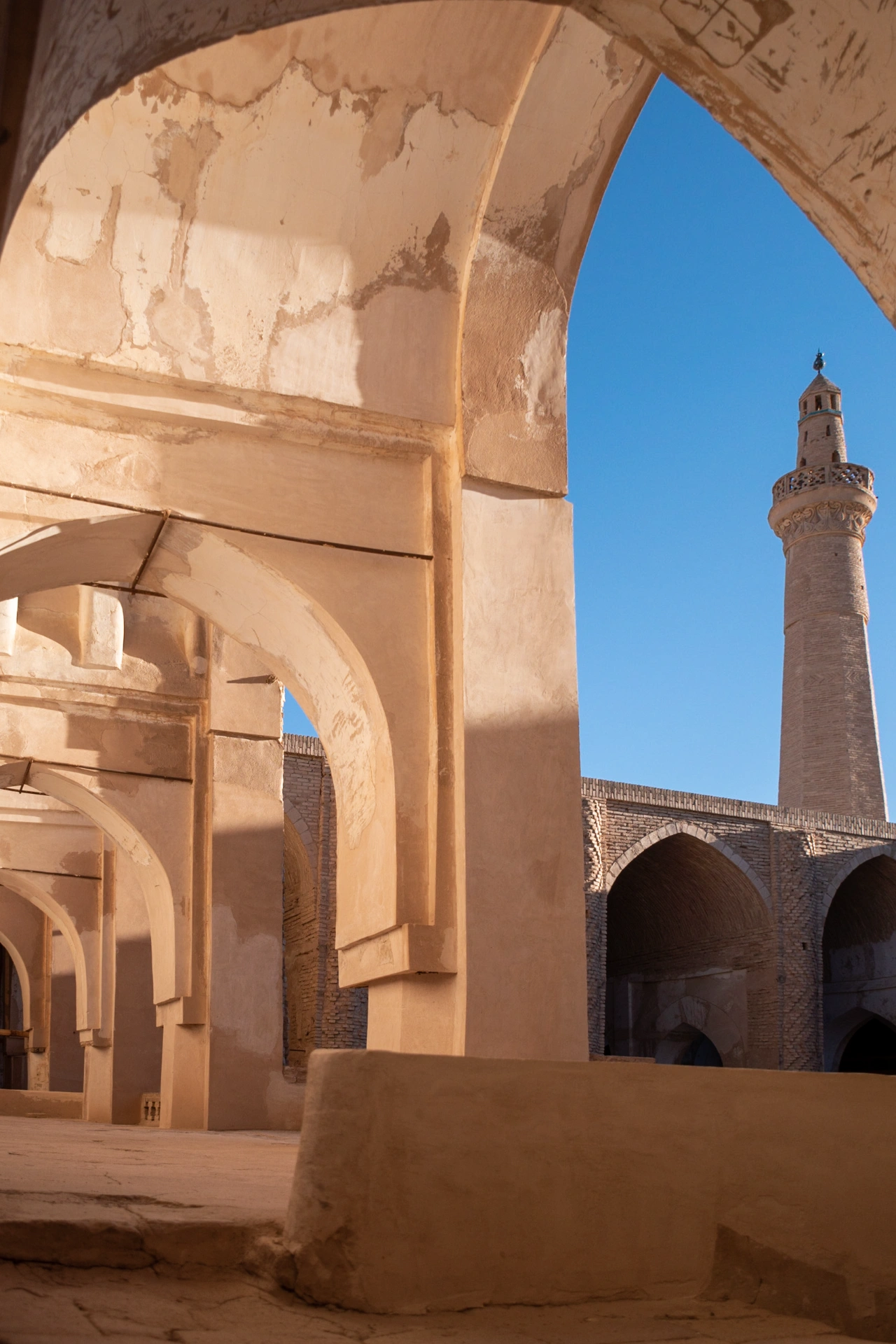
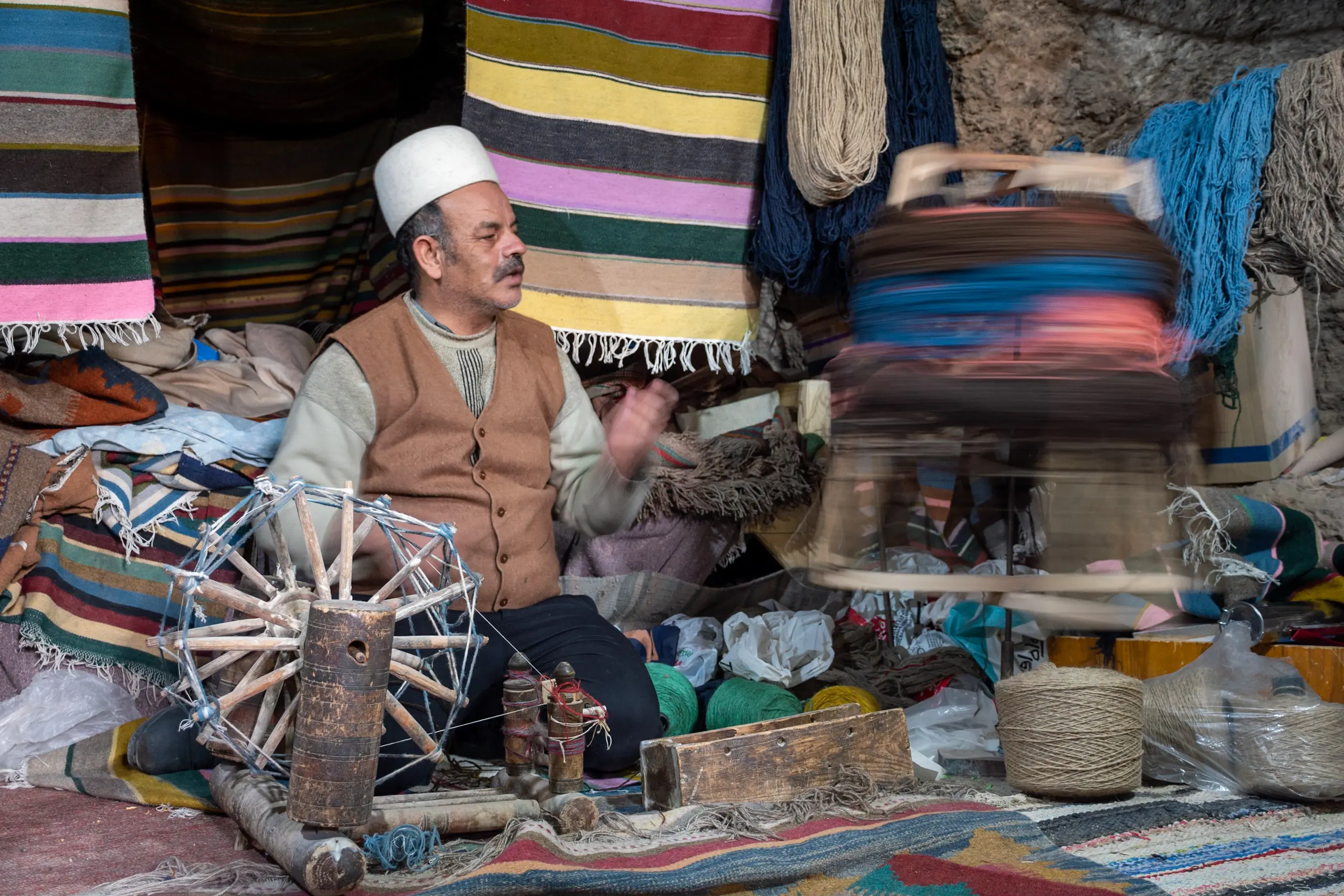
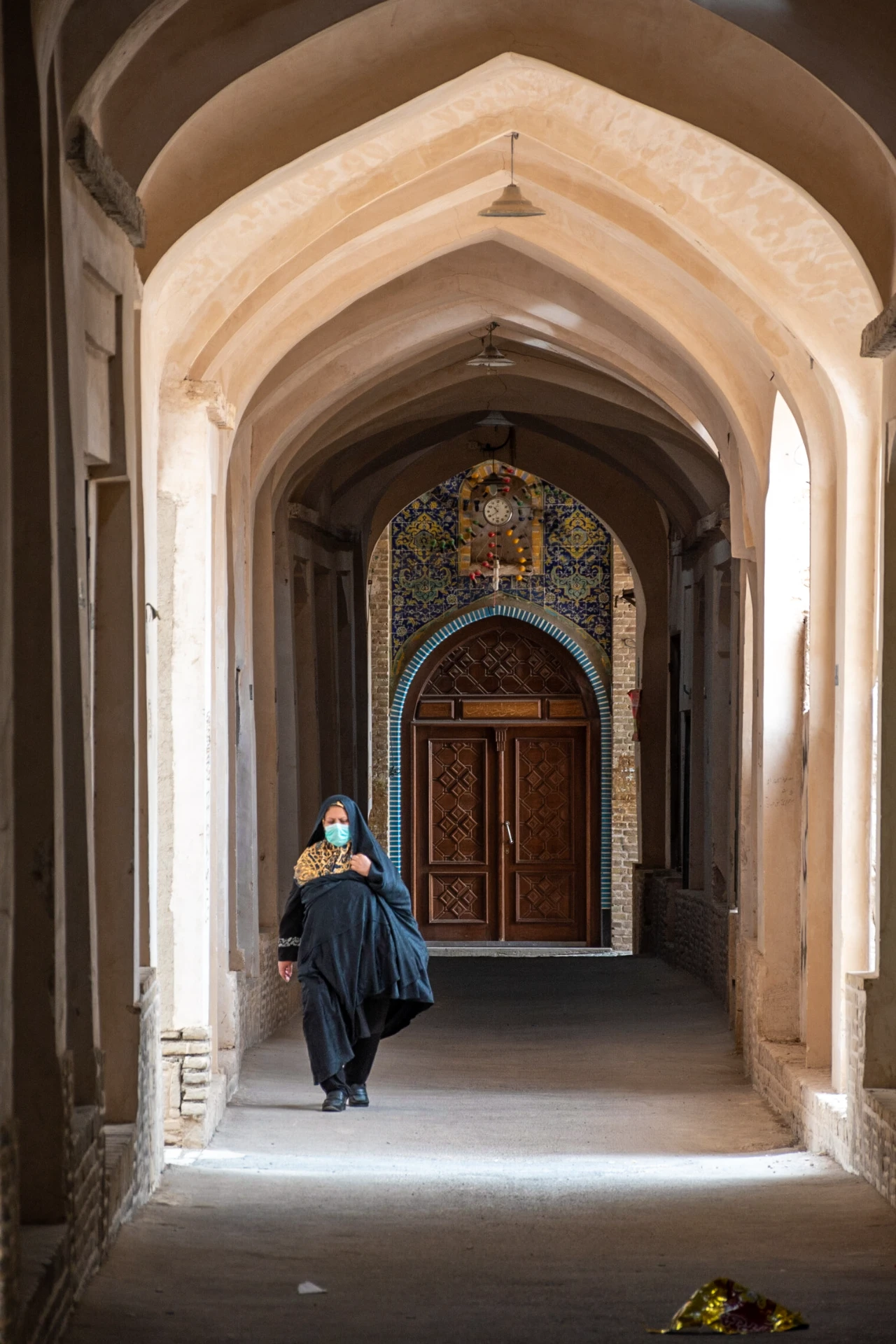
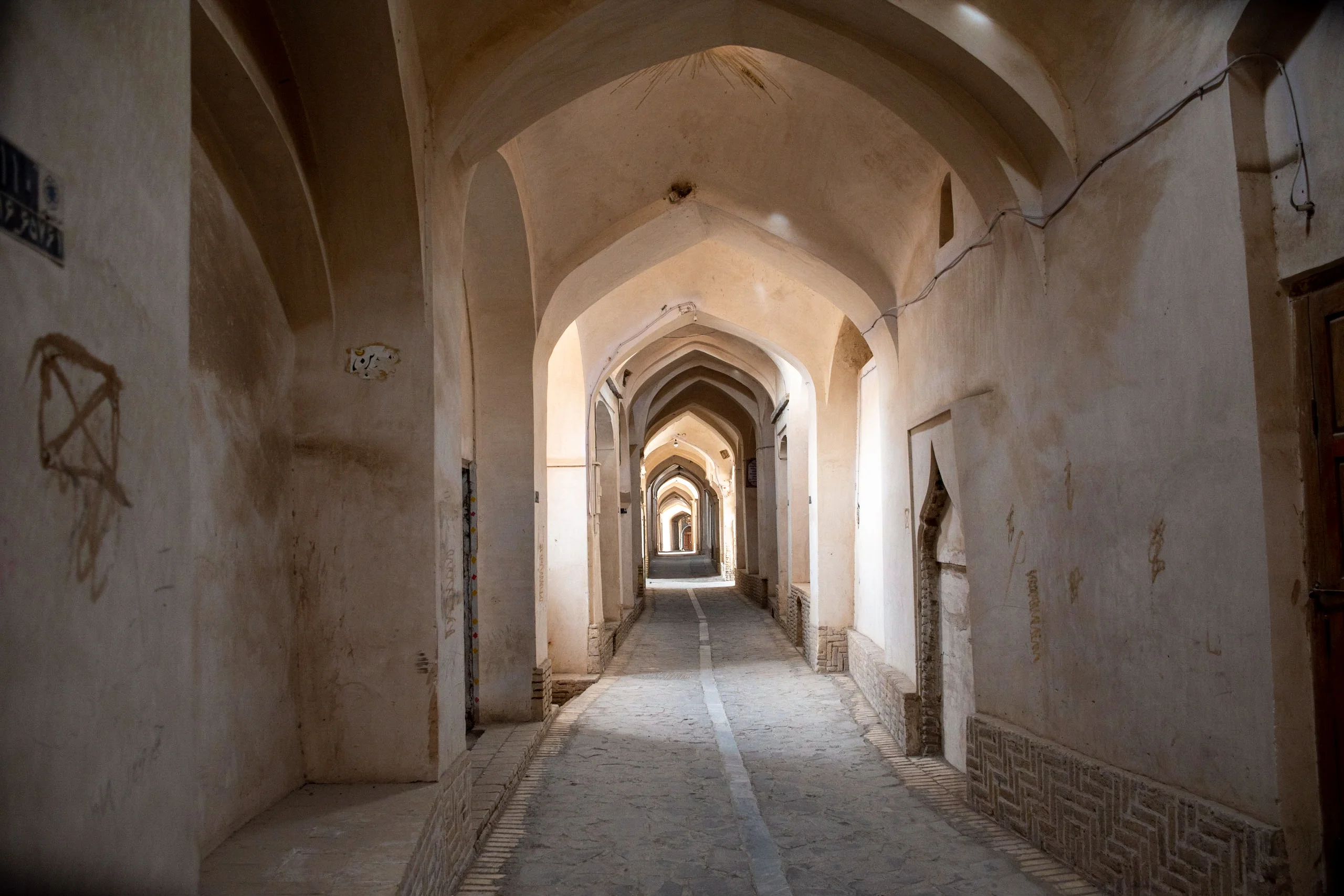
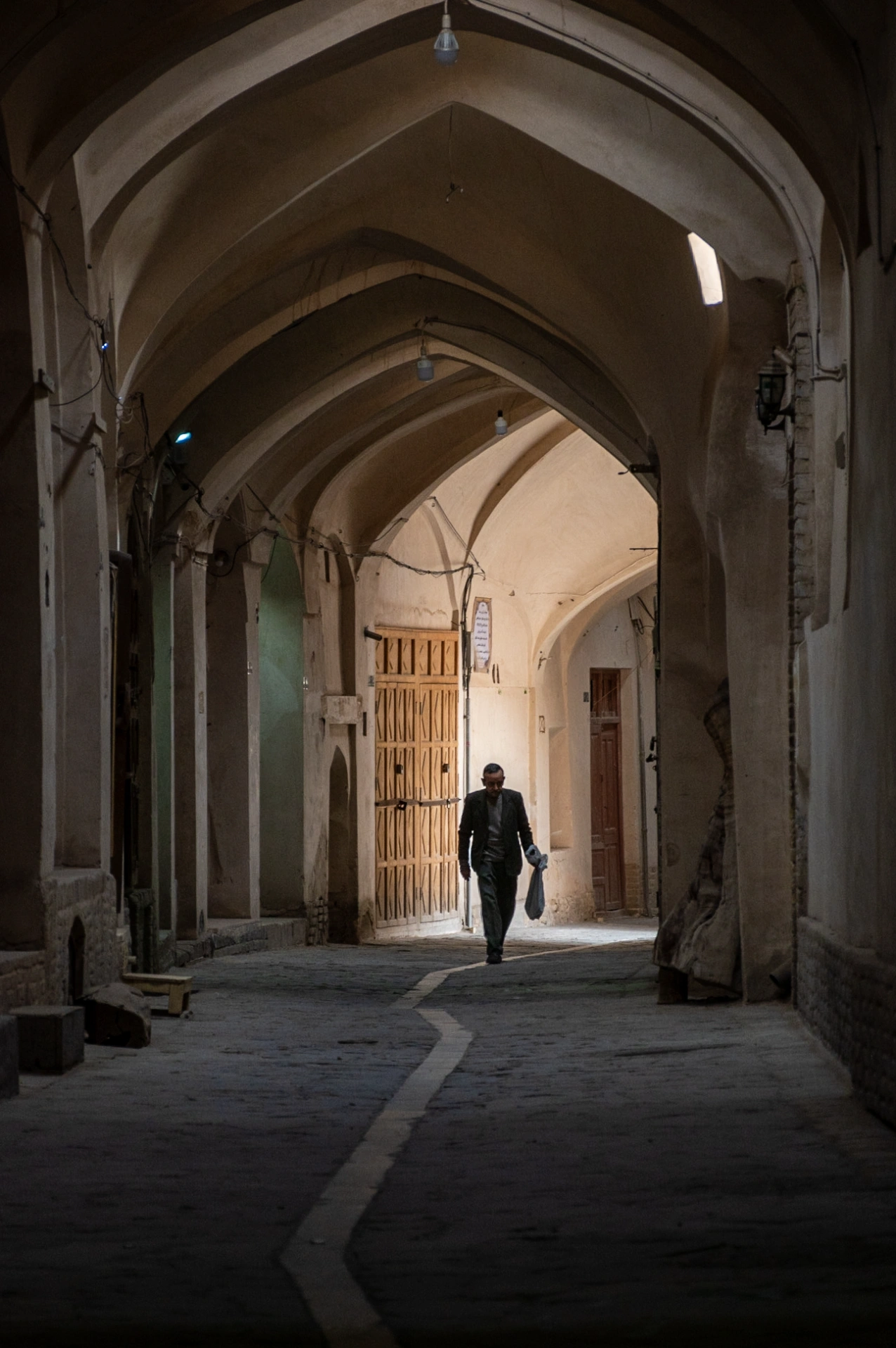
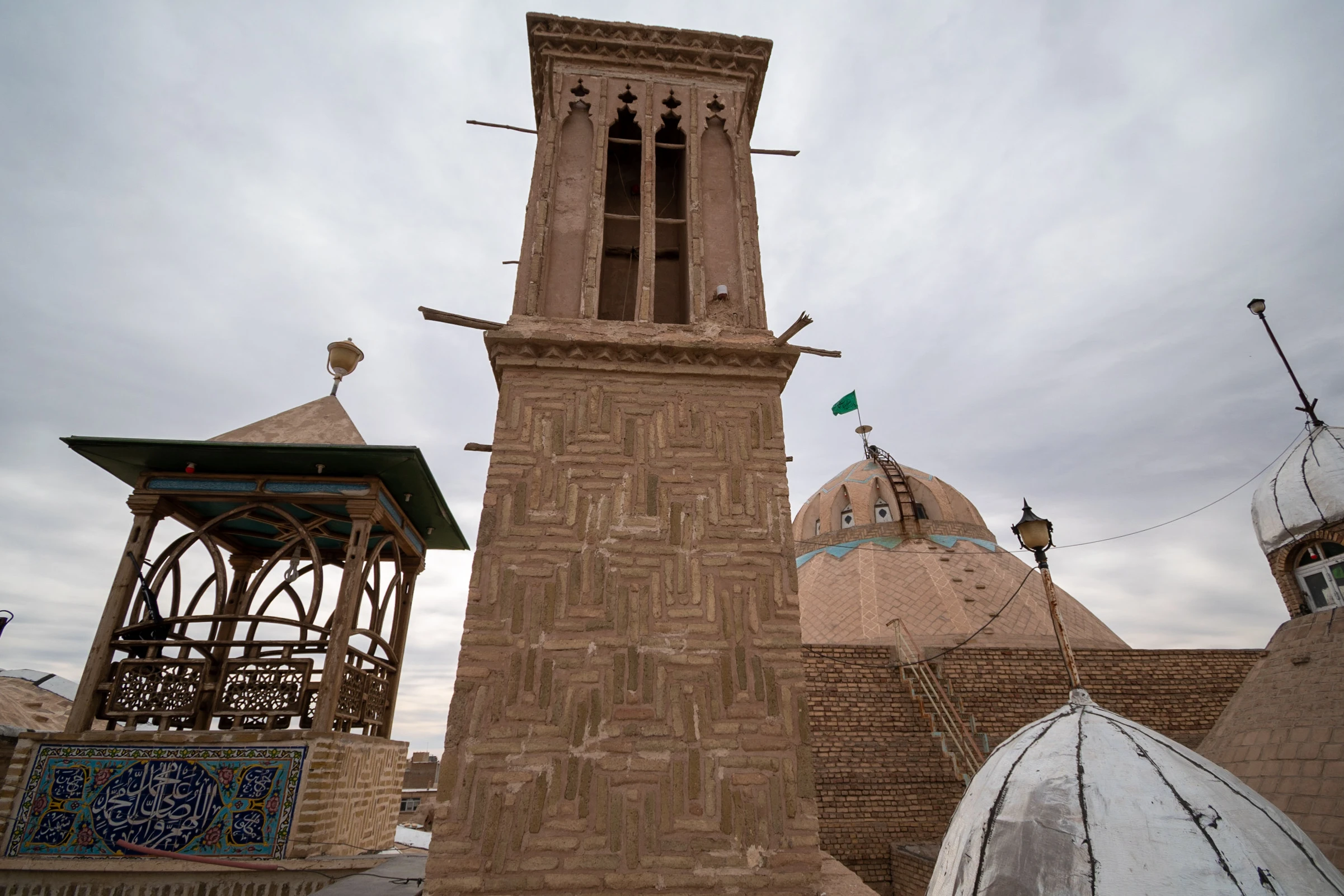
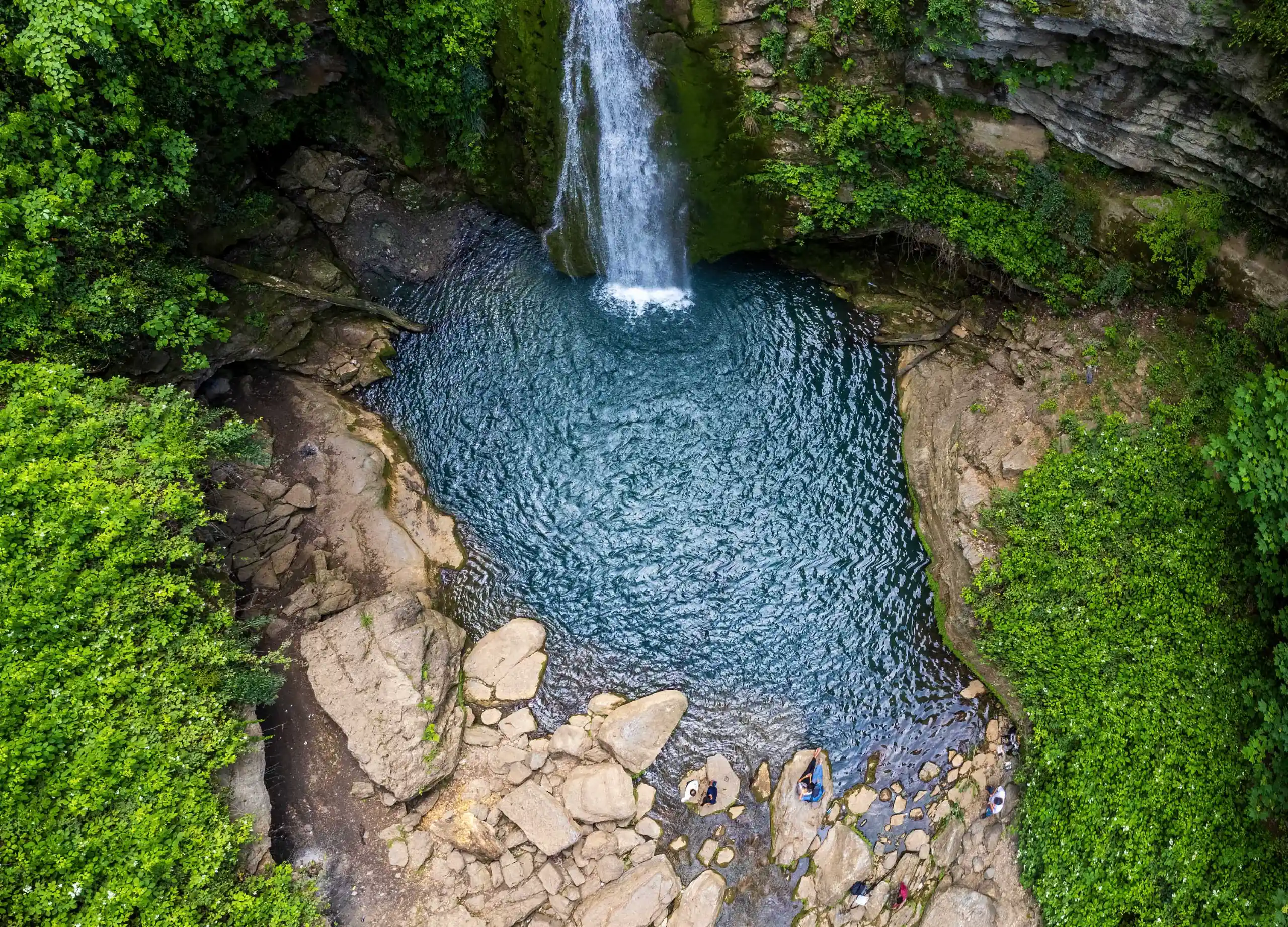
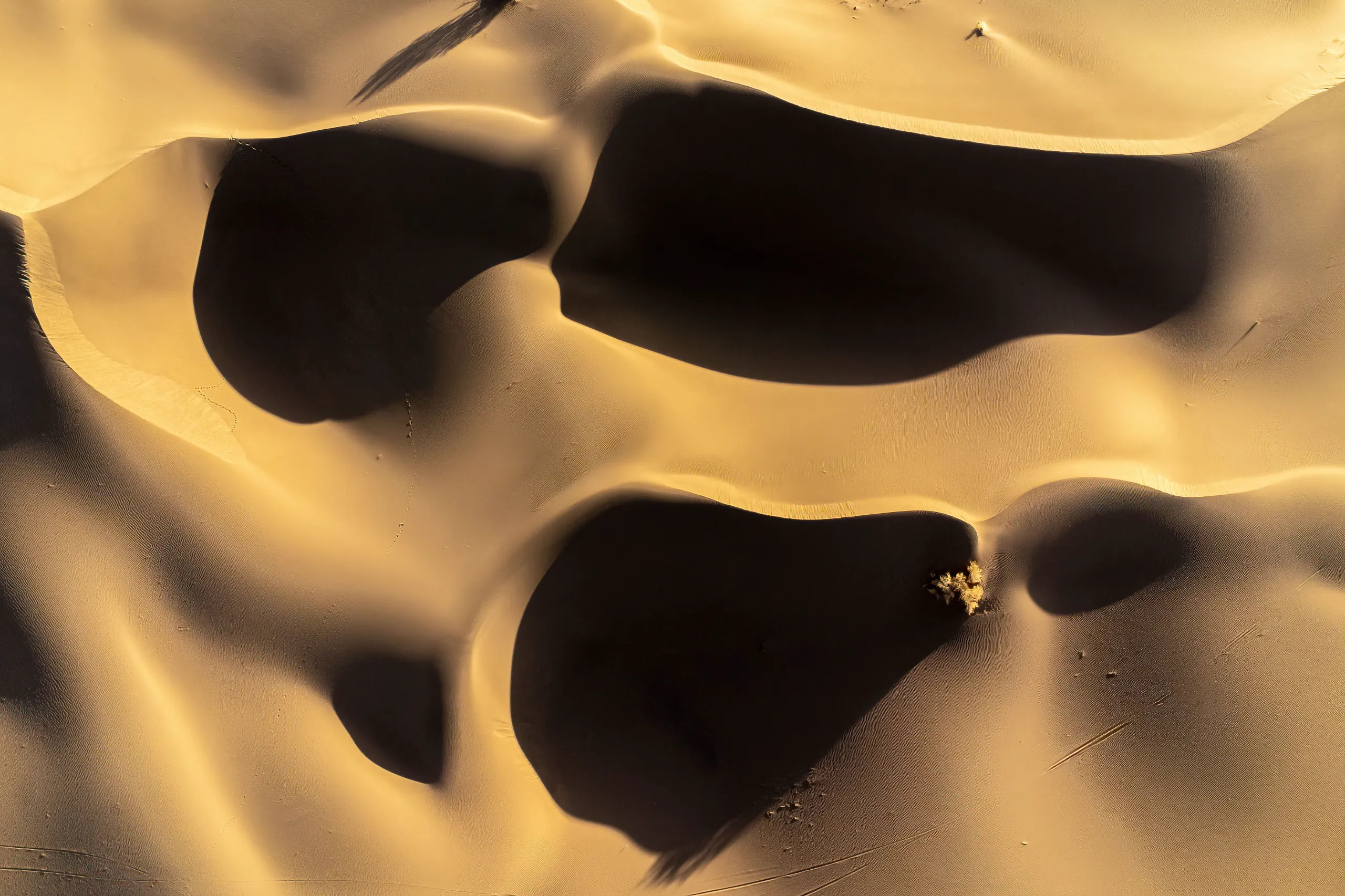
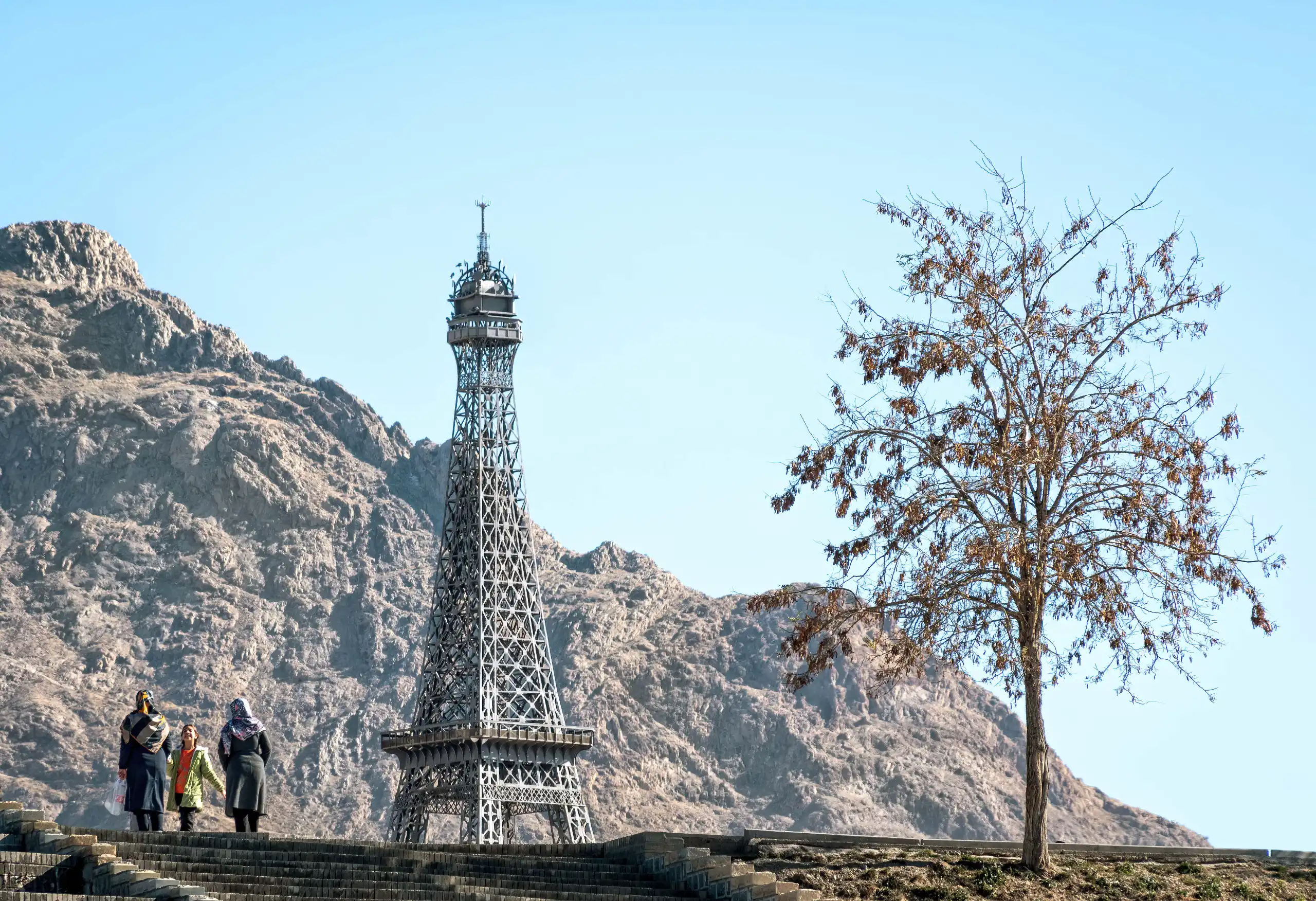
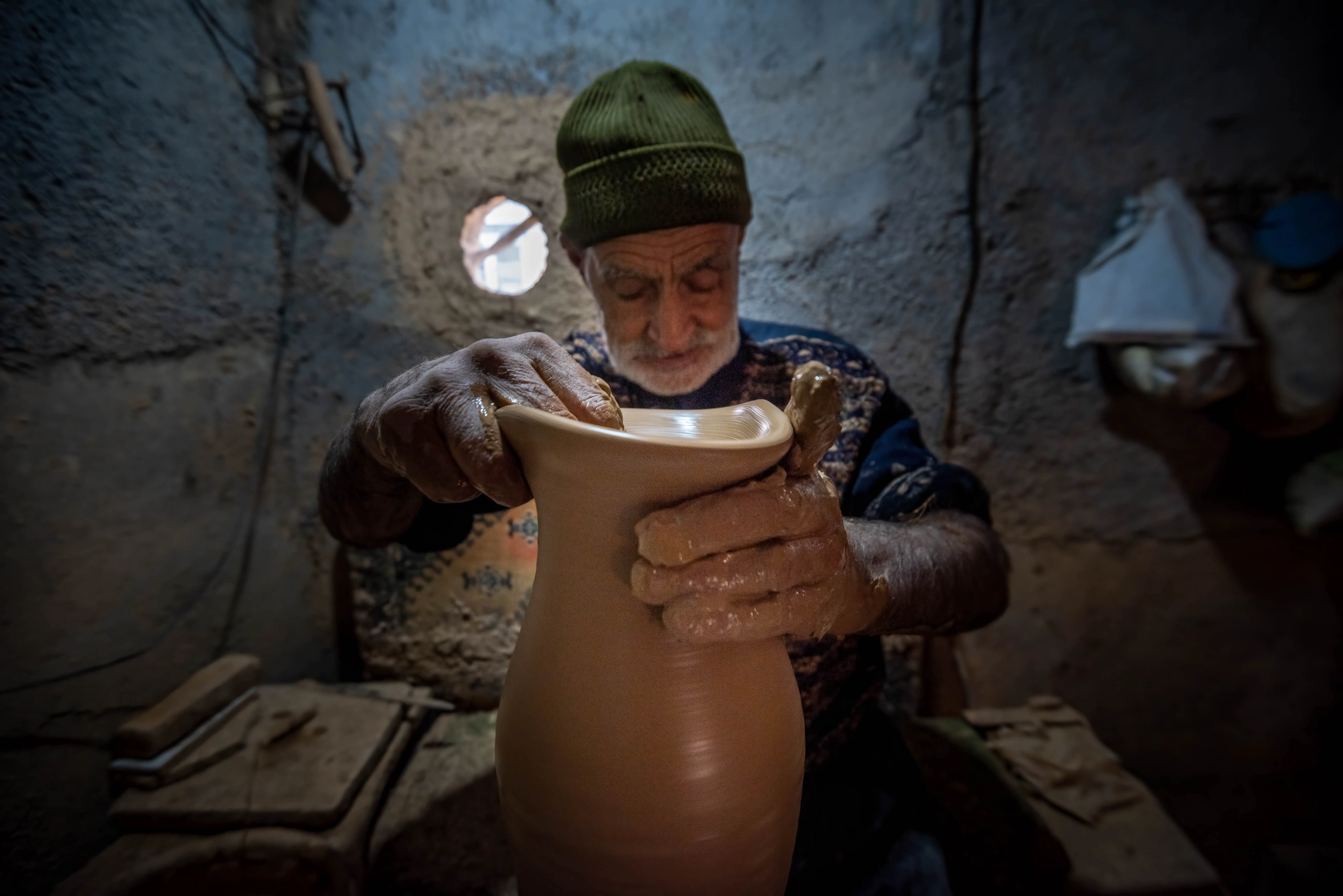
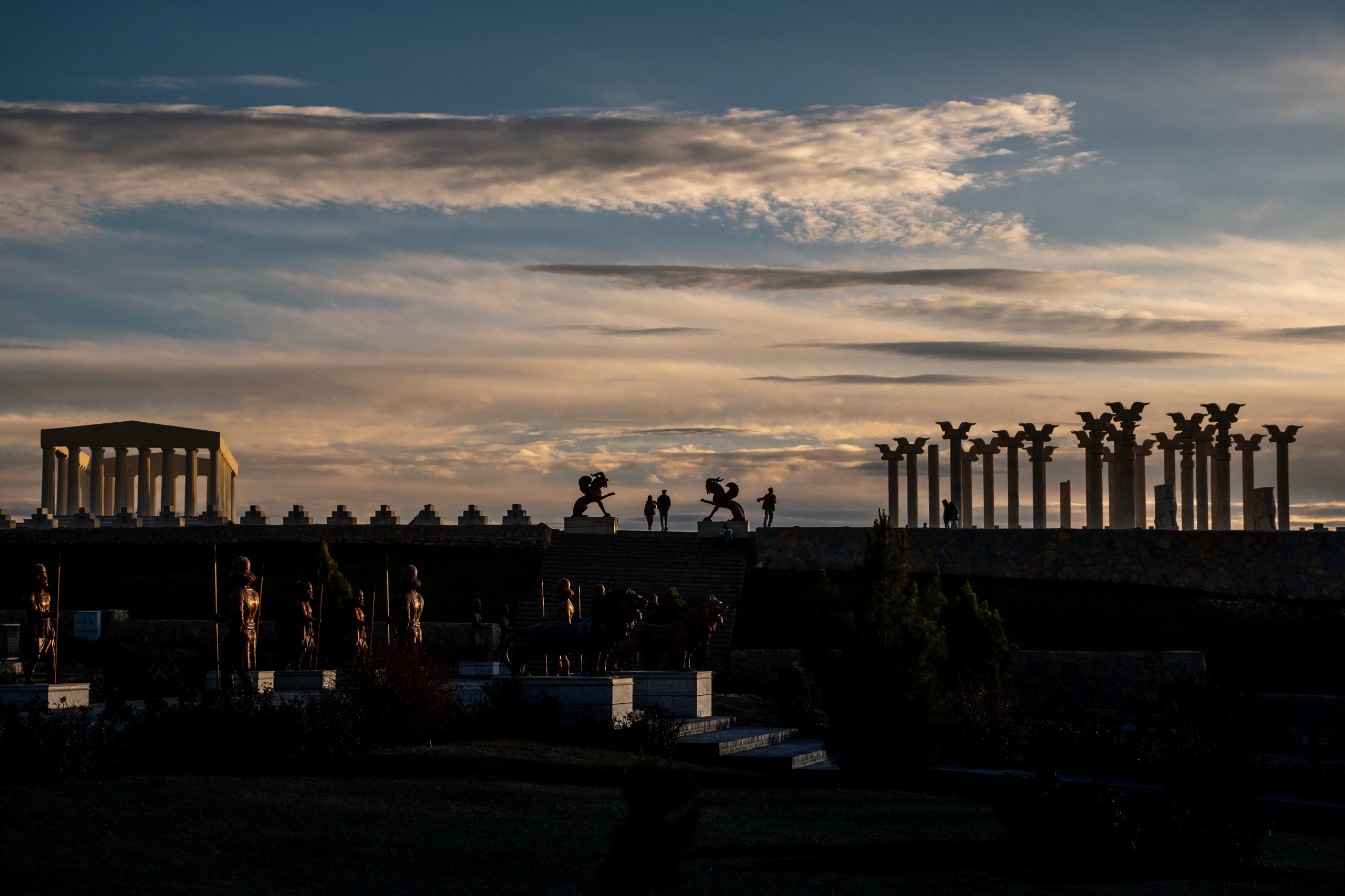
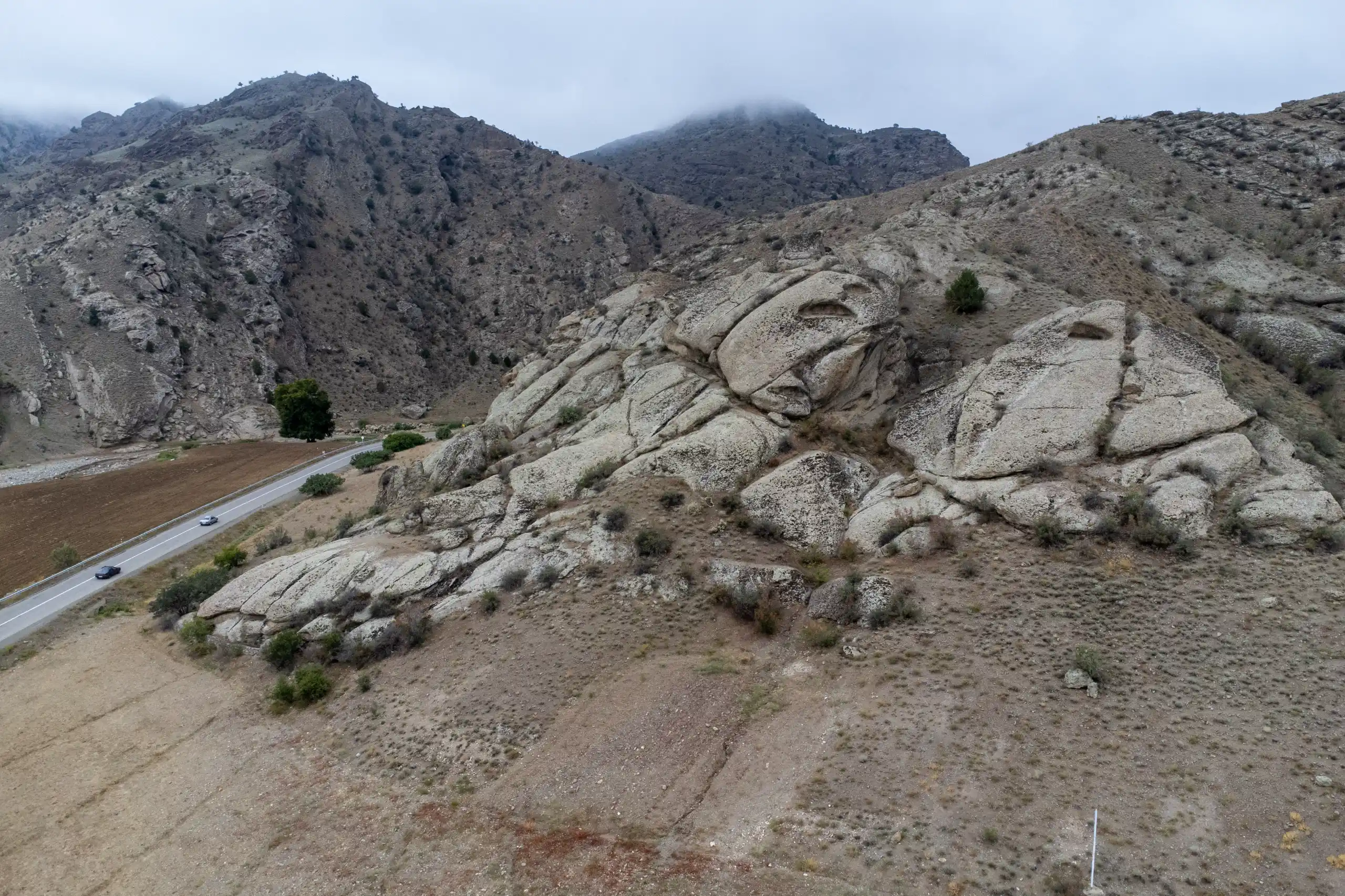
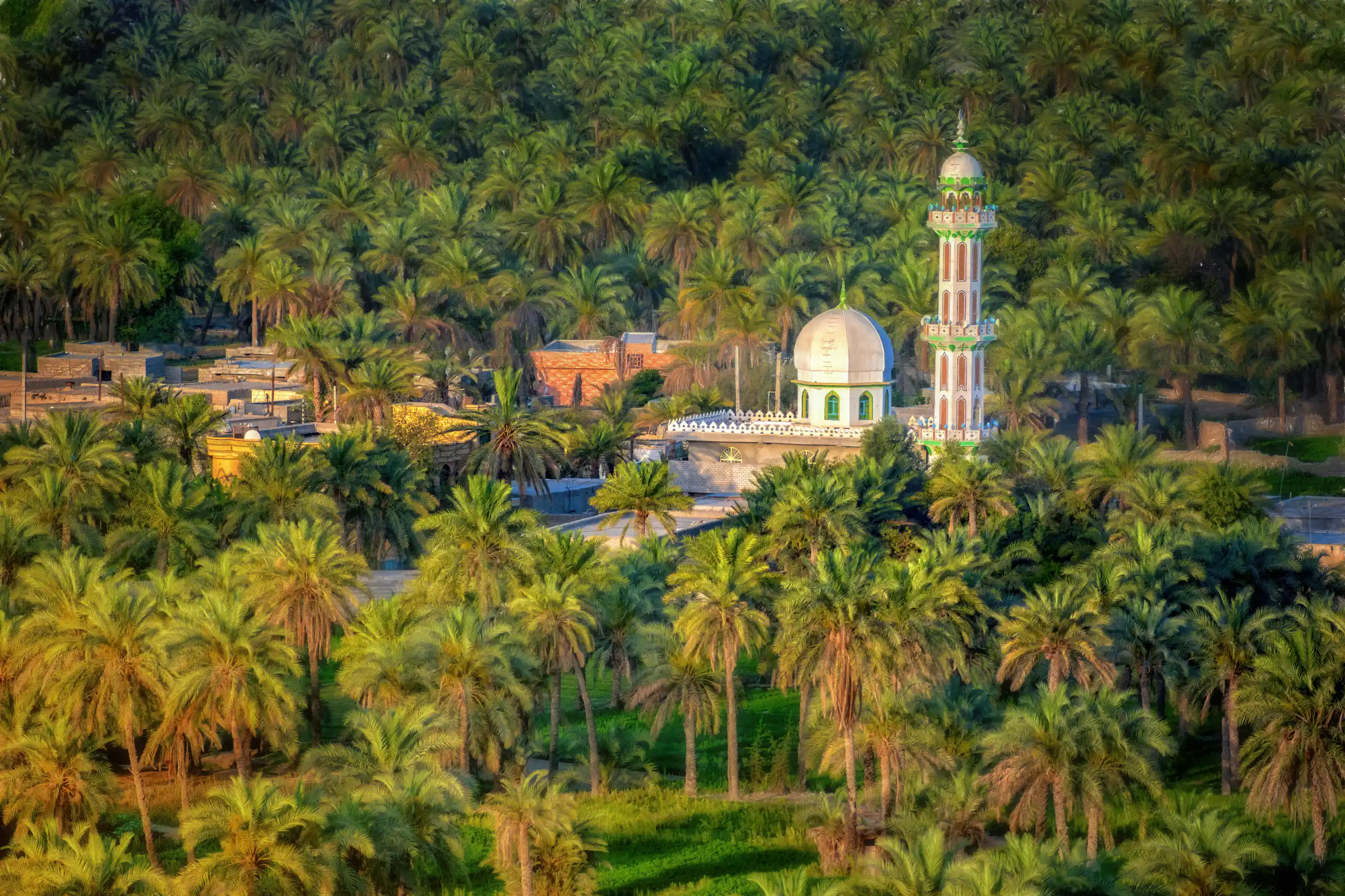
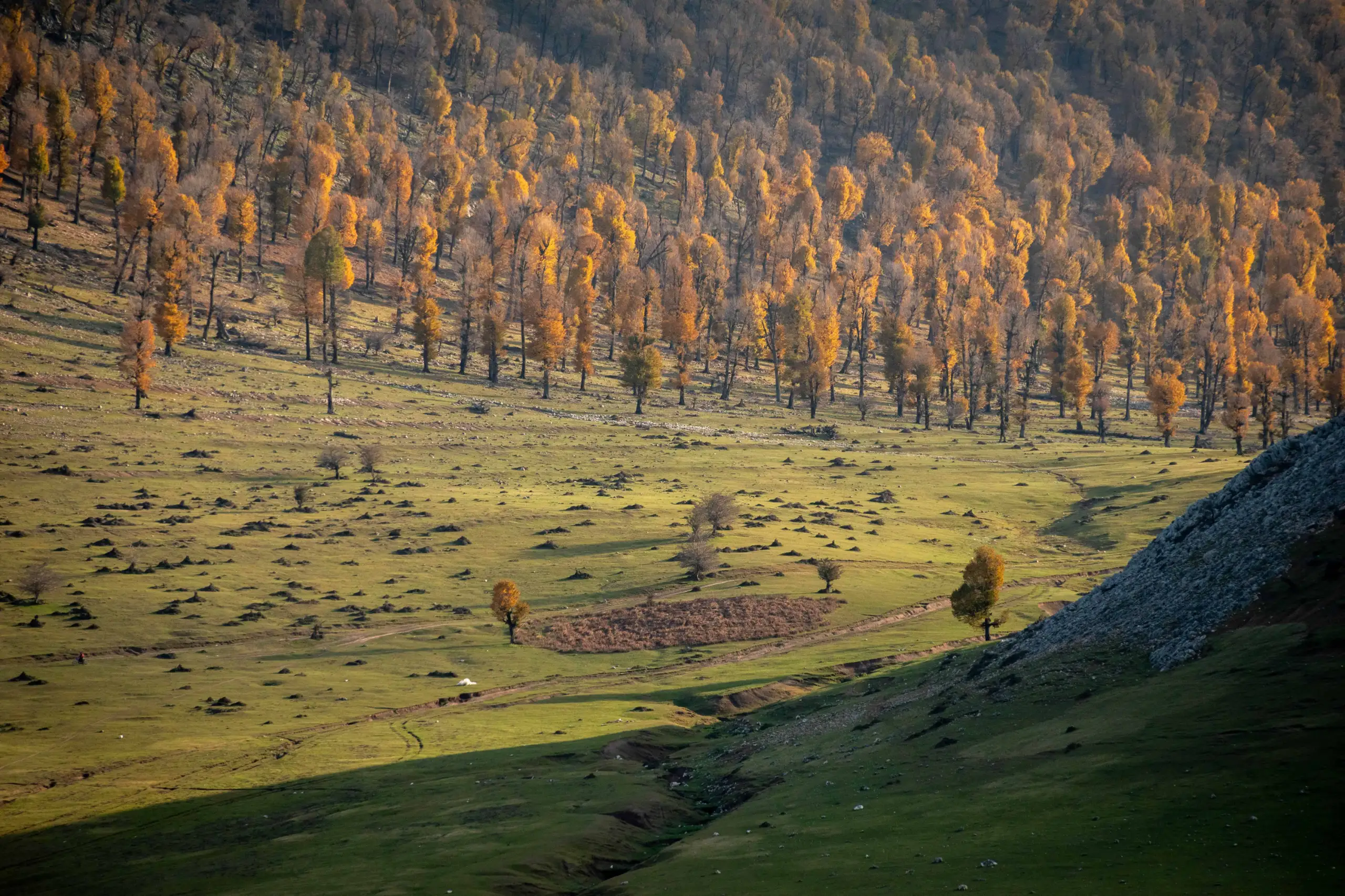
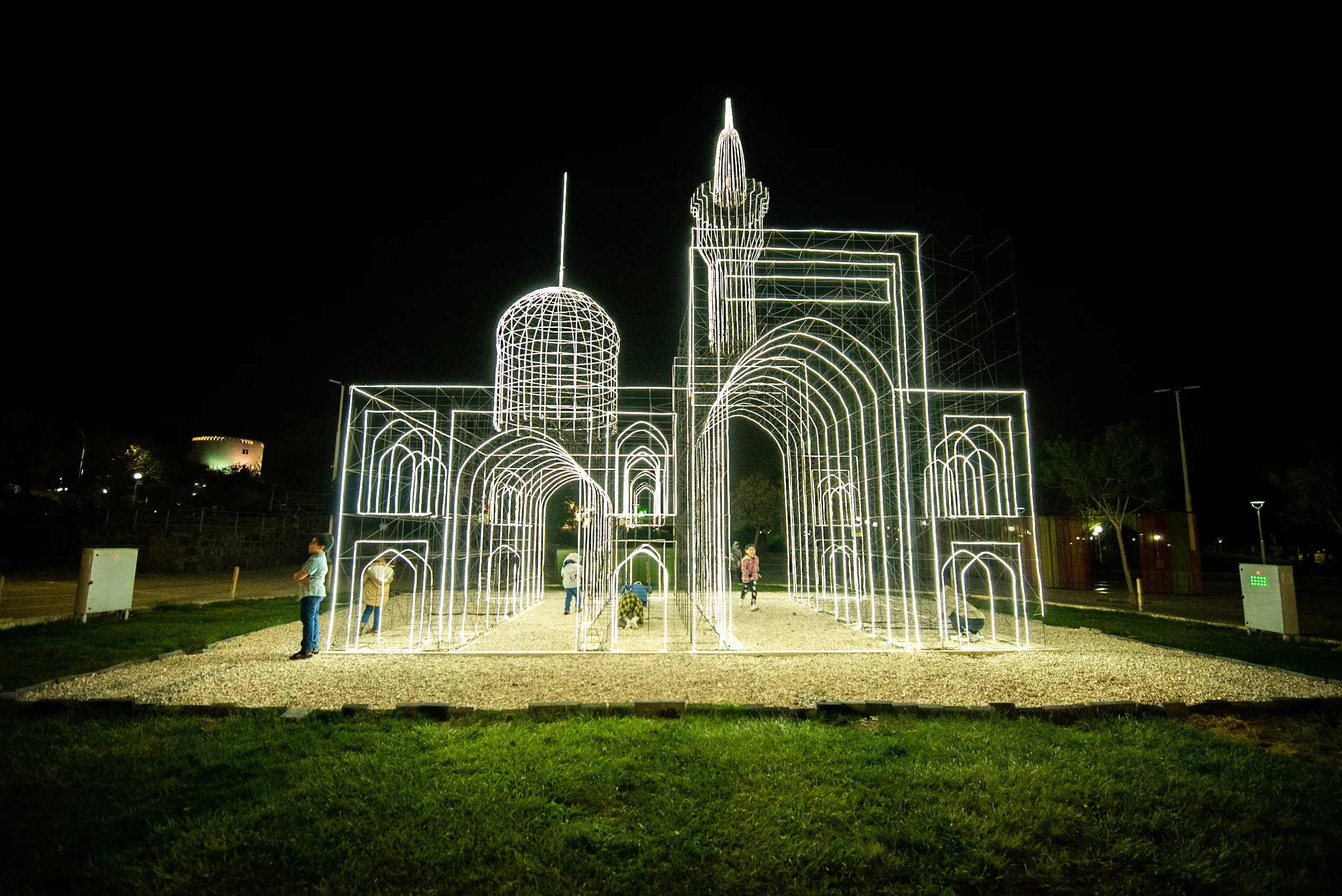
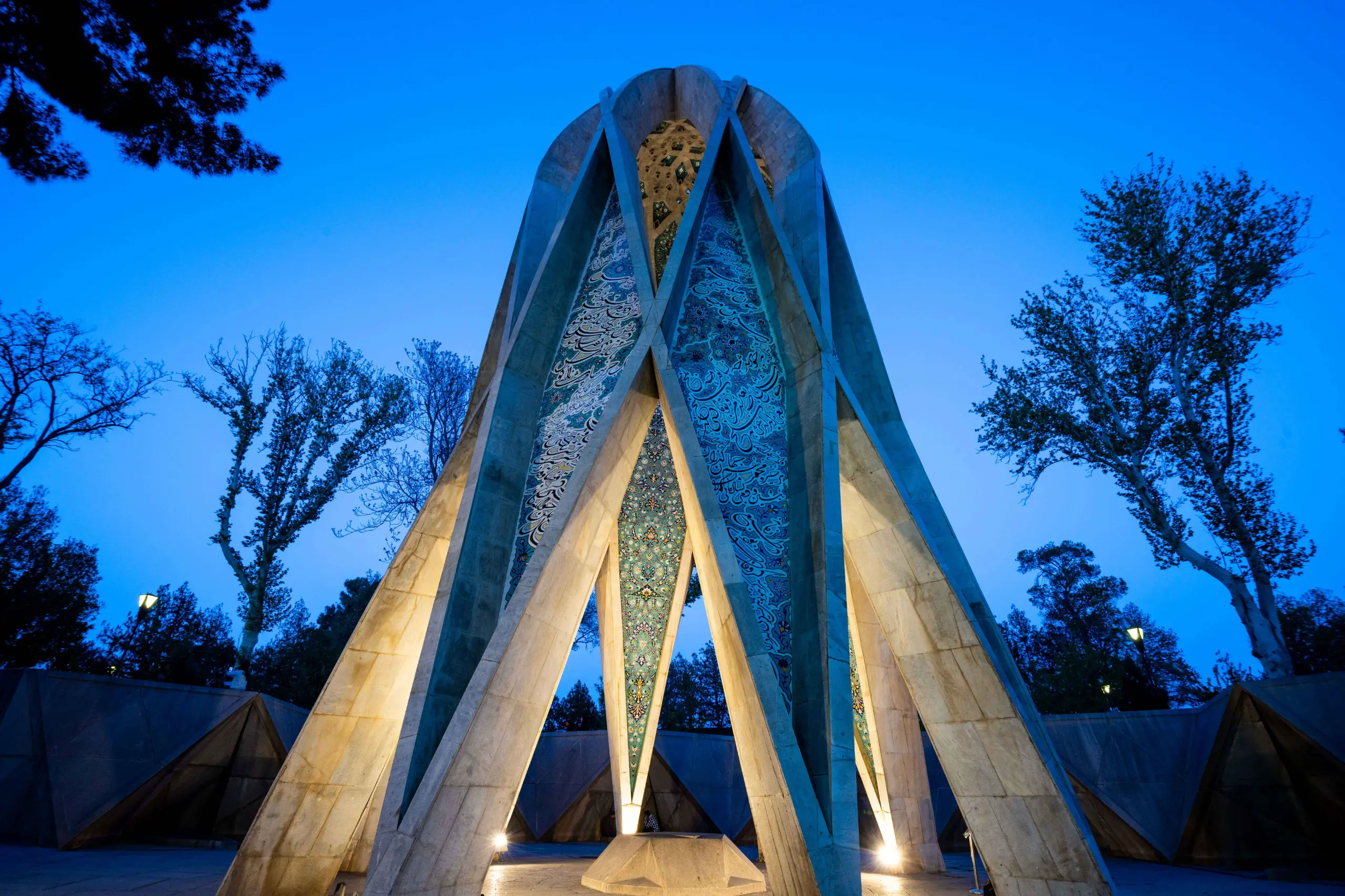
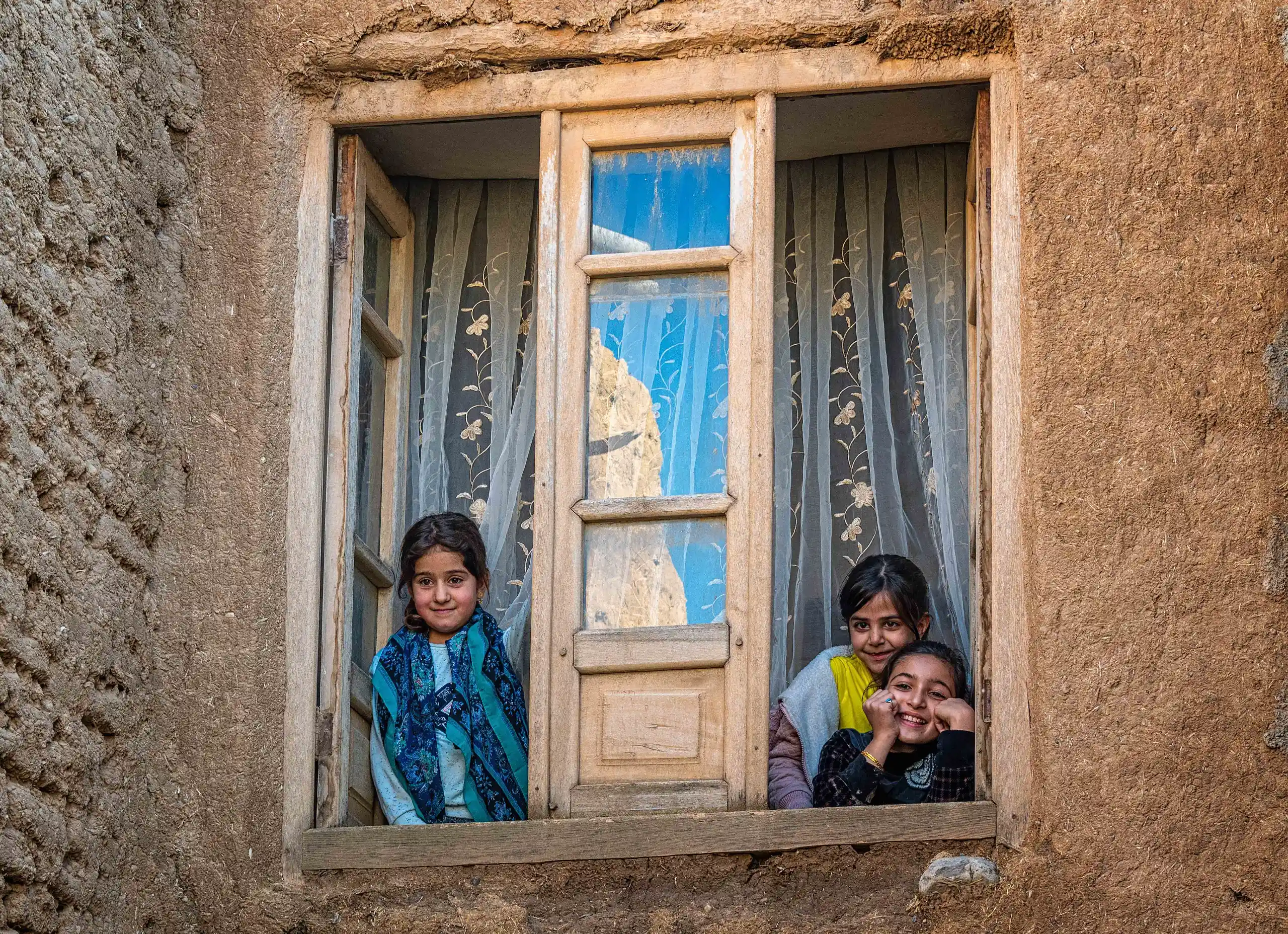
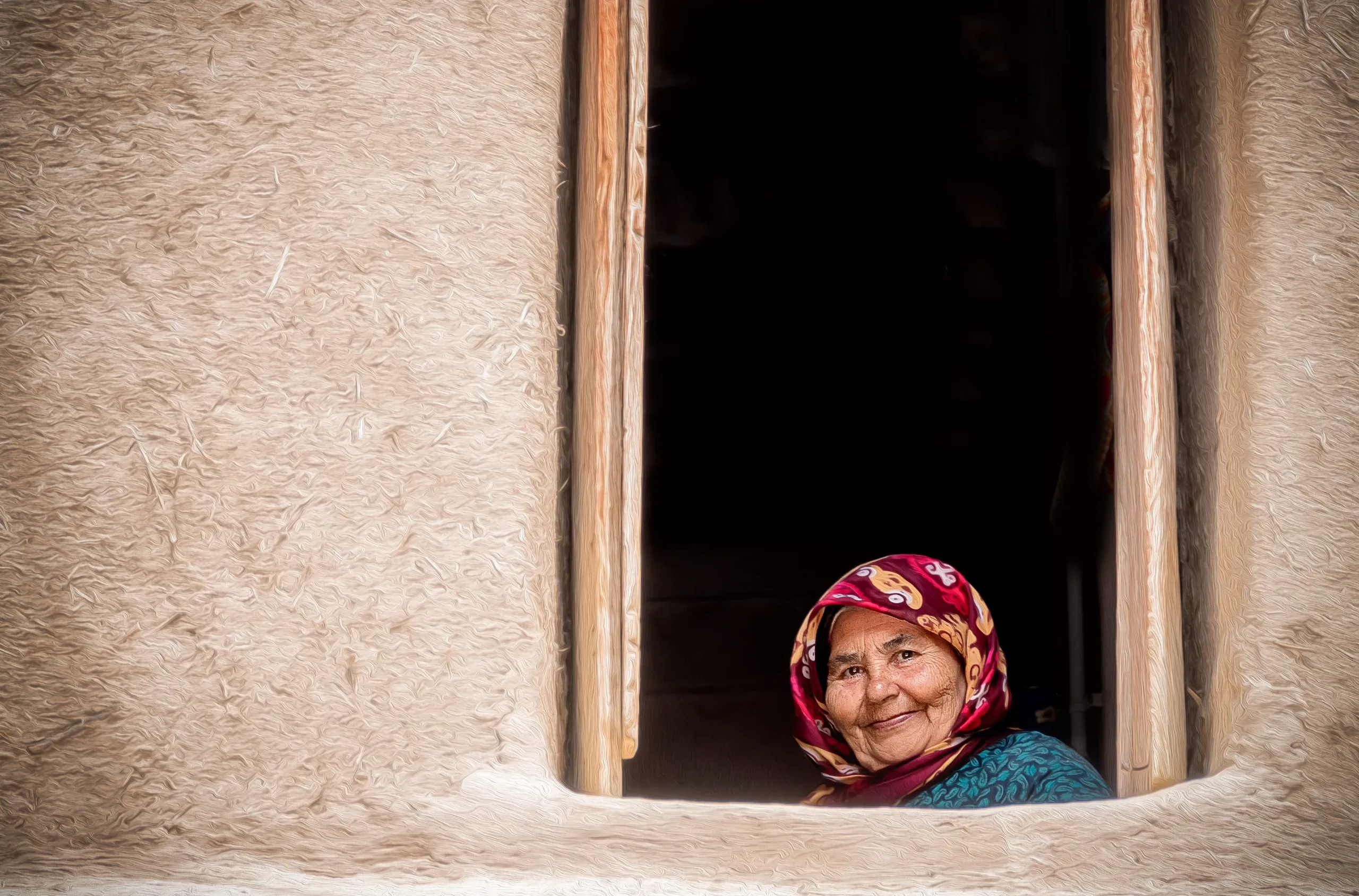
Naein is a historic desert city in Isfahan Province, shaped by centuries of life on the edge of Iran’s Central Desert. This photographic series explores the character of Naein through its historic urban fabric, narrow alleys, earthen architecture, traditional houses, old bazaar, and Jameh Mosque. Built in response to an arid environment, the city reveals an architecture of shade, enclosure, courtyards, windcatchers, and earth—where landscape and everyday life have remained closely connected. Through a documentary perspective, the photographs trace the textures, structures, and quiet spaces of an old Iranian city, preserving a visual record of Naein’s distinctive architectural and cultural identity.

A Stone Garden Born from Drought and Grief
Sirjan, Kerman, Iran
Stone and Mourning: The Legacy of Drought
A silent protest against drought and water mismanagement, Stone and Mourning follows the transformation of a once-flourishing garden into a landscape of dead trees and suspended stones. From intimate details of decay to aerial views of the desert, the series traces the human and environmental cost of a disappearing water supply.
Explore Story →
Close-up of wire and wood connection. Rusted wires are embedded into the dry tree trunk. This image details the method used by Darvish Khan (a deaf farmer) to attach stones to his withered trees.

A stone suspended in the sky. After his garden dried up due to drought, Darvish Khan drilled holes in stones and hung them from branches to replace the lost fruit. This stone serves as a symbol of his protest.
Explore Complete Gallery
Individual plates and standalone studies curated within this collection monograph. Each frame represents an authentic master study.
A Stone Garden Born from Drought and Grief

Close-up of wire and wood connection. Rusted wires are embedded into the dry tree trunk. This image details the method used by Darvish Khan (a deaf farmer) to attach stones to his withered trees.

A stone suspended in the sky. After his garden dried up due to drought, Darvish Khan drilled holes in stones and hung them from branches to replace the lost fruit. This stone serves as a symbol of his protest.

A withered tree standing upright. A single dead tree bearing the weight of multiple stones. This image illustrates the unnatural state of a tree that has been dead for years due to water scarcity but remains standing.

Density of the stone trees. A view showing a cluster of dry trees standing together. This image illustrates the scale of the garden, which was constructed by one man over the course of several decades.

Visitors in the garden. A mother walks with her child among the stone trees. This image depicts the new generation encountering an environment that has become completely arid and stony.

Wide view of the arid ground. This perspective reveals the dry, desert landscape of the Sirjan region. Long shadows cast by the dead trees fall upon soil that is no longer capable of supporting growth.

Darvish Khan’s grave. An aerial view showing the simple tomb of the garden's creator located directly beside his trees. He requested to be buried next to the work he created.


ARCHIVAL FAMILY TREE & ECOSYSTEM