The Suffering We Endure

The Suffering We Endure

Rural villages, Golestan Province, Iran/2024/Social Documentary

Once respected as symbols of courage and javanmardi, traditional pahlevans occupied a distinct place in Iranian communities. Today, that figure has faded, and elements of the tradition survive in public performances where physical endurance and suffering have become part of a spectacle for survival. This documentary series observes one such performance in rural Golestan Province, where pain, faith, spectacle, and livelihood become inseparably intertwined.
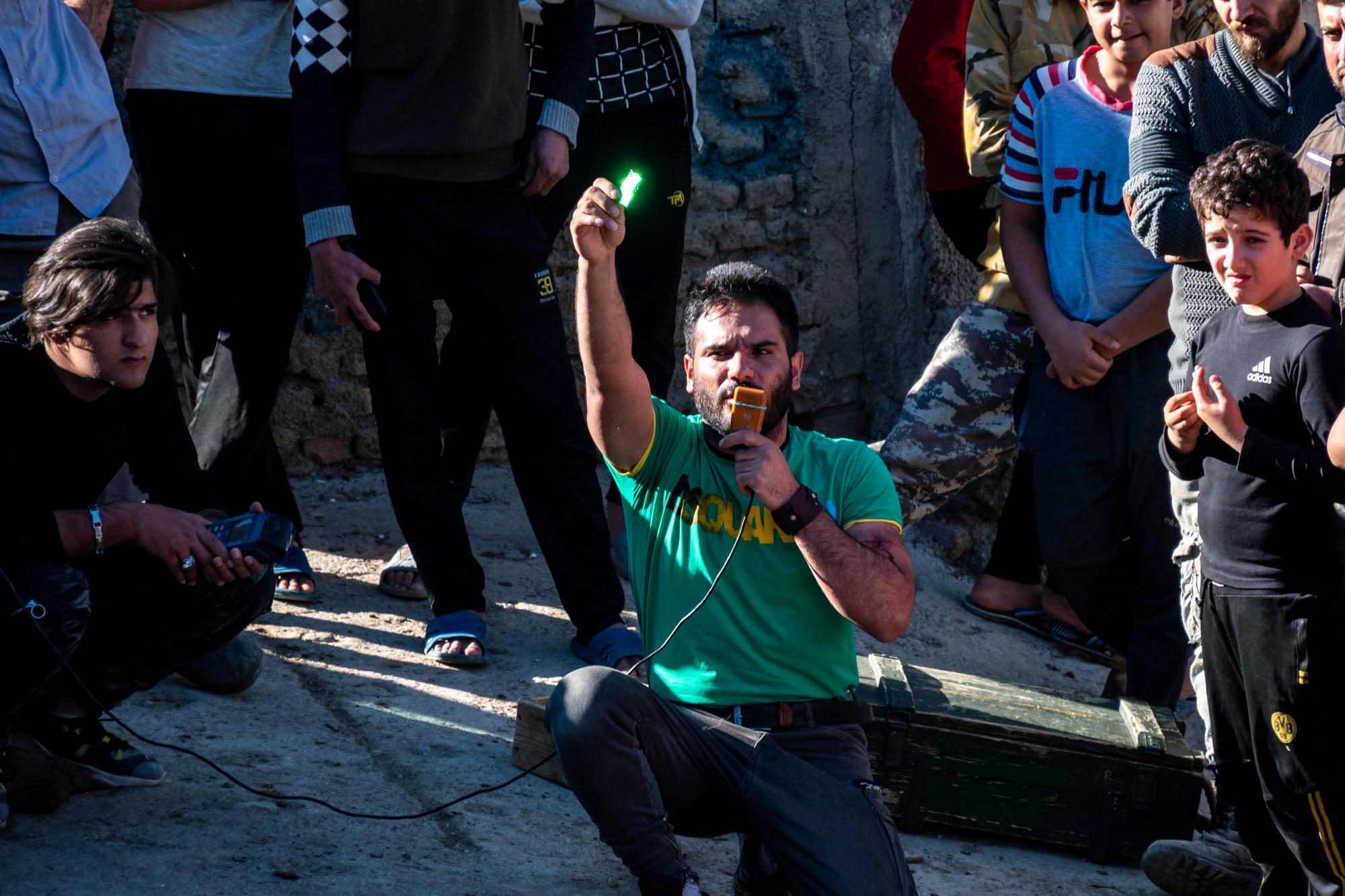
The Amulet

The Amulet

The performer presents a green-cloth prayer amulet and invites the audience to buy it.
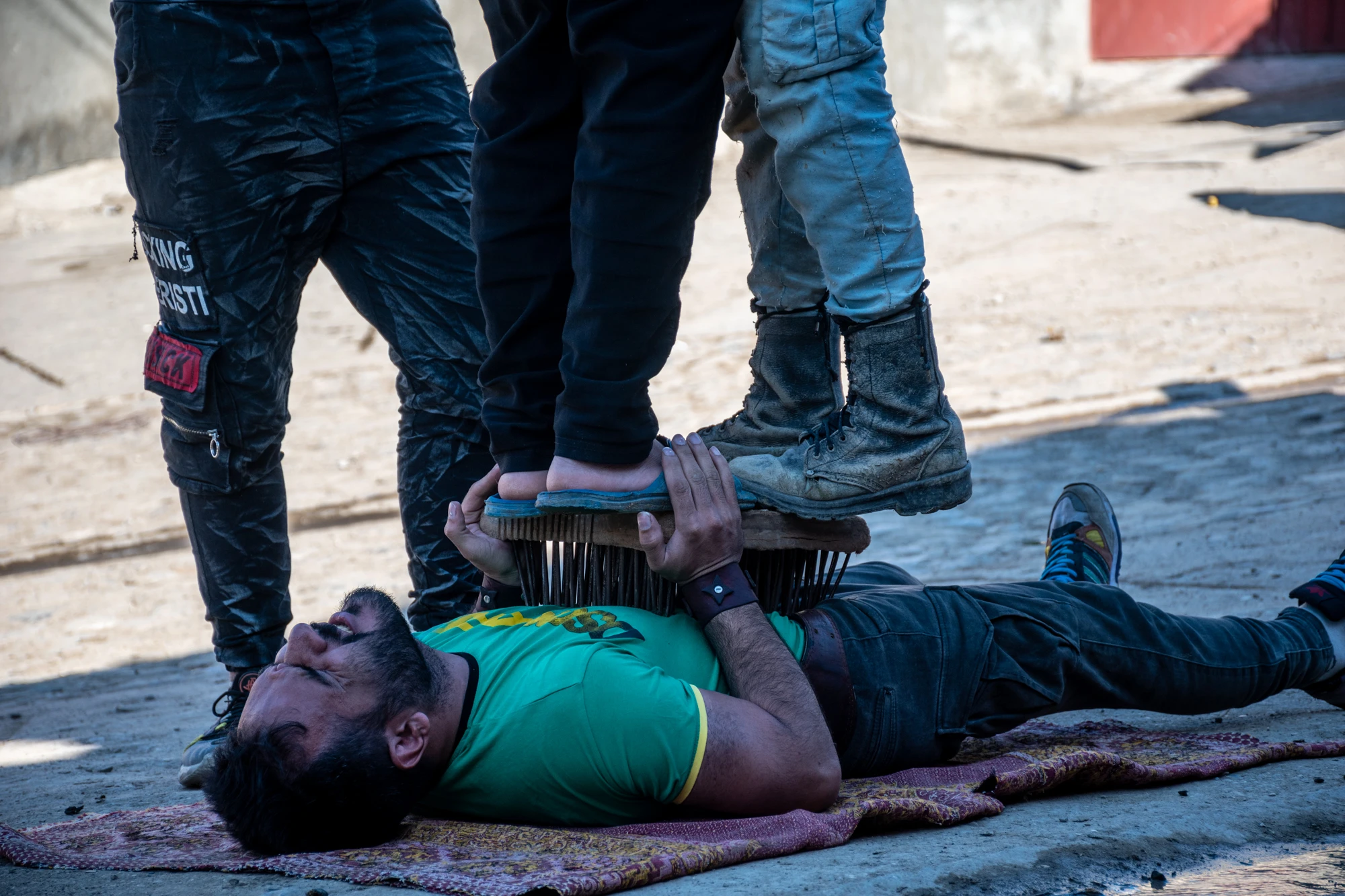
The First Test

The First Test

A wooden board covered with nails is placed on the performer's chest as two young men step onto it.
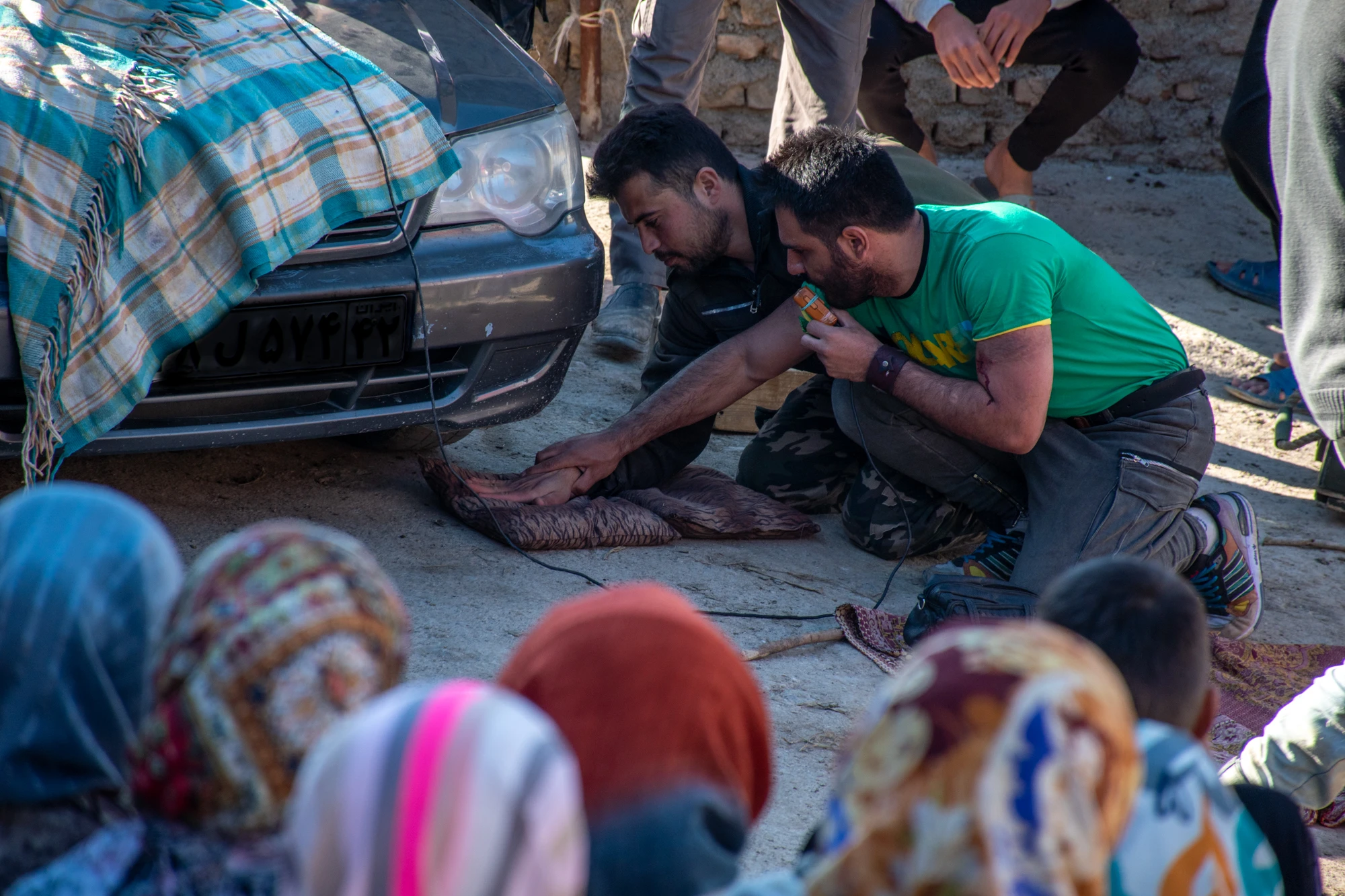
Proof of Protection

Proof of Protection

A spectator places his hand beneath a car wheel to demonstrate the supposed protective power of the prayer.
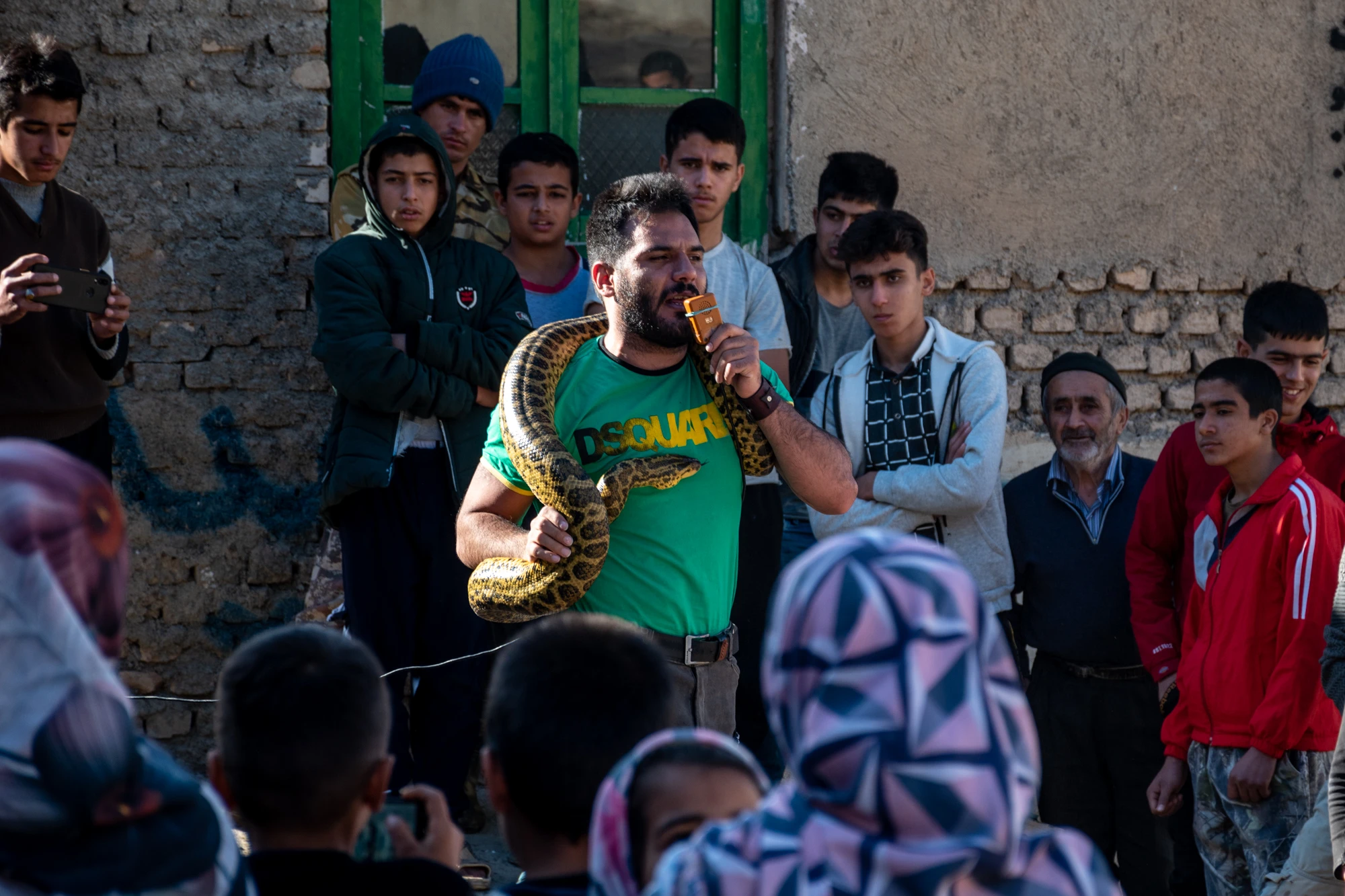
The Snake

The Snake

After unloading his wooden boxes, the performer takes out a snake and places it around his neck.
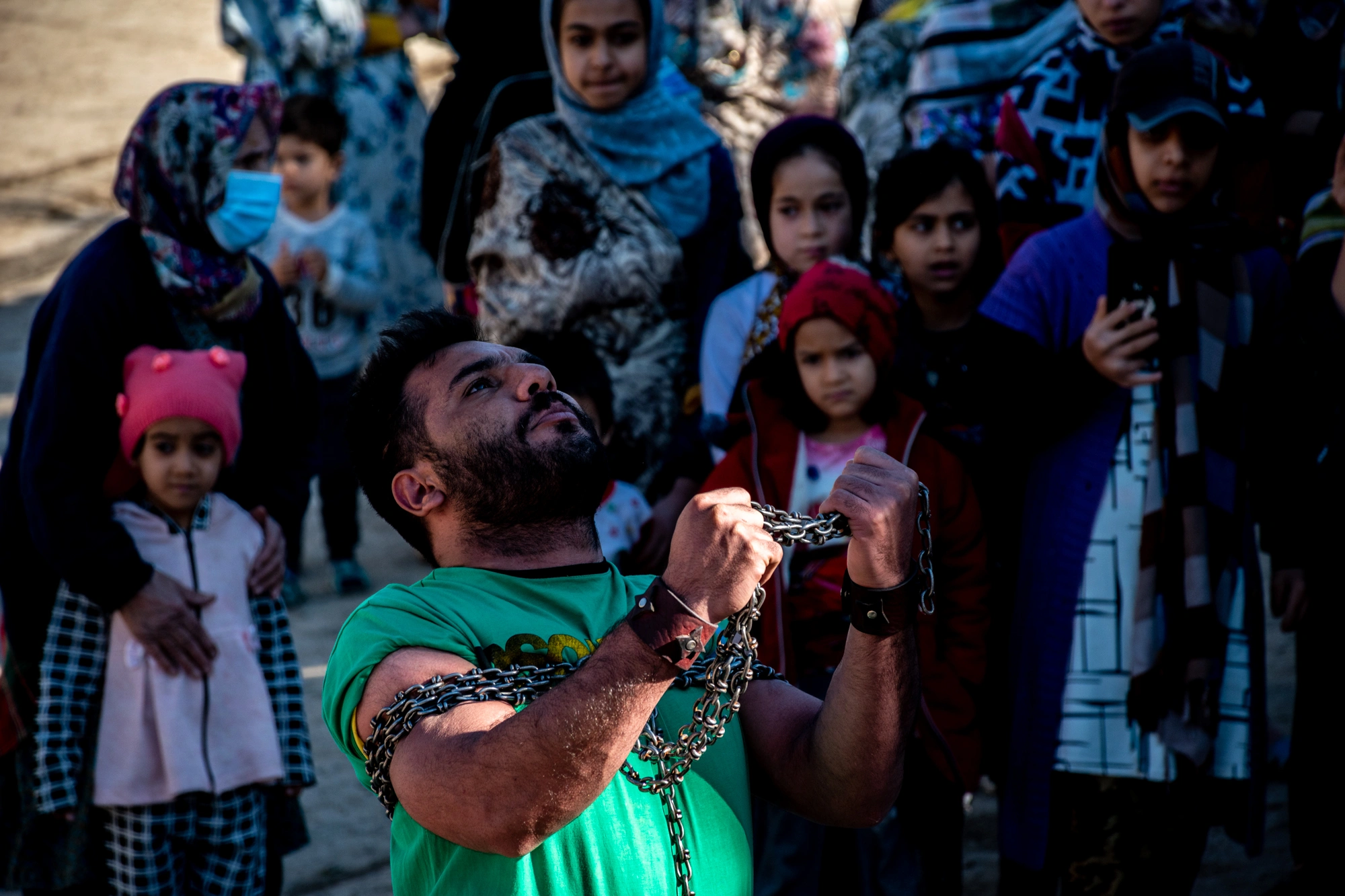
The Struggle Begins

The Struggle Begins

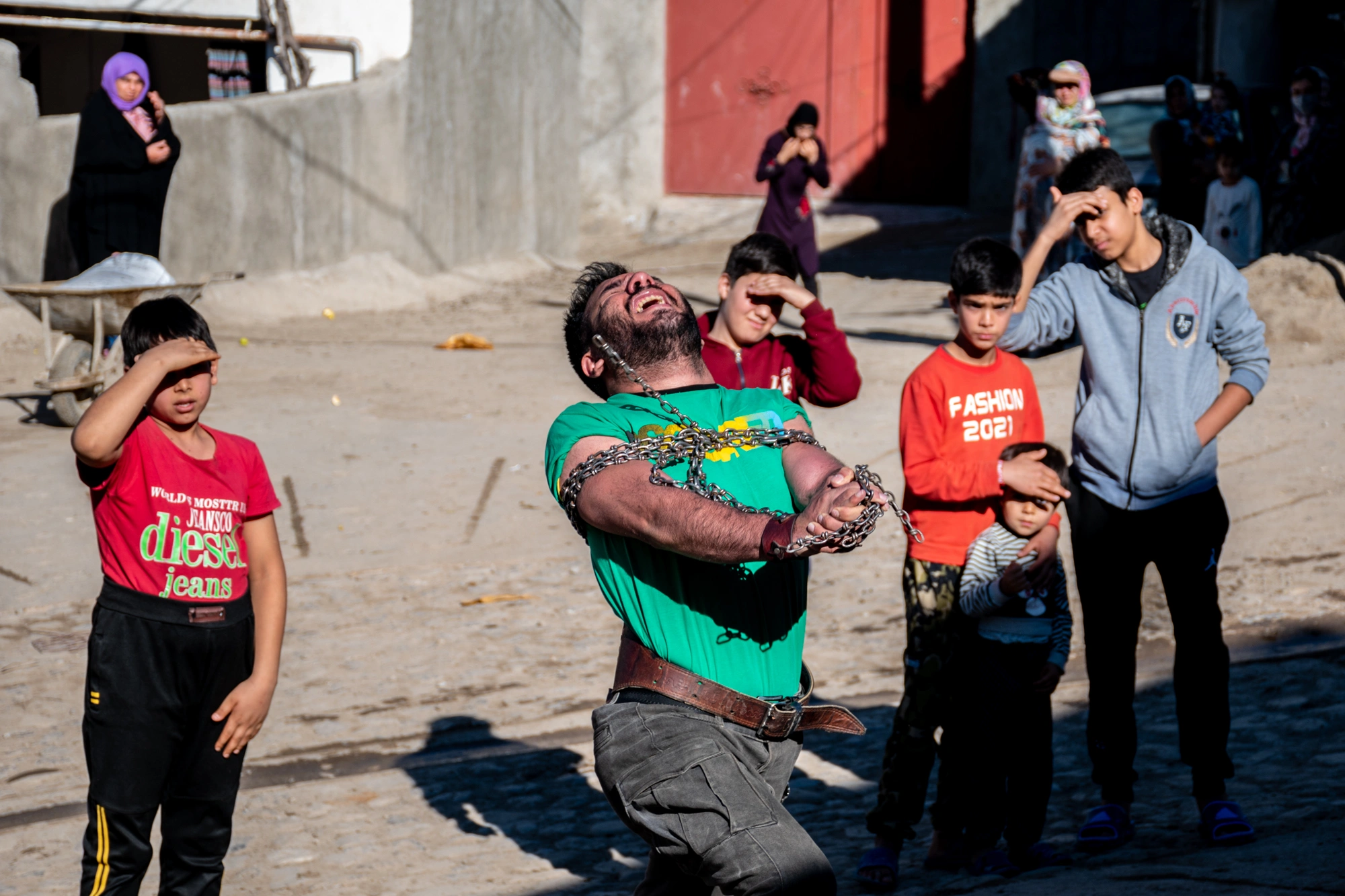
The performer raises his head and strains against the chains, calling upon his strength to break them.
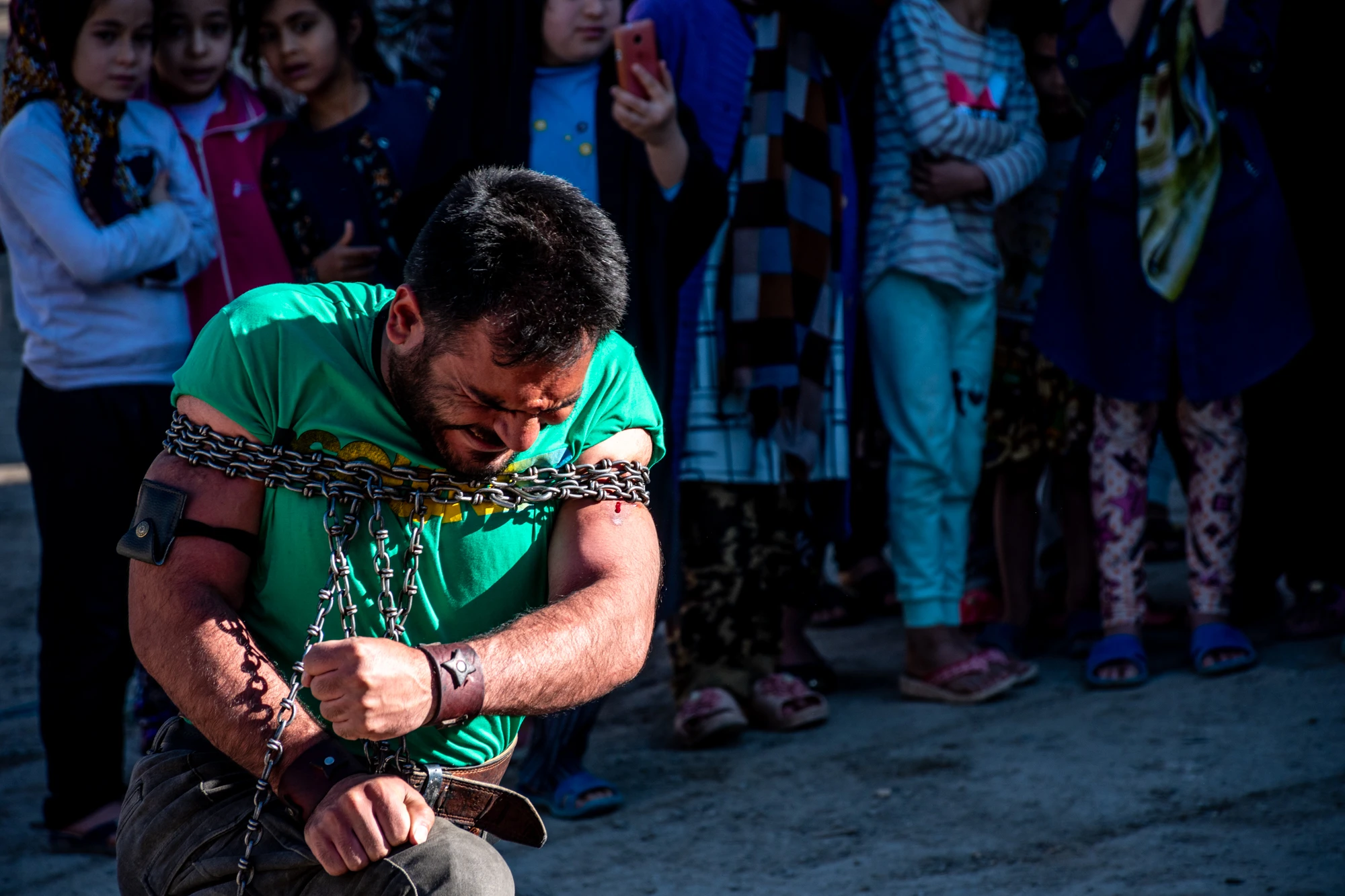
Blood and Strength

Blood and Strength

As he struggles against the chains, blood runs from his arms and falls to the ground.
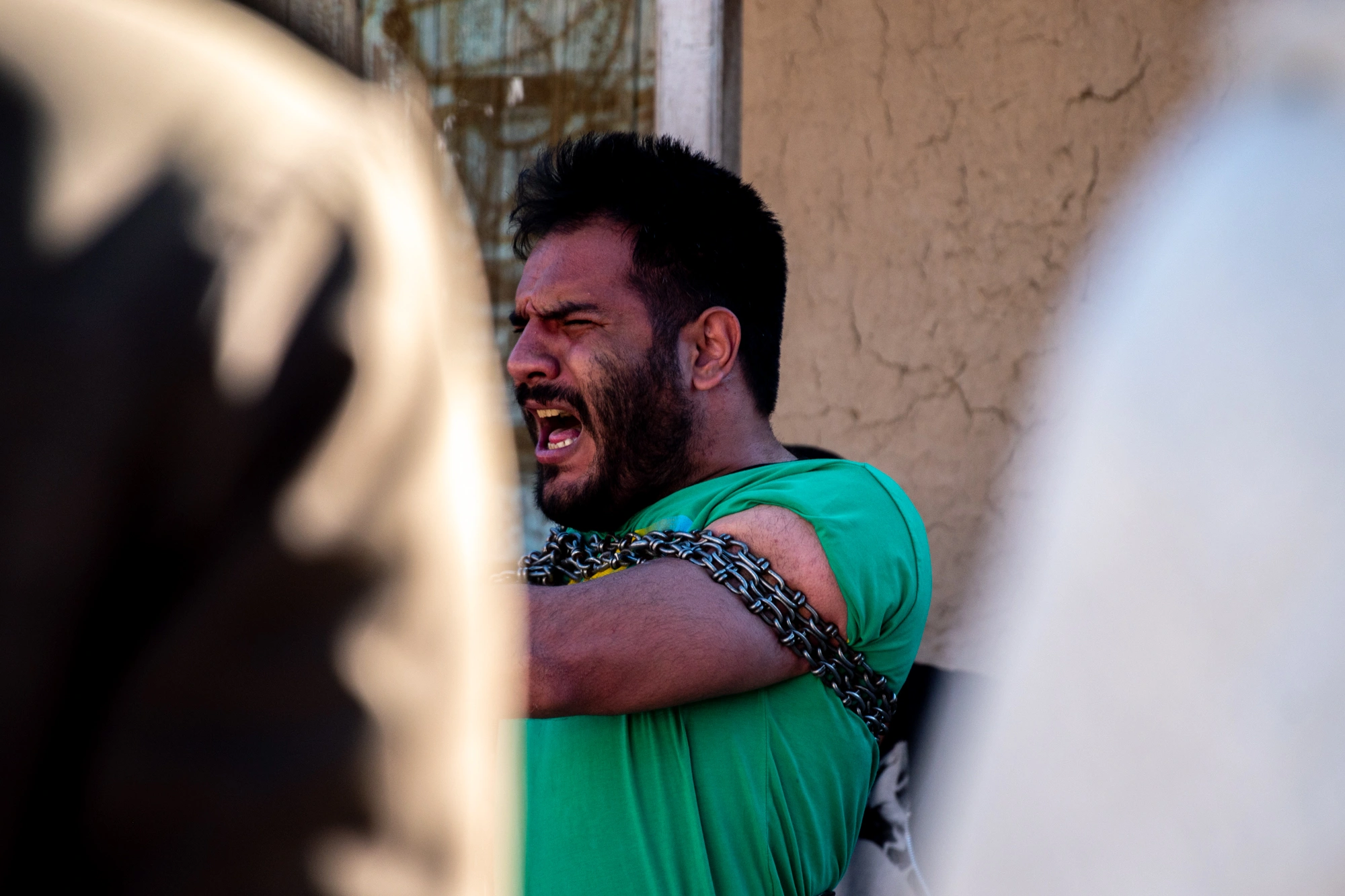
Displaying the Pain

Displaying the Pain

He moves around the performance space, exposing the physical strain of the act from every angle.
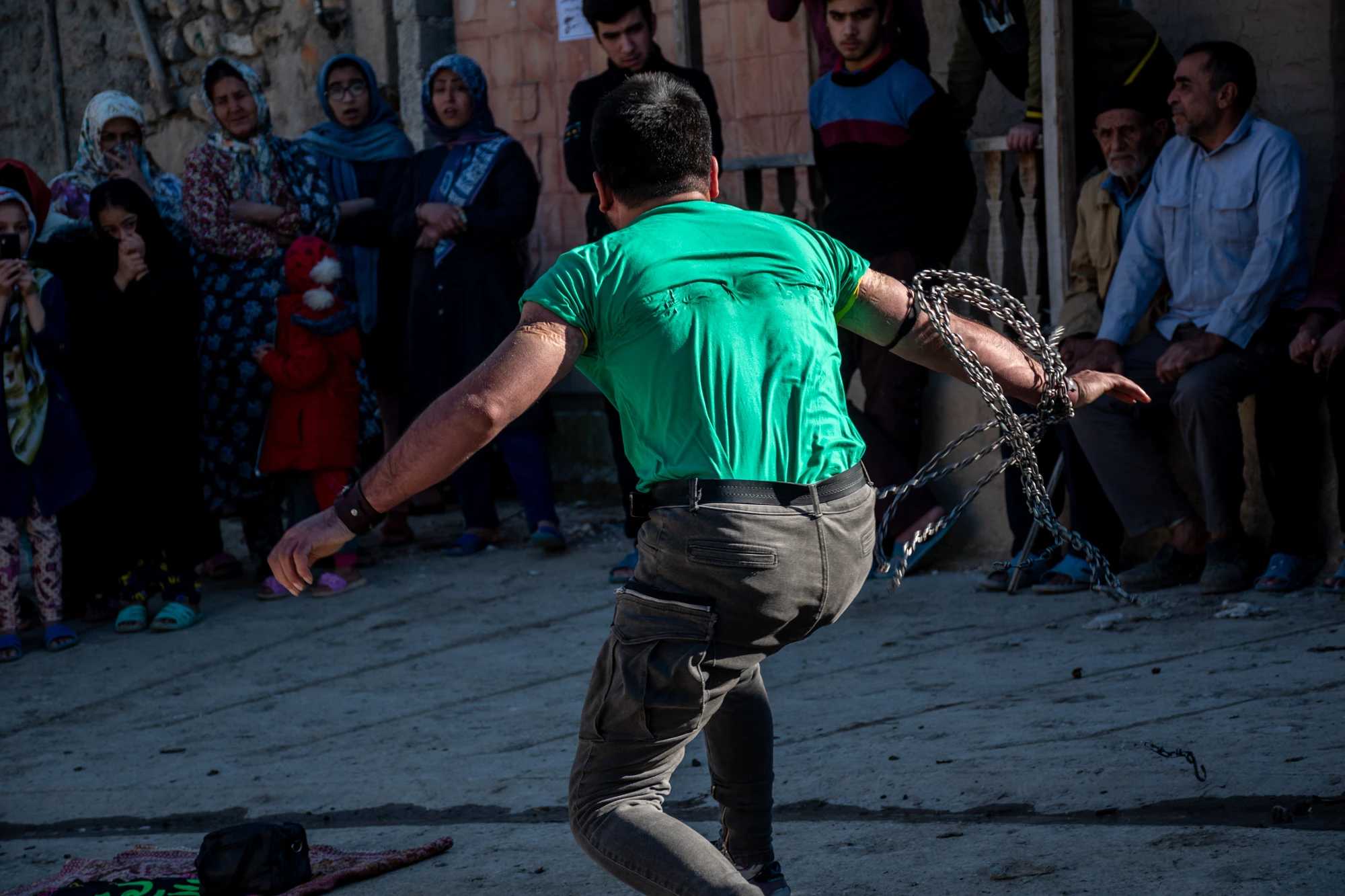
The Final Attempt

The Final Attempt

In a tense final effort, he pulls against the chains as the crowd watches in anticipation.
After the Break

After the Break

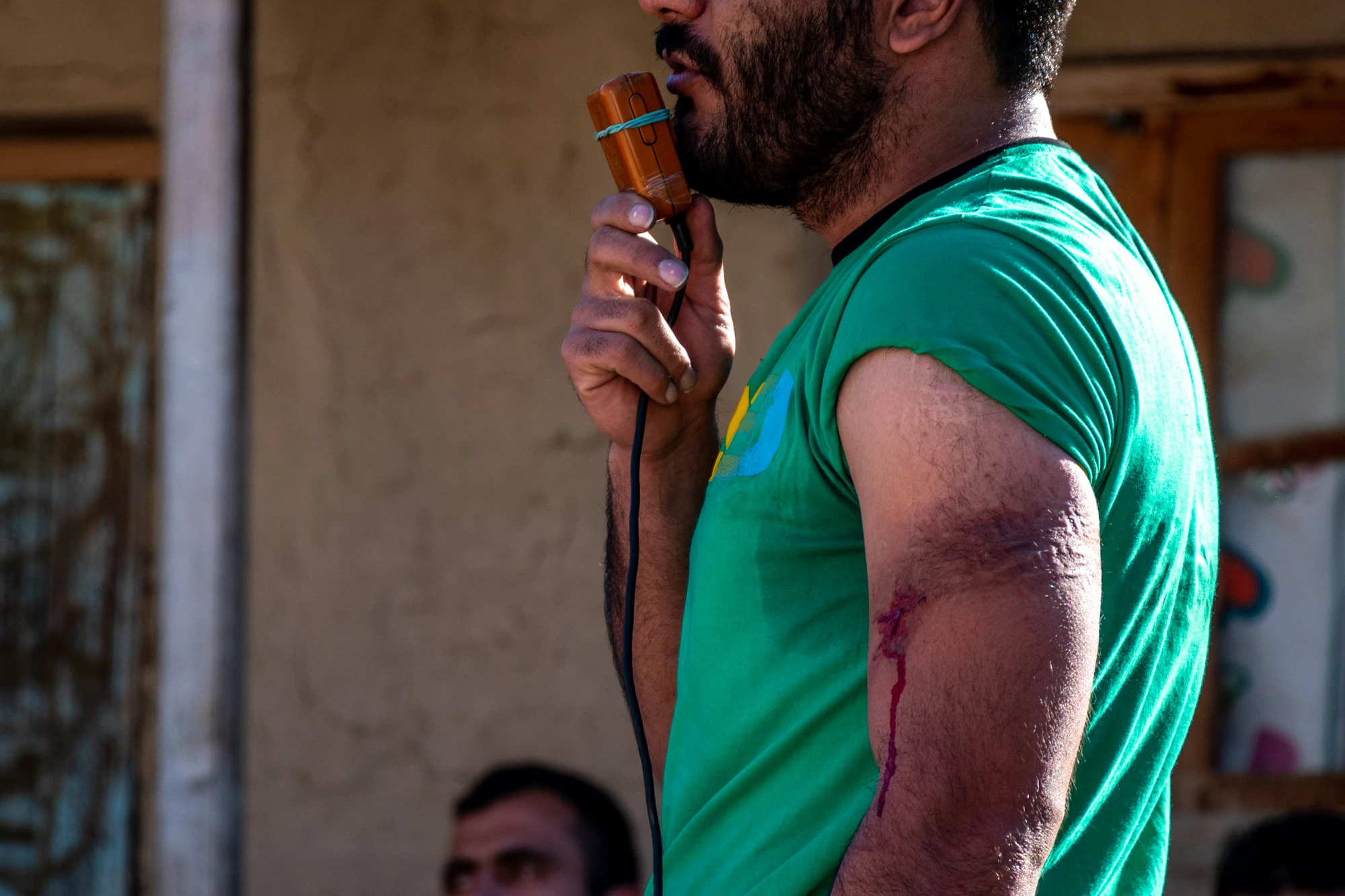
With blood still running from his arms, the performer asks the audience for whatever they can afford to give.
A Blessing

A Blessing

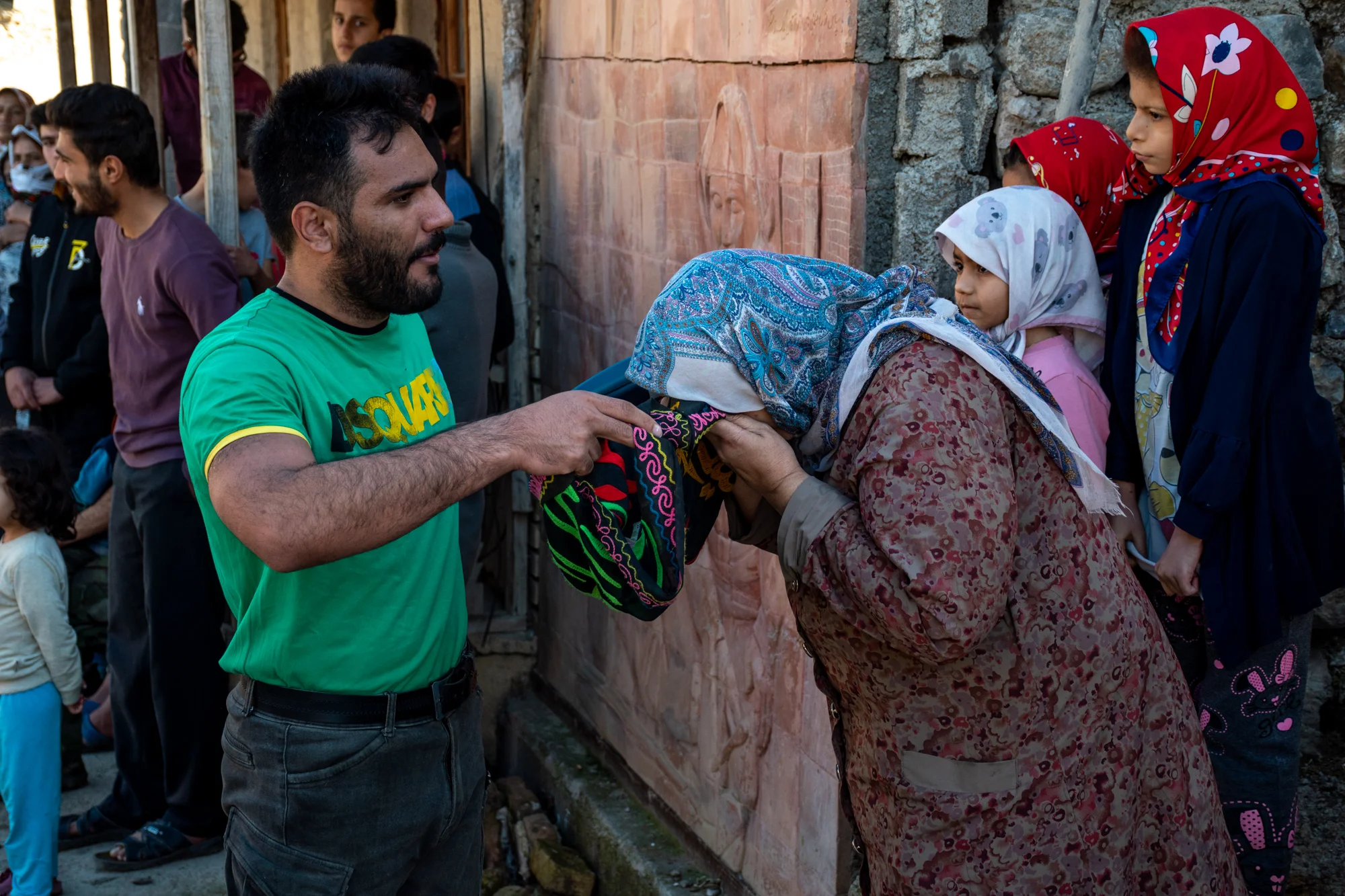
Those who contribute money are invited to receive a blessing from the religious flag.

Narrative Statement

The era in which the pahlevan held a distinct place in Iranian society has gradually passed. Once known for courage, generosity, and javanmardi—a tradition of chivalry and moral responsibility—the pahlevan was respected in every town and neighborhood. Their reputation carried enough weight that, as the saying goes, a pahlevan could even use the honor of his moustache as a guarantee to secure the release of a prisoner. Today, that tradition has faded, and in some places it has been reduced to a performance undertaken simply to earn a living. Marakeh-giri is a traditional form of public entertainment in which a marakeh-gir gathers a crowd around an open performance and demonstrates acts of physical strength and endurance. These may include breaking chains, smashing stones, handling venomous snakes, or performing other feats designed to astonish the audience. The greater the suffering appears, the more compelling the spectacle can become. Through physical endurance, theatrical performance, persuasive speech, and the use of religious themes, the performer appeals to the emotions of an audience that is often drawn from economically vulnerable communities. The performance becomes not only entertainment, but also a means of generating income. This series was photographed from a documentary perspective during one such marakeh-giri performance in the villages of Golestan Province, northern Iran. The photographs follow the gradual construction of the spectacle: the display of prayer amulets, the handling of a snake, the testing of chains, and finally the physical struggle to break them. Religious symbols and invocations become part of the performance, while pain itself becomes visible evidence of endurance. At the center of the performance, the marakeh-gir places a wooden board embedded with nails against his chest and invites two young spectators to stand on it. In another demonstration, the hand of a spectator who has purchased one of the performer's prayer papers is placed beneath a car wheel. The car passes over the hand without apparent injury, which the performer presents as evidence of the prayer's protective power. The performance reaches its physical climax with the chains. The performer strains against them, his face becoming increasingly tense as the crowd falls silent. Blood begins to run from his arms as he continues. He circles the performance space, allowing the audience to see the physical consequences of his effort. At a critical moment, he turns toward a religious flag and invokes Abu al-Fadl al-Abbas, seeking strength and protection through his faith. The chain is eventually broken. Immediately afterward, with blood still running from his arms, the performer asks the audience for whatever amount of money they can give. A card reader is also part of the scene. The performance ends, and the equipment is packed away. Yet what remains is more than a display of physical strength. The layers of spectacle—pain, faith, persuasion, entertainment, and economic necessity—reveal a changing form of an old tradition. This series looks at the space between the legendary figure of the pahlevan and the contemporary marakeh-gir: between chivalry and survival, between belief and performance, and between suffering as spectacle and suffering as a means of making a living.

— Mohammad Ataei

Continue the Journey

3 Stories Available — Scroll or use arrows to explore