Above the Darkness
Golestan Province, Azadshahr, Iran/2025/Documentary
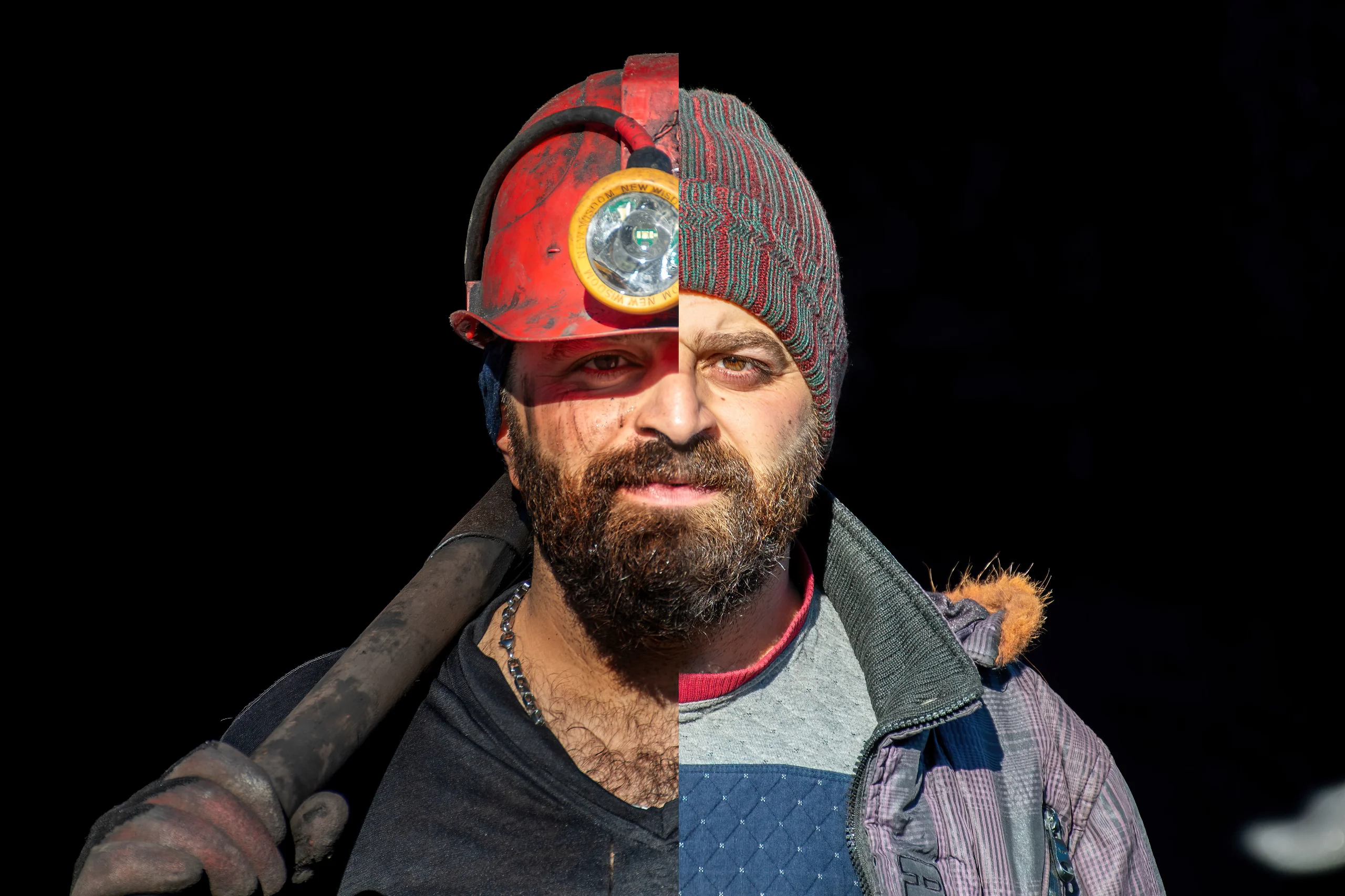
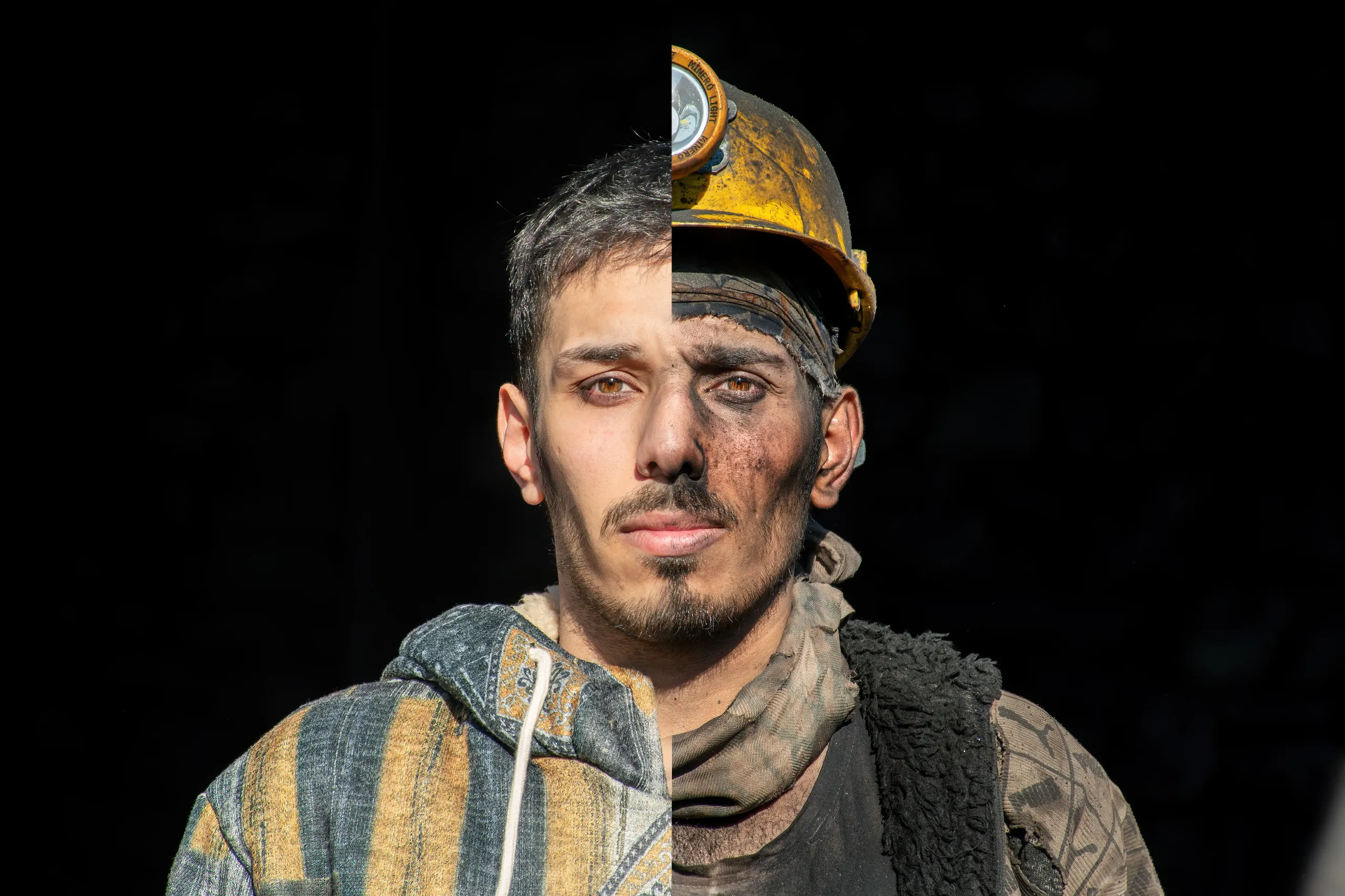
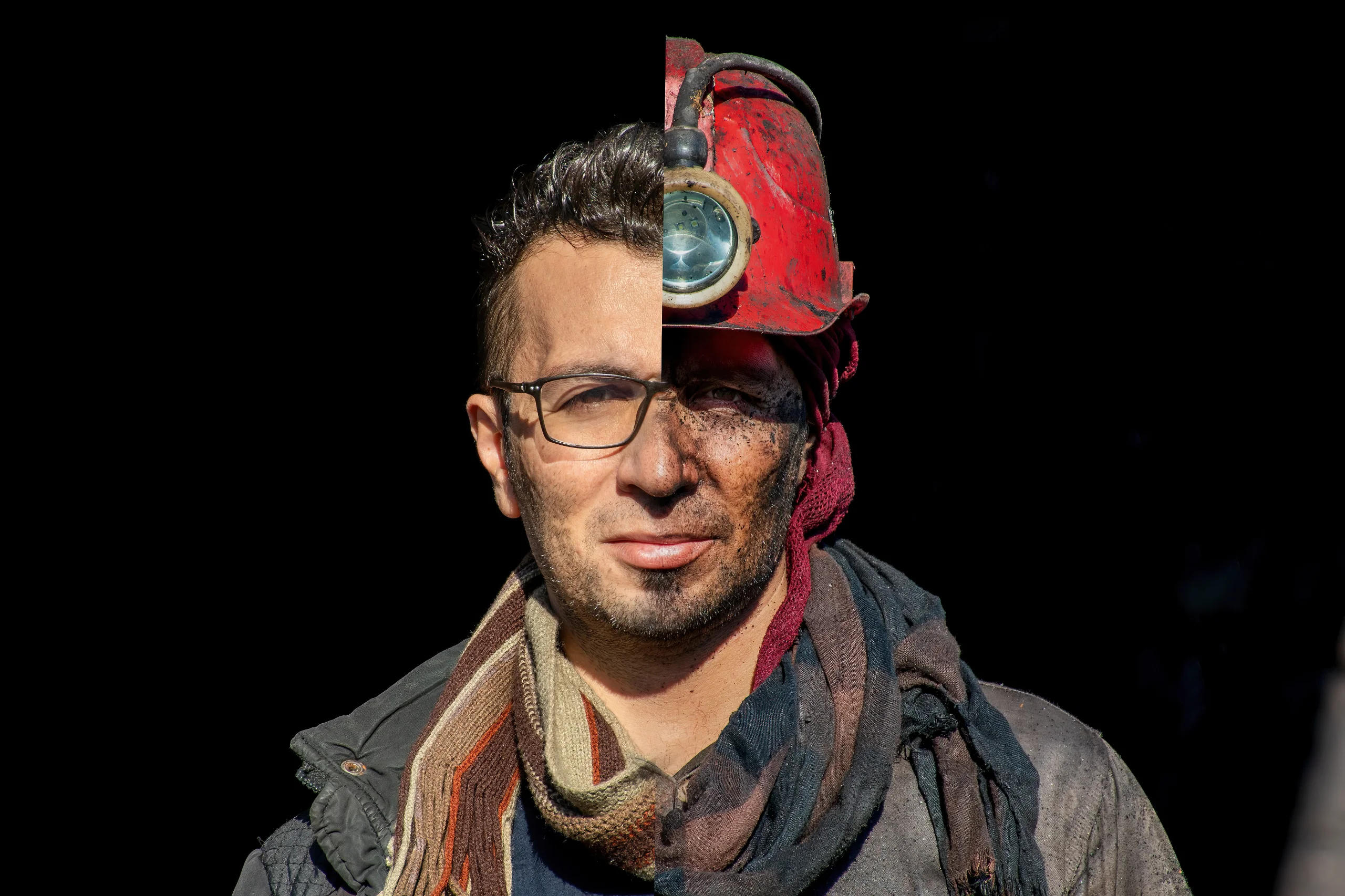
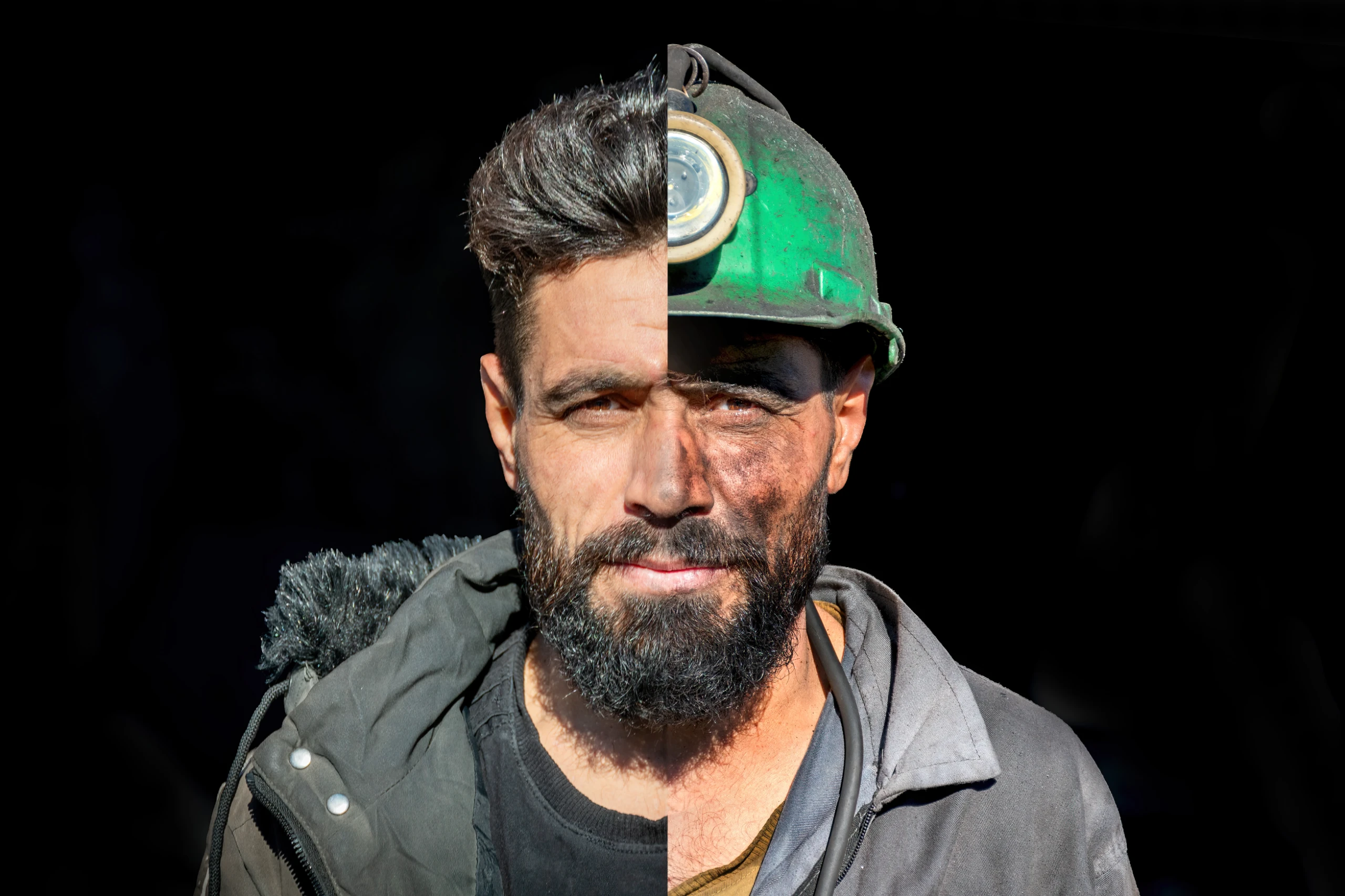
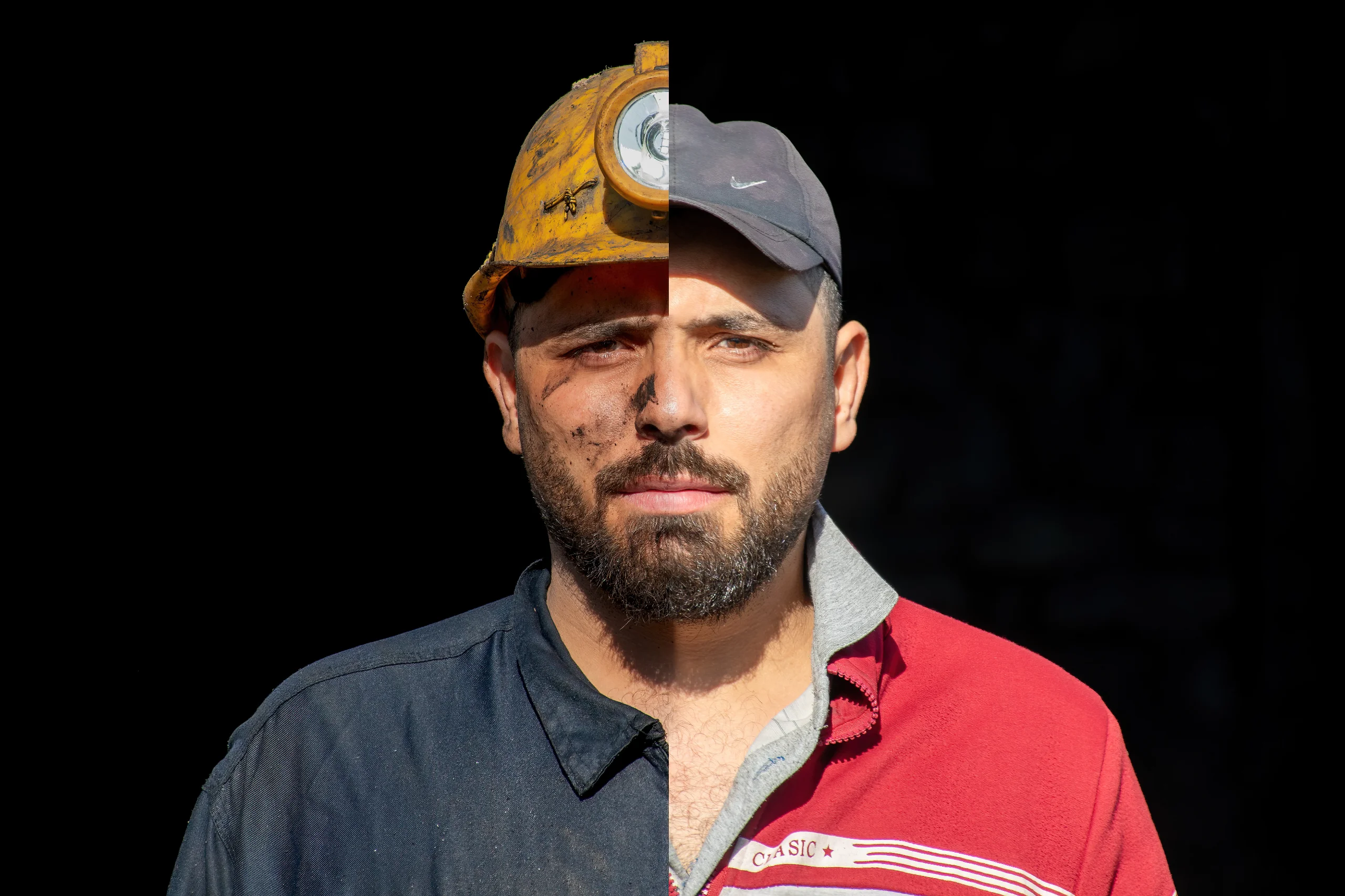
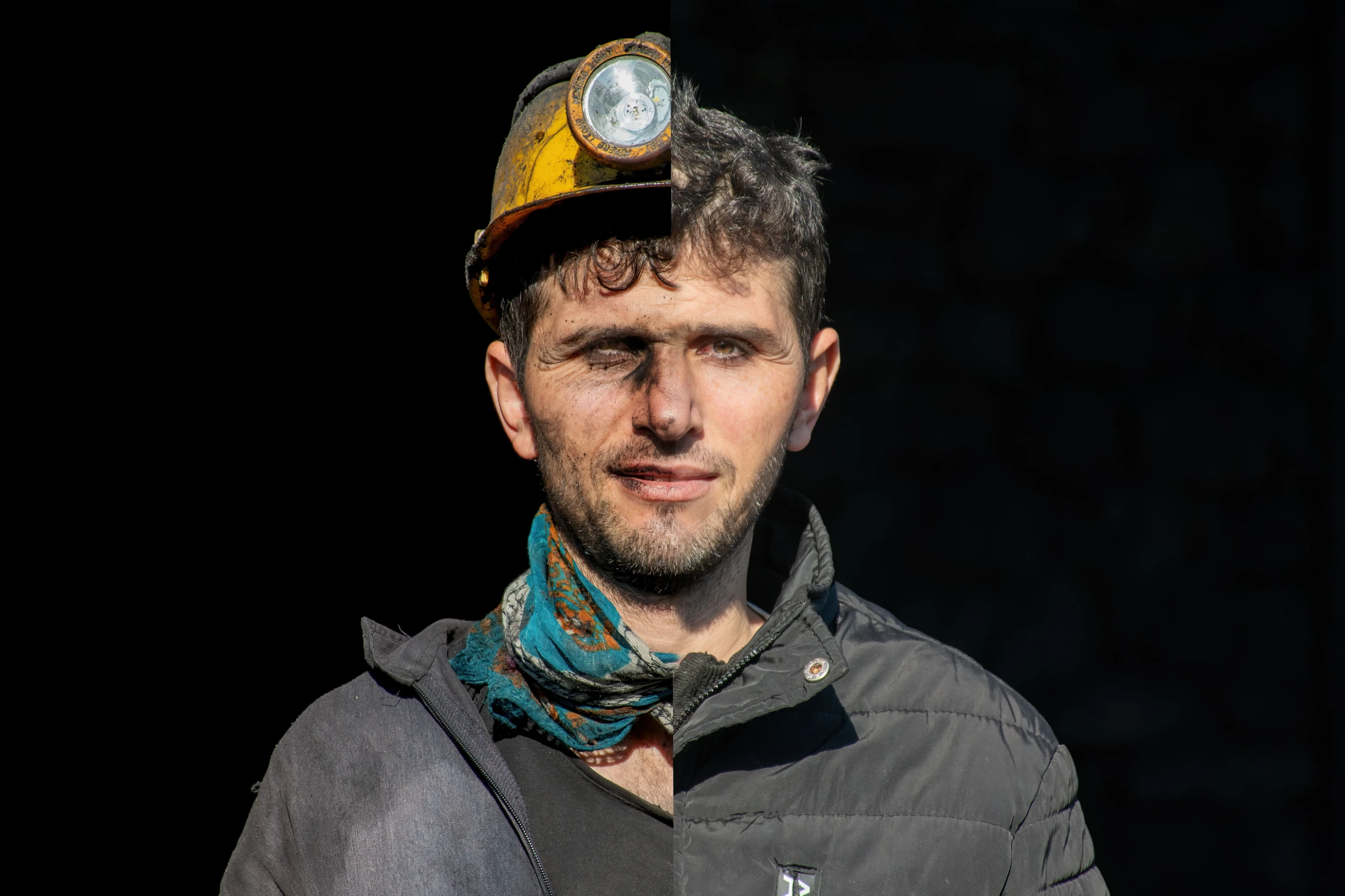
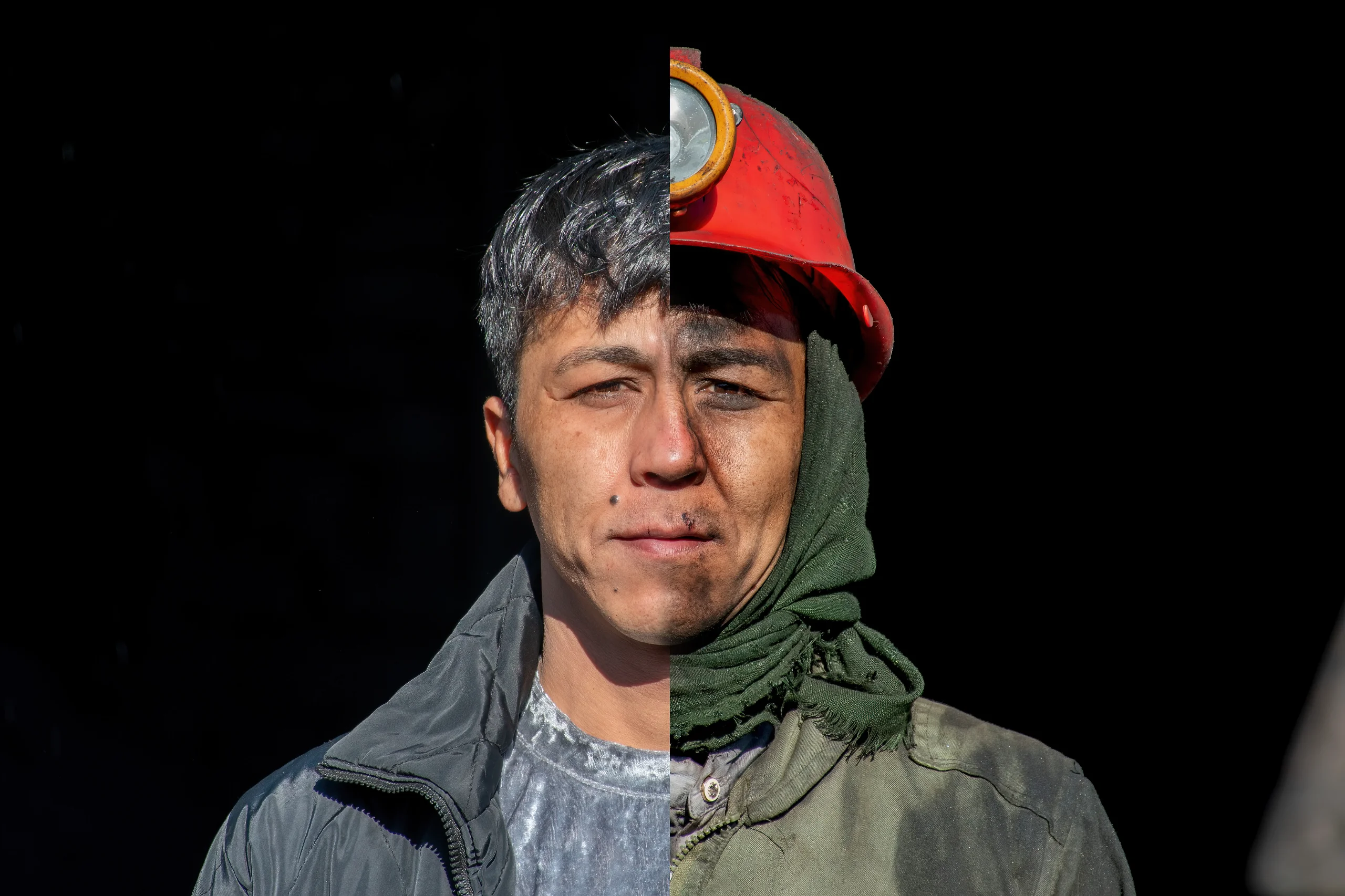
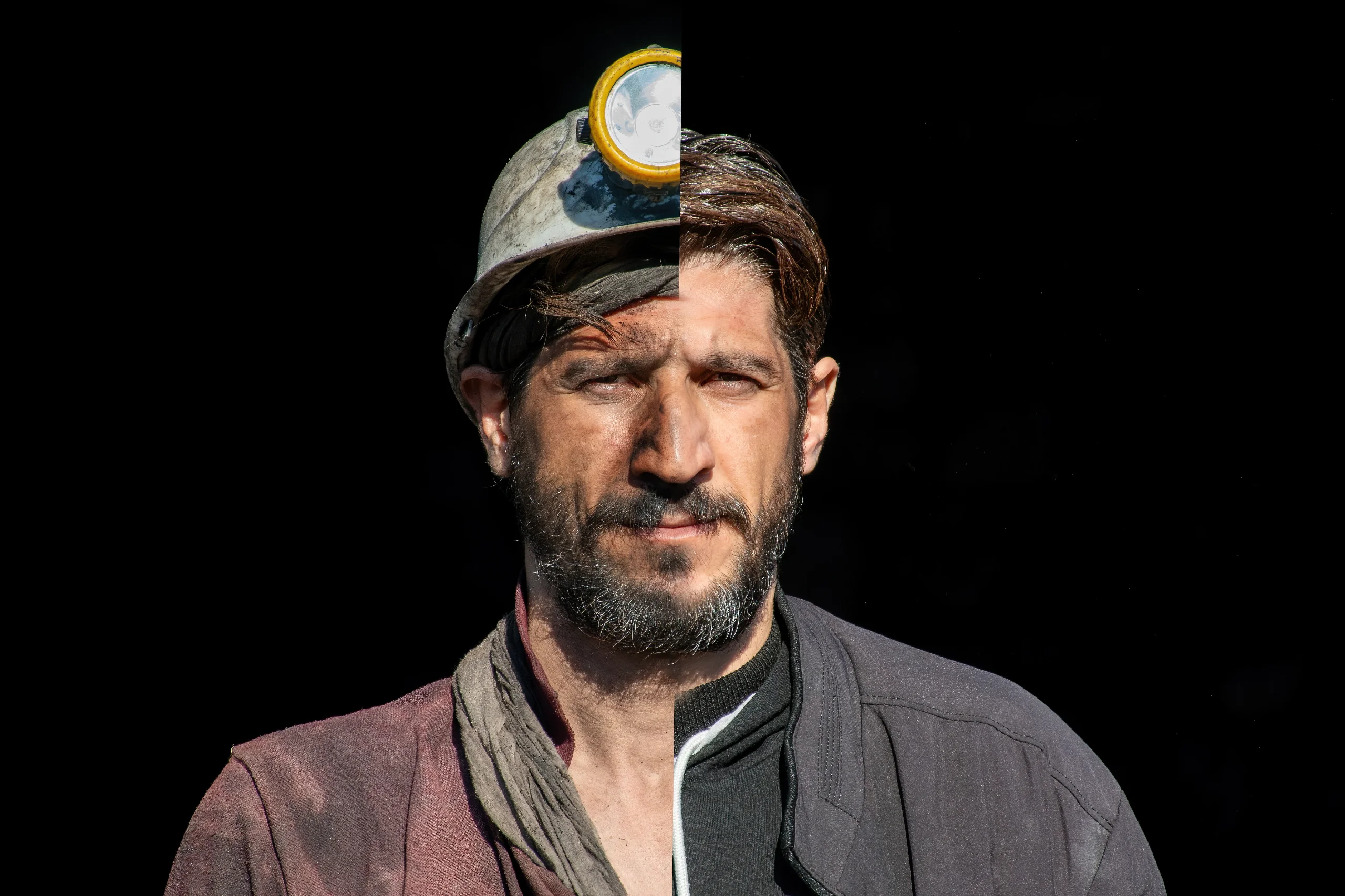
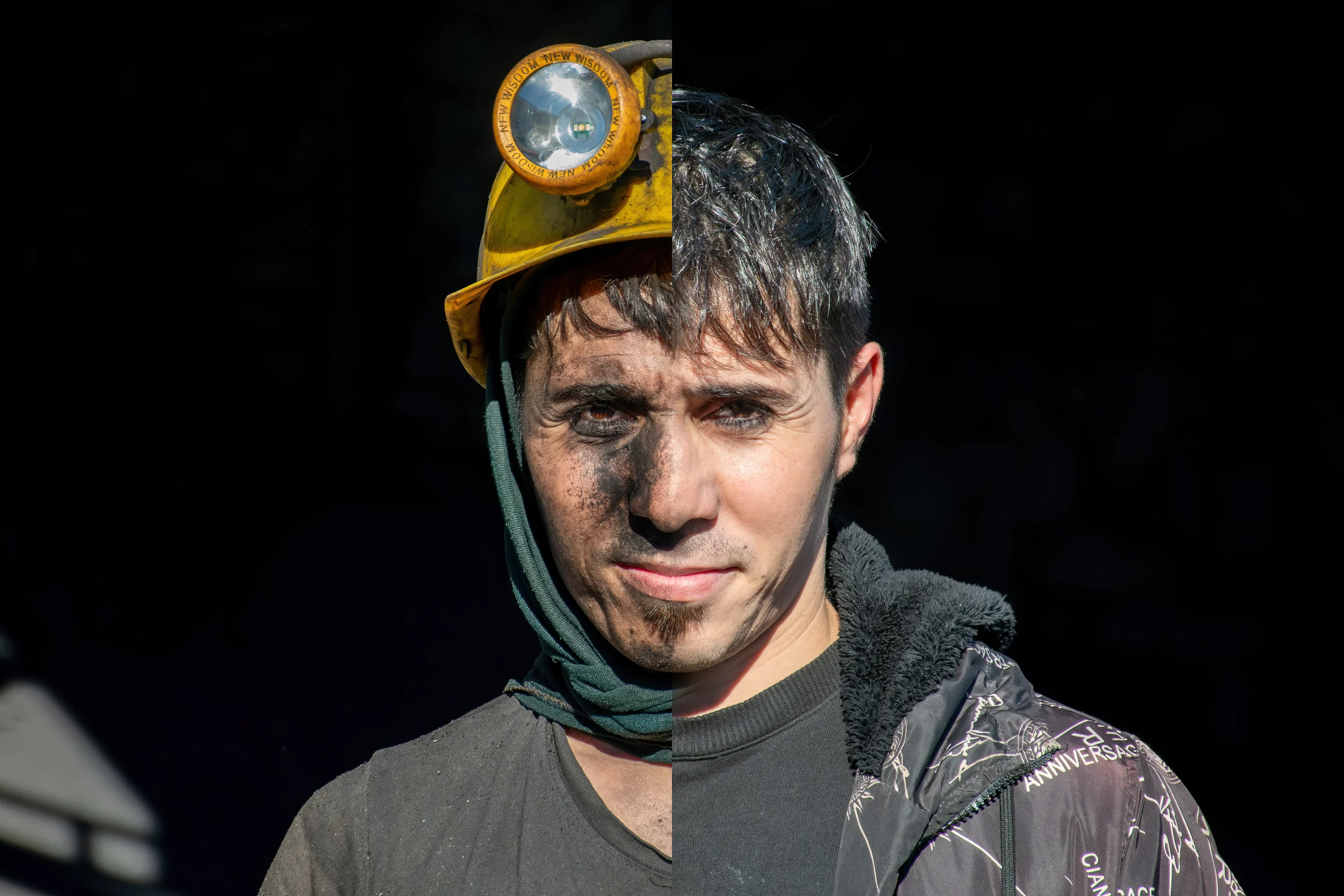
Coal mining has long served as a vital energy source, yet in Iran's Golestan province, it represents both economic necessity and immense physical peril. Following recurring droughts that devastated local agriculture, miners face grueling conditions and insufficient wages to sustain their families. This photographic series captures the juxtaposition of soot-covered faces and hopeful livelihoods, serving as a tribute to the miners of Azadshahr and honoring the memory of those lost in past tragedies.
Narrative Statement
Coal is one of humanity's earliest fossil fuels and remains a cornerstone of energy production. Utilizing modern technology and mechanized extraction can enhance workplace safety, productivity, and profitability in this sector. However, the lack of a structured mining strategy in Iran has diminished investment appeal, particularly within coal mining.
Despite possessing the largest coal reserves in the Middle East, Iran relies on Golestan province to supply 15 percent of its national coal demand, employing over a thousand workers in the region's mines. Given its geographic position, Golestan presents strong potential for mining investment. In recent years, severe droughts have severely impacted local farmers and destroyed numerous jobs, making mining development a crucial driver for sustainable employment if properly supported by modernized infrastructure and financial facilities.
Working in these mines is notoriously difficult, carrying high rates of injury and mortality. Miners endure chemical exposure, dust, hazardous gases, noise, and extreme temperatures, frequently developing chronic illnesses. Despite inadequate wages, benefits, and working conditions, they persevere with soot-stained faces to secure a livelihood. With proper government backing and financial assistance, the coal industry could significantly stimulate national economic growth.
This photography project portrays the precarious reality of Golestan's mines and the struggle between dark hardship and bright hope. Created as a tribute to the 43 miners who lost their lives at the Yort-e Zemestan mine in Azadshahr—none of whom were ever photographed individually—the series uses a composite format. Two frames of each miner, taken before and after their shift in an Azadshahr mine, are manually blended in Photoshop without adding or removing elements, entirely avoiding artificial intelligence.
— Mohammad Ataei
Continue the Journey
3 Stories Available — Scroll or use arrows to explore