Once, There Was a Sea...
Once a vital waterway connected to the Caspian Sea, Gorgan Bay is facing a dramatic retreat of its waters. Fishing boats now lie stranded, piers stand above exposed mud and salt, and infrastructure built for a living shoreline has been left behind. Photographed across the southern and eastern shores of the bay in 2023, this series documents a landscape in transition and preserves a record of what may disappear.
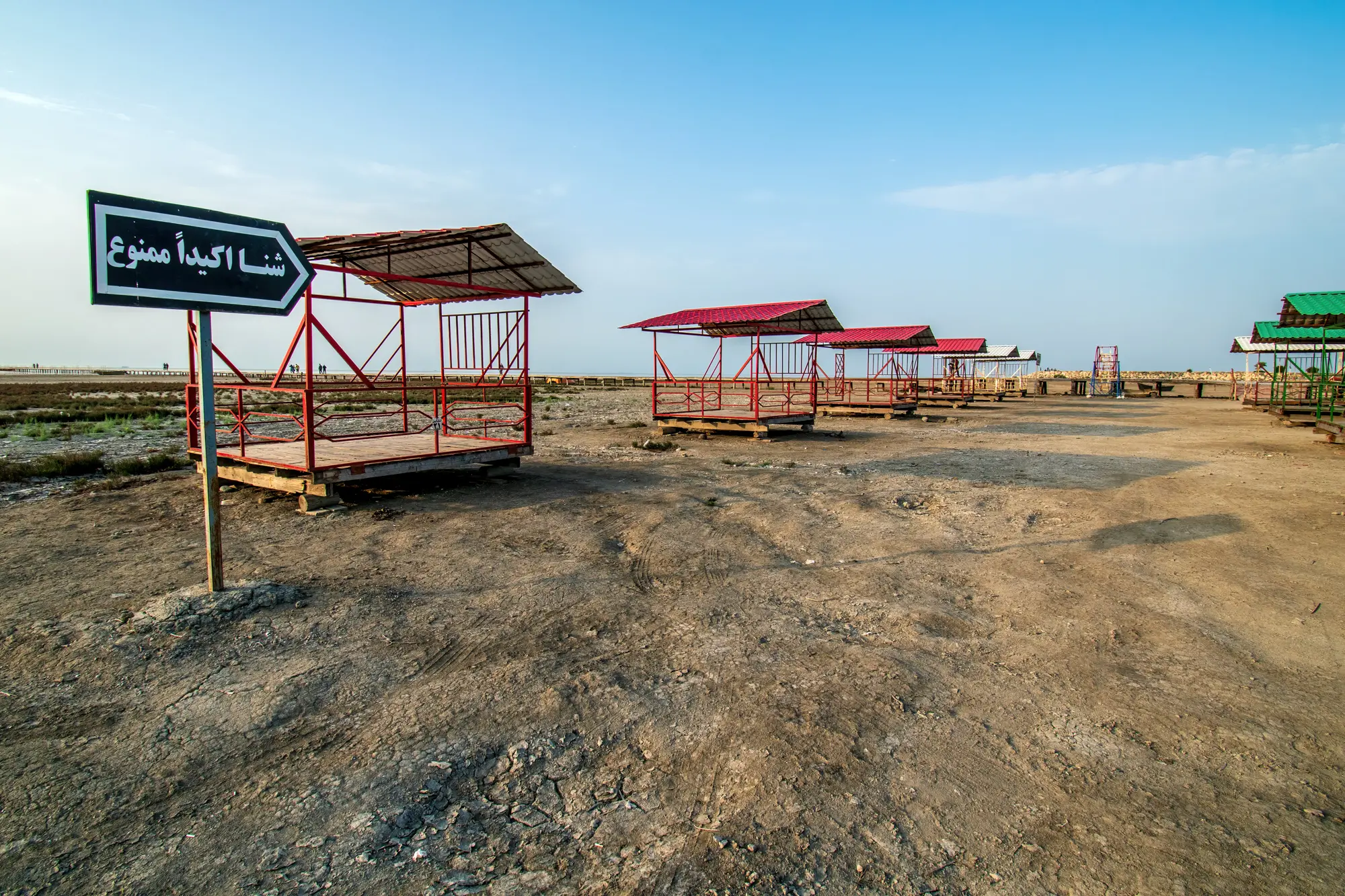
Waiting by the Shore
Bandar-e Gaz pier, summer 2023. Unused shelters stand along a shoreline increasingly abandoned by tourists.
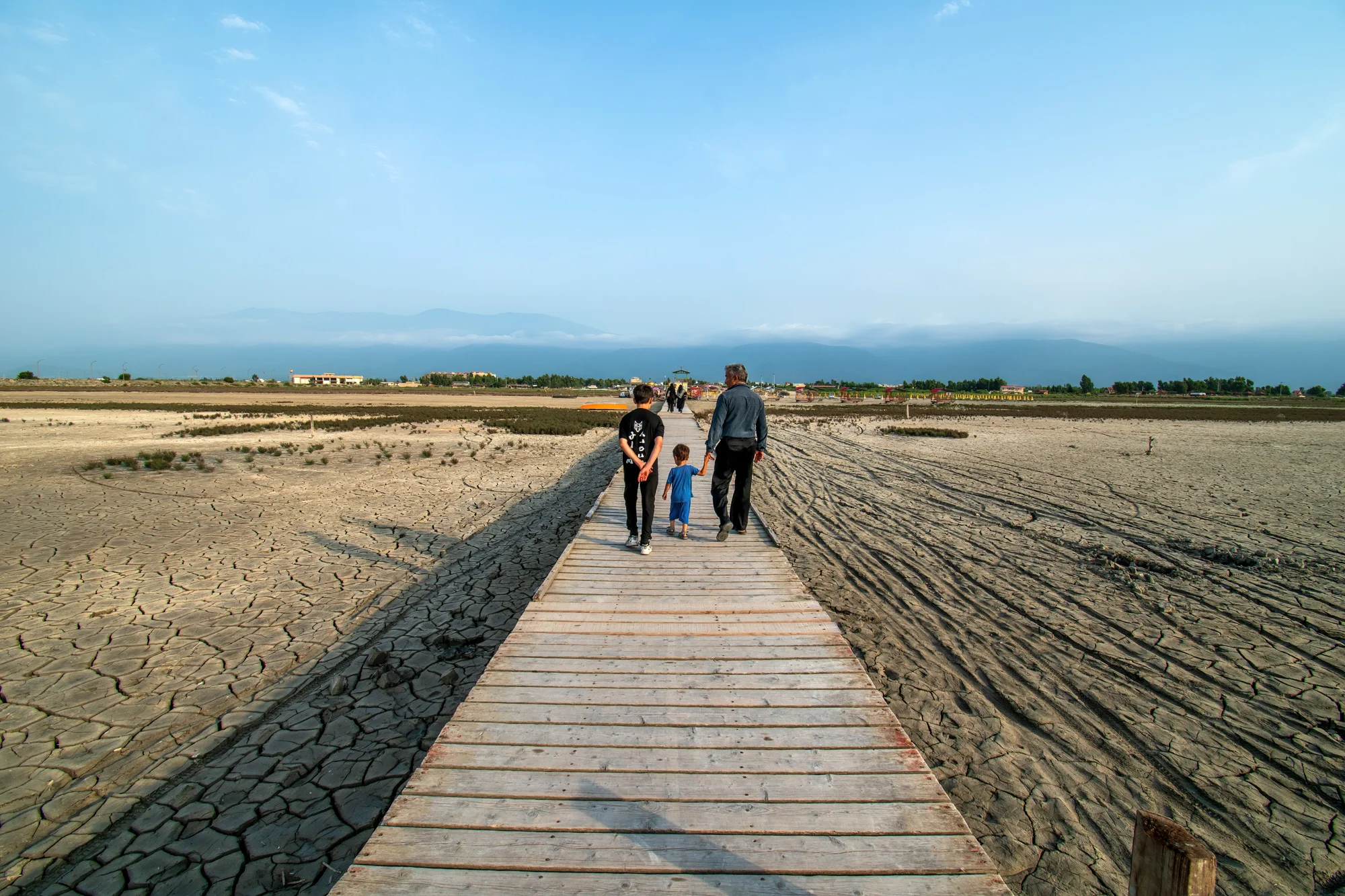
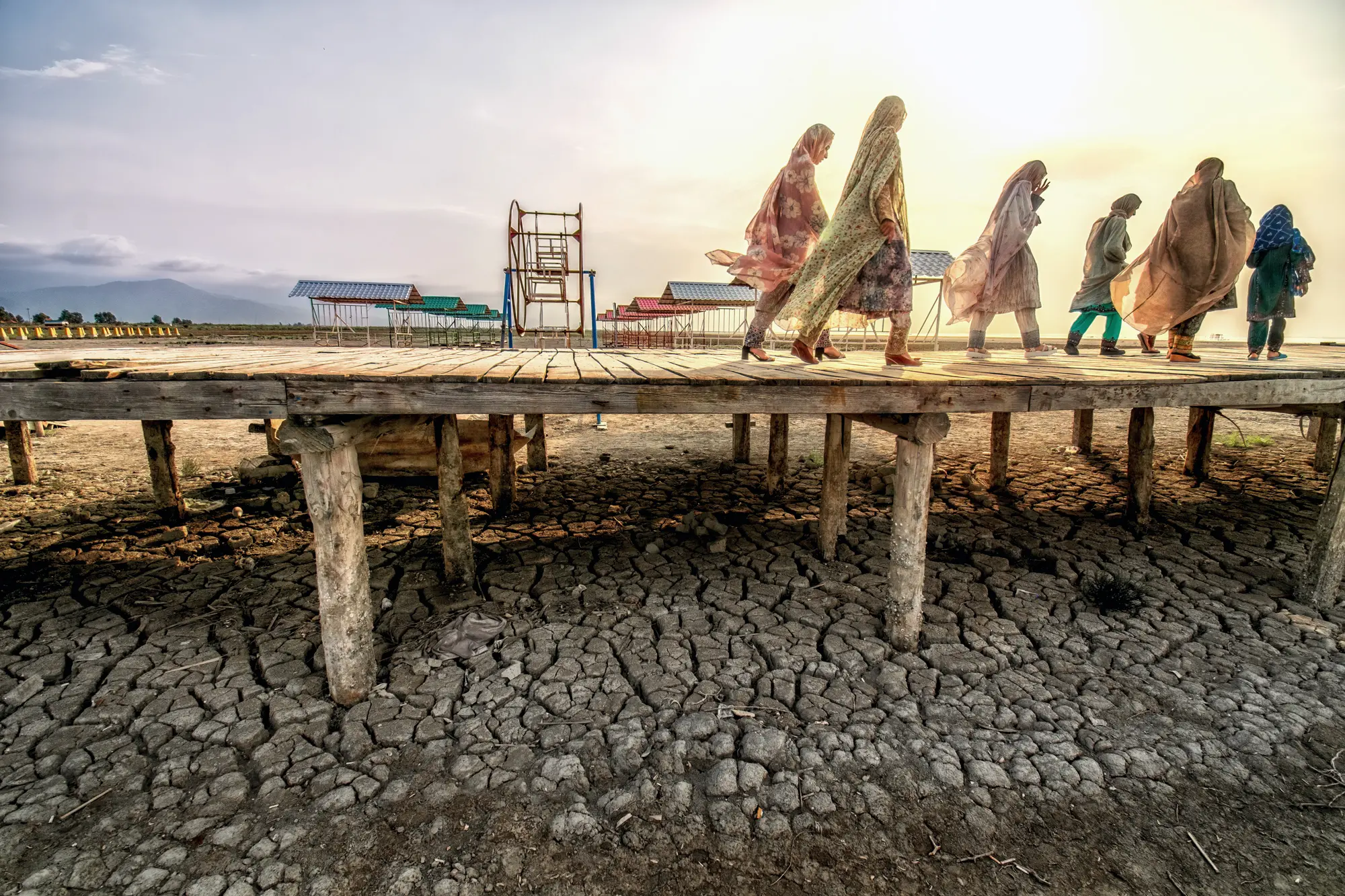
The Lengthening Pier
Bandar-e Gaz pier, summer 2023. Visitors walk along a 1,200-meter wooden pier that must extend farther each year to reach the water.
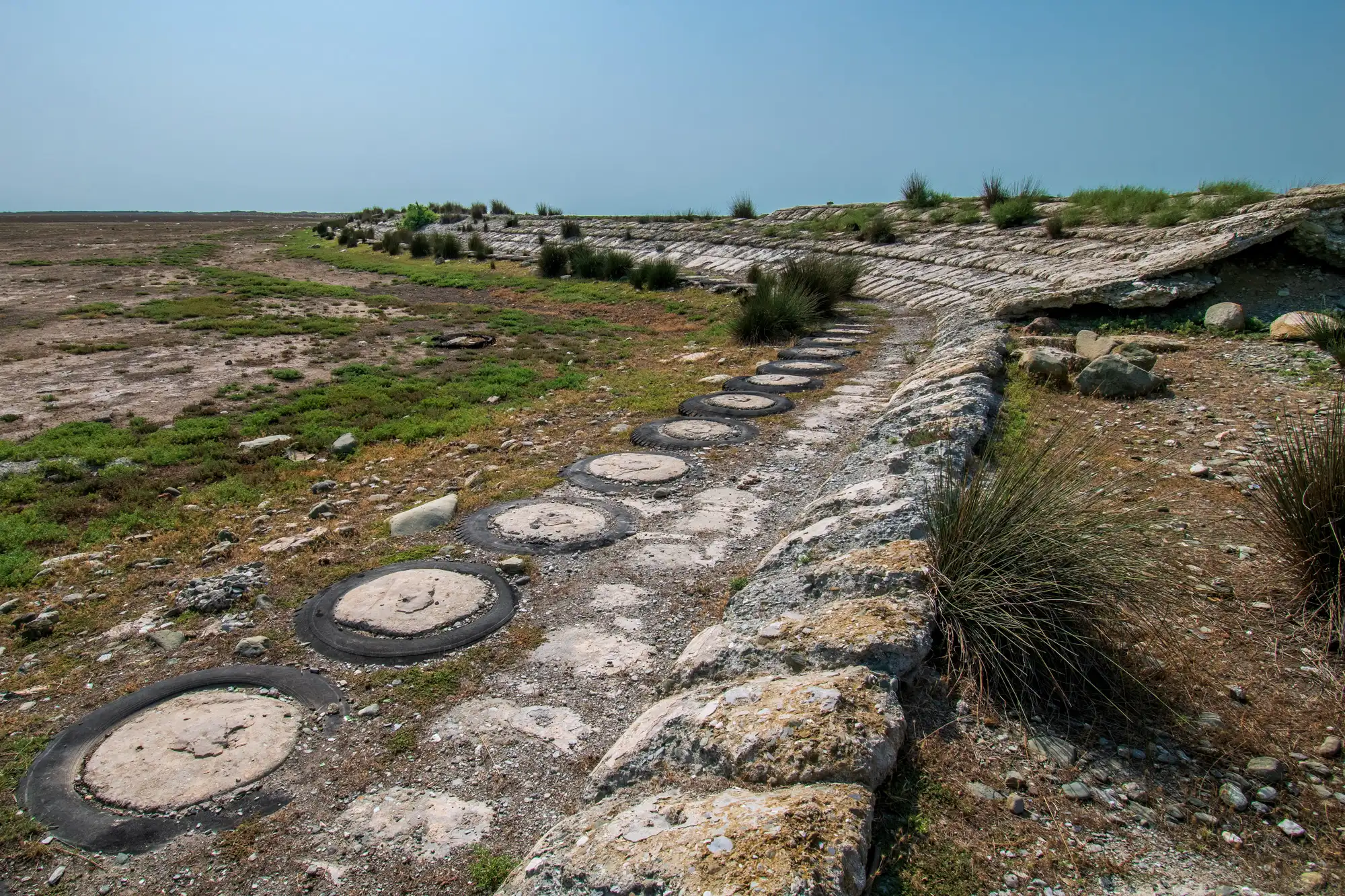
Against the Waves
Chapaghli coast, summer 2023. Breakwaters that once stood against the storm waves of the Caspian Sea now face a receding shoreline.
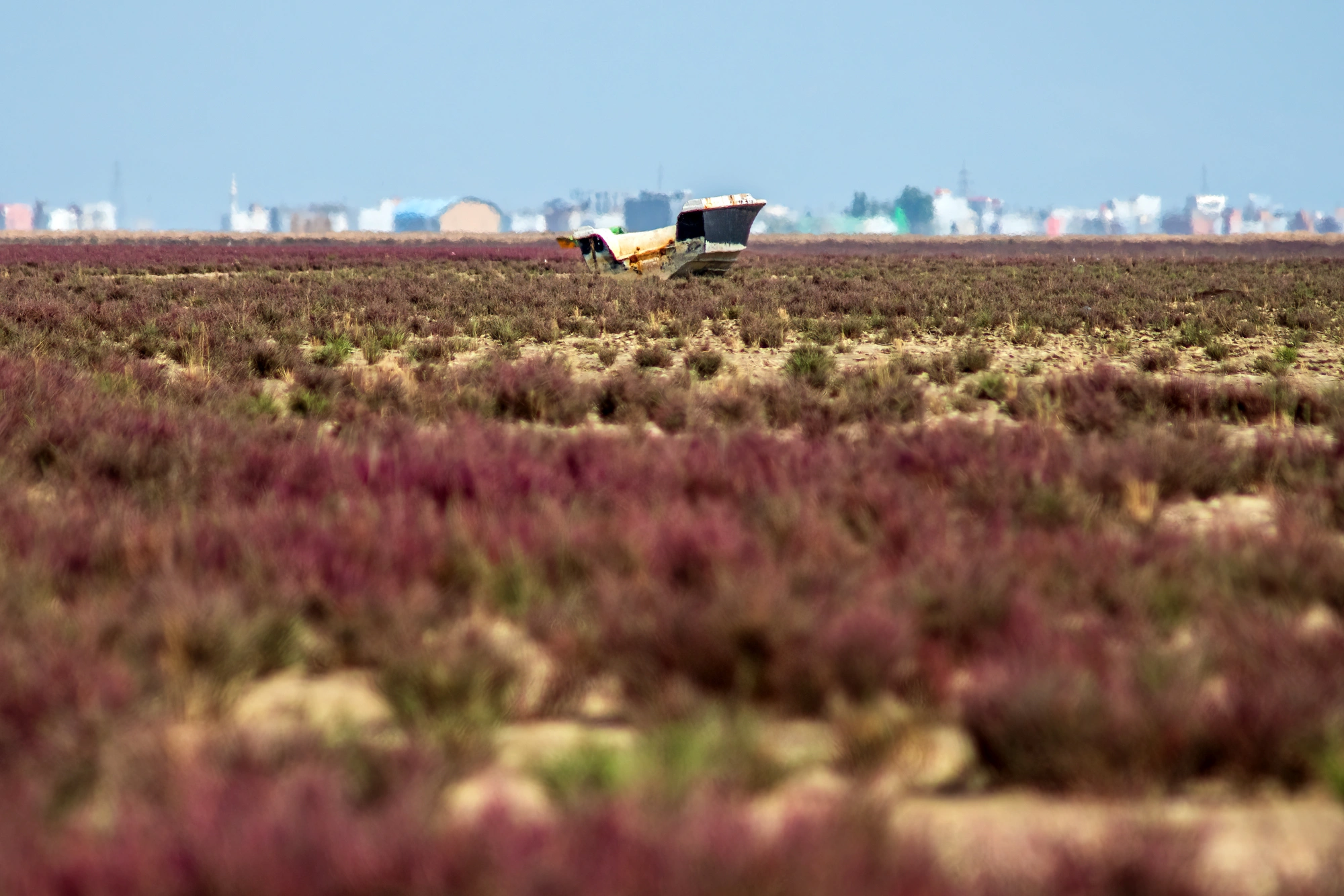
Stranded
Bandar-e Torkaman coast, summer 2023. A fishing boat lies stranded far from the retreating water.
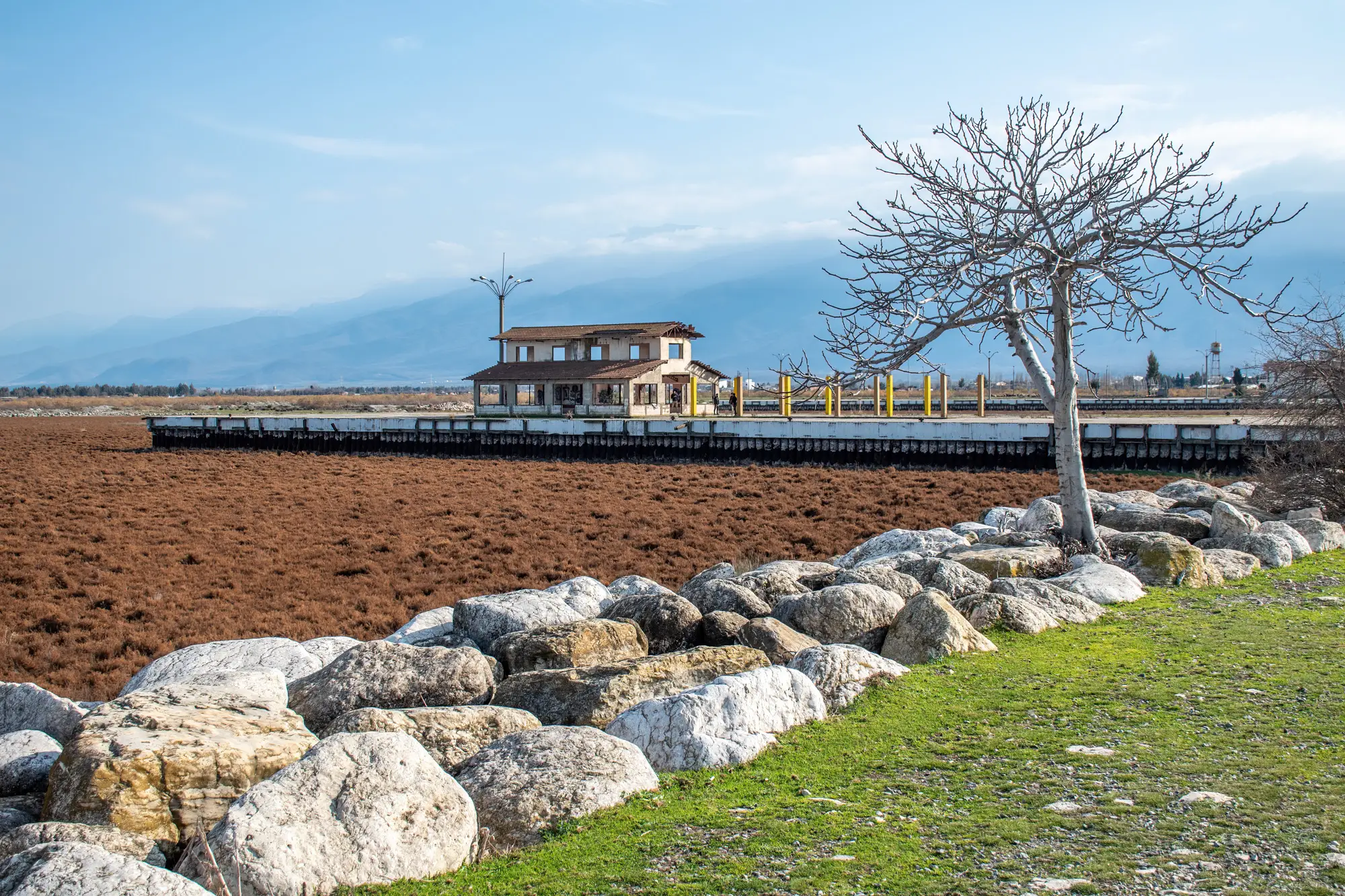
An Abandoned Harbor
Bandar-e Gaz pier, summer 2023. The commercial harbor building stands beside breakwaters left unused by the retreating sea.
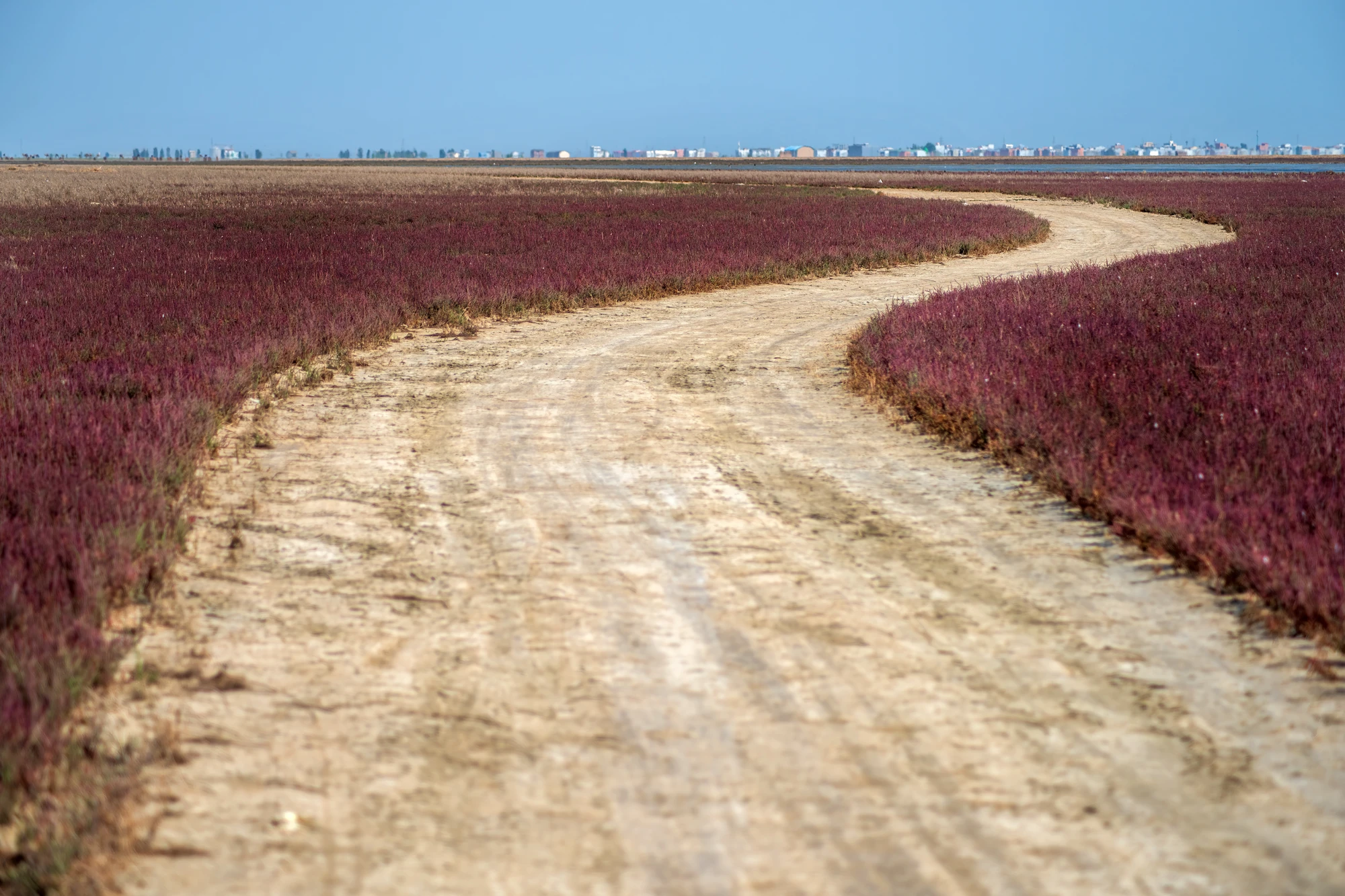
The New Road to the Sea
Bandar-e Torkaman coast, summer 2023. A road built to carry fishing boats toward the sea now crosses what was once the bed of Gorgan Bay.
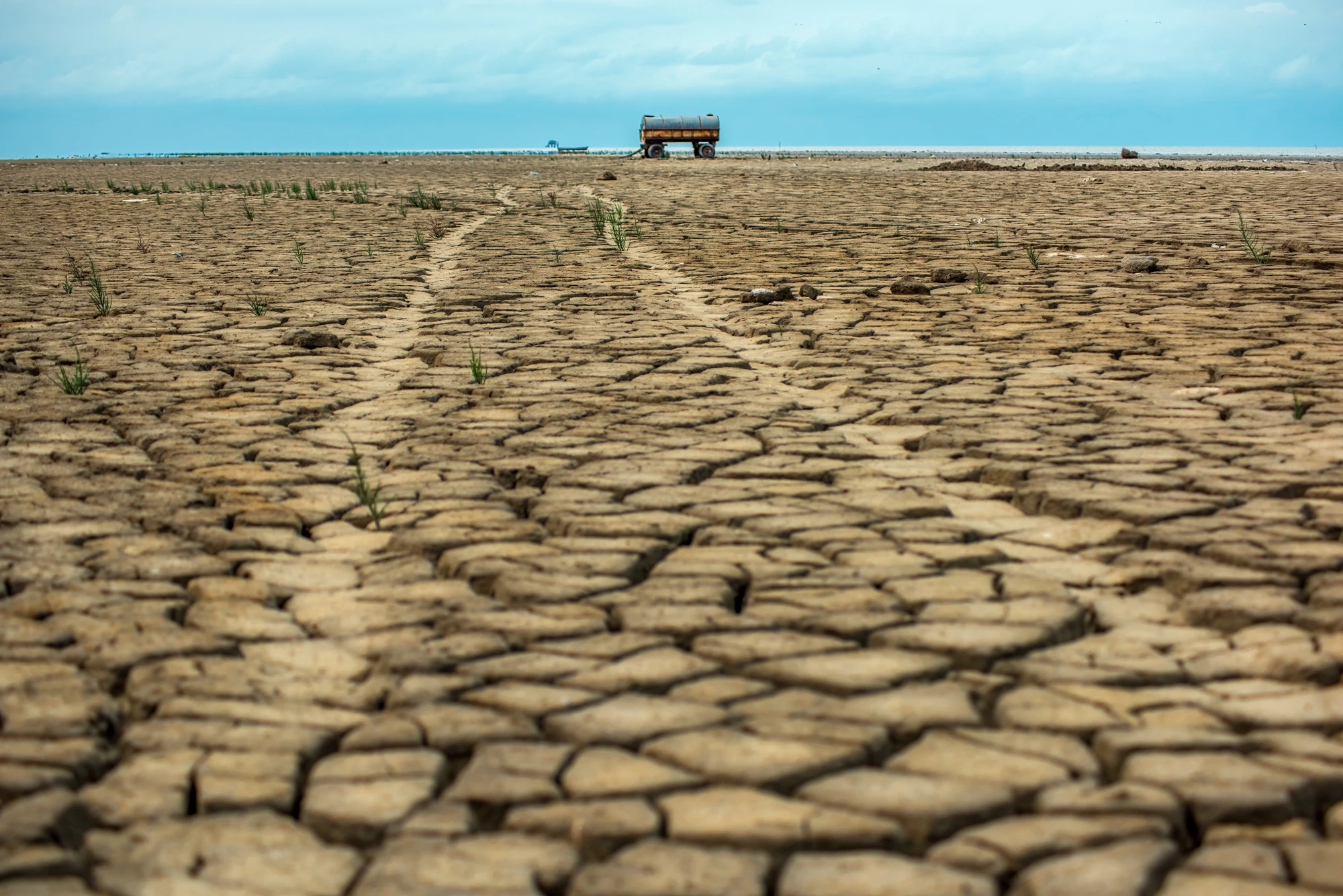
Water Brought by Tanker
Gomishan coast, summer 2023. A water tanker supplies environmental patrol units where, according to local residents, the water once reached depths of more than four meters.
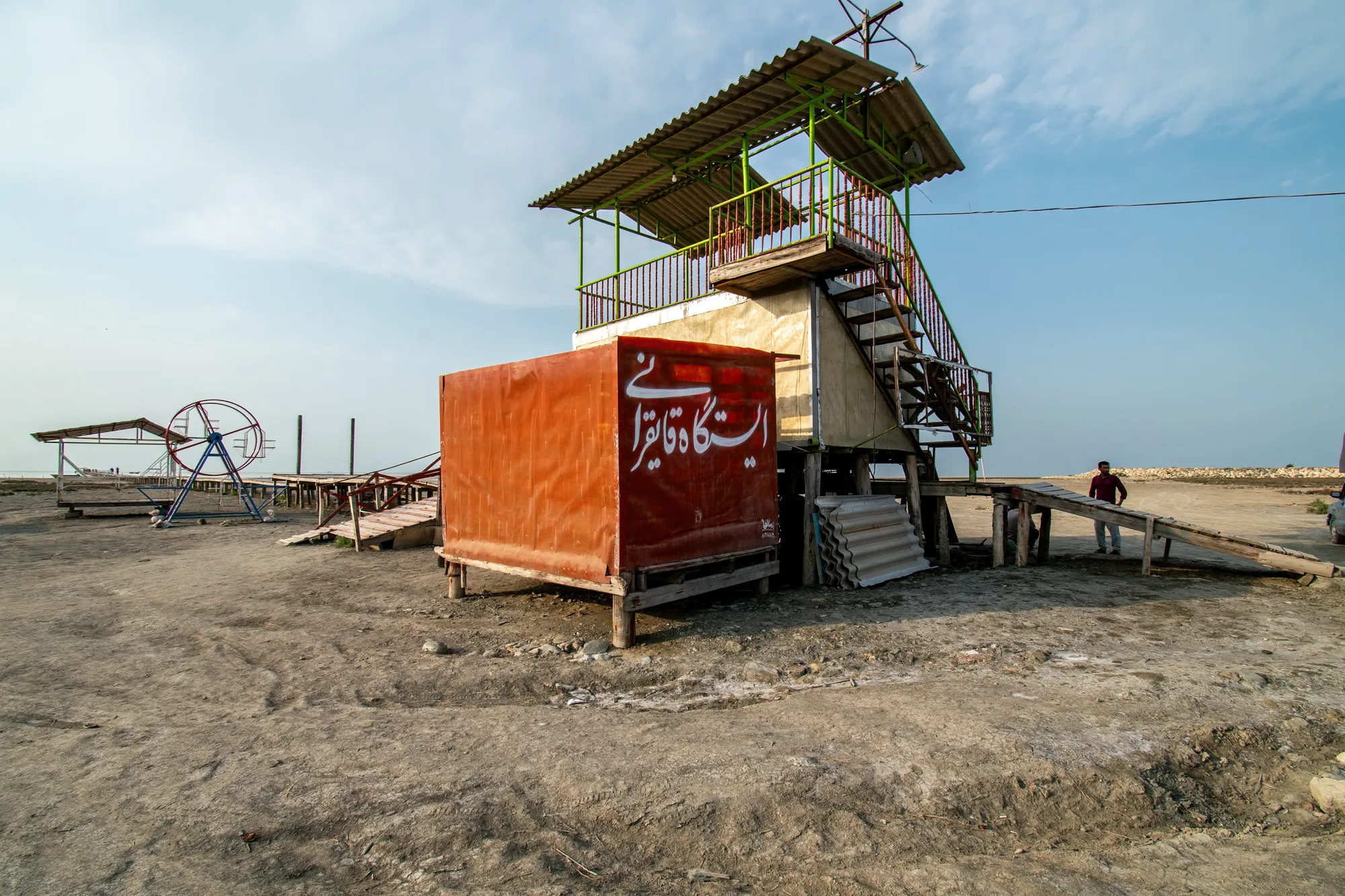
A Pier Without Boats
Bandar-e Gaz pier, summer 2023. The recreational boating station has been left unused as the water retreats from the shore.
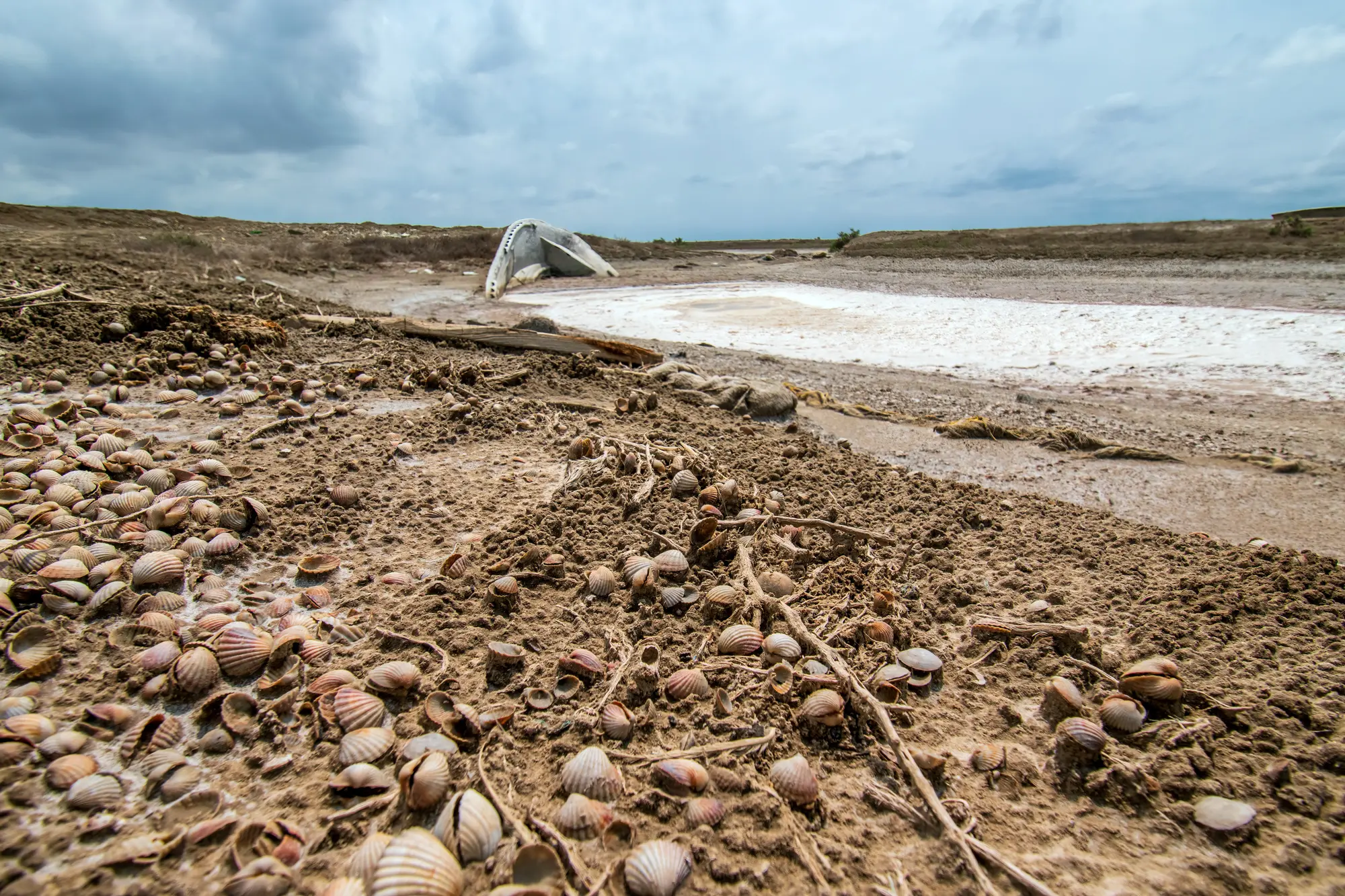
Salt and Mud
Khajeh Nafas coast, summer 2023. A stranded boat rests beside salt flats formed by the retreating waters, an emerging landscape that could become a source of dust in the region.
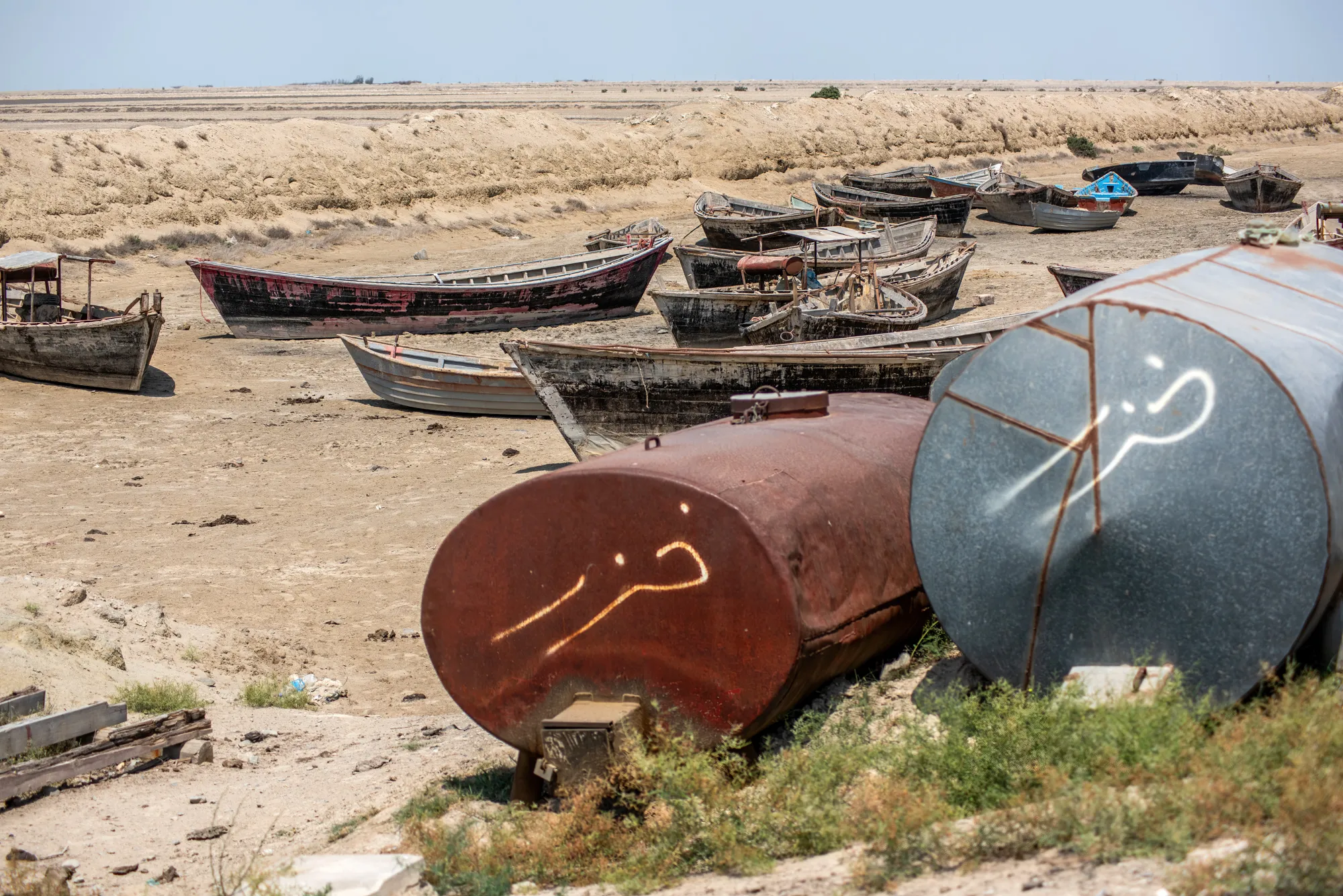
Boats Without a Sea
Khajeh Nafas coast, summer 2023. Local fishermen's boats lie stranded along the village shore, no longer able to reach the water.
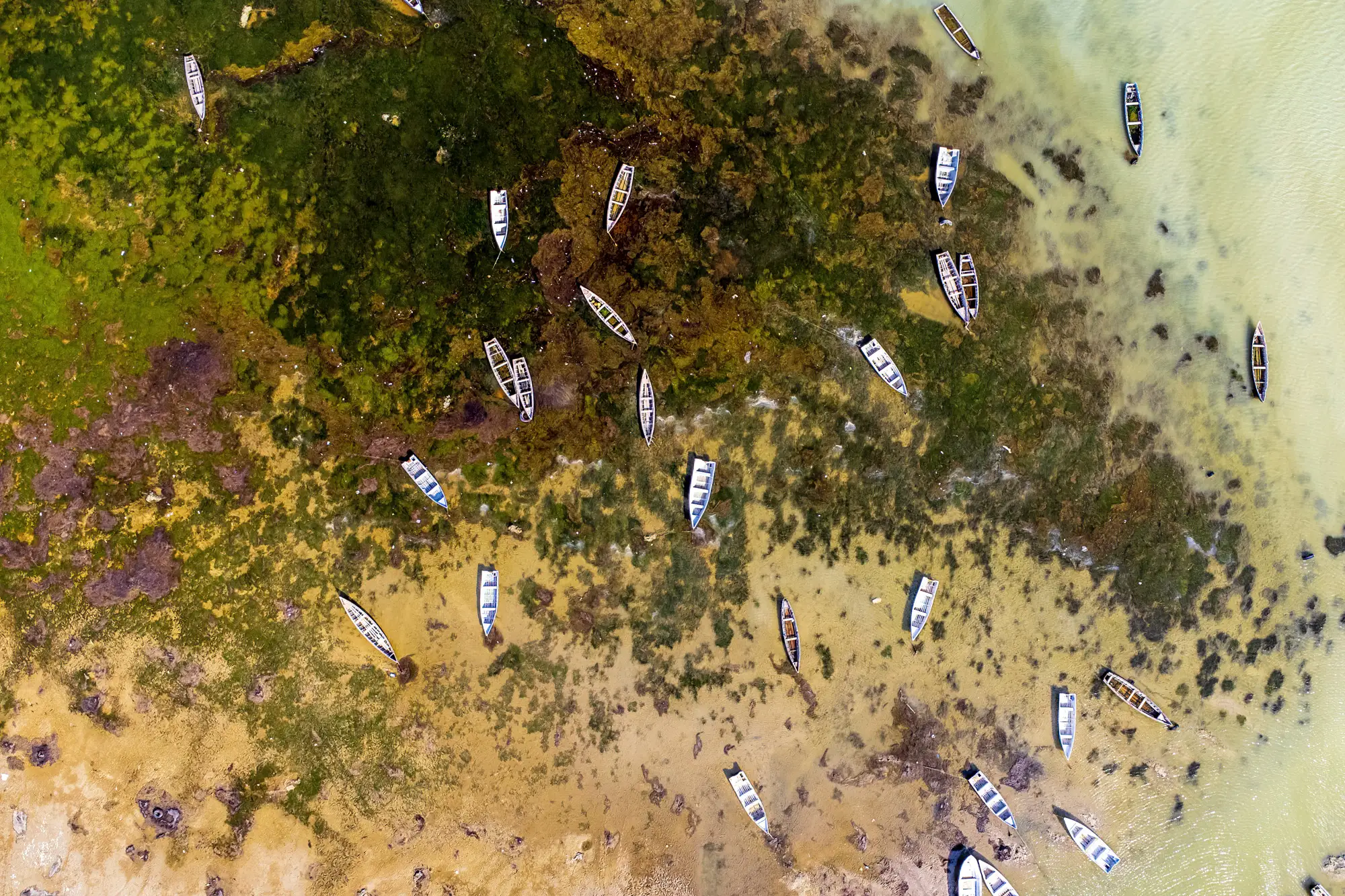
The Stranded Fleet
Chapaghli coast, summer 2023. An aerial view of fishing boats stranded along the muddy, shrinking shoreline.
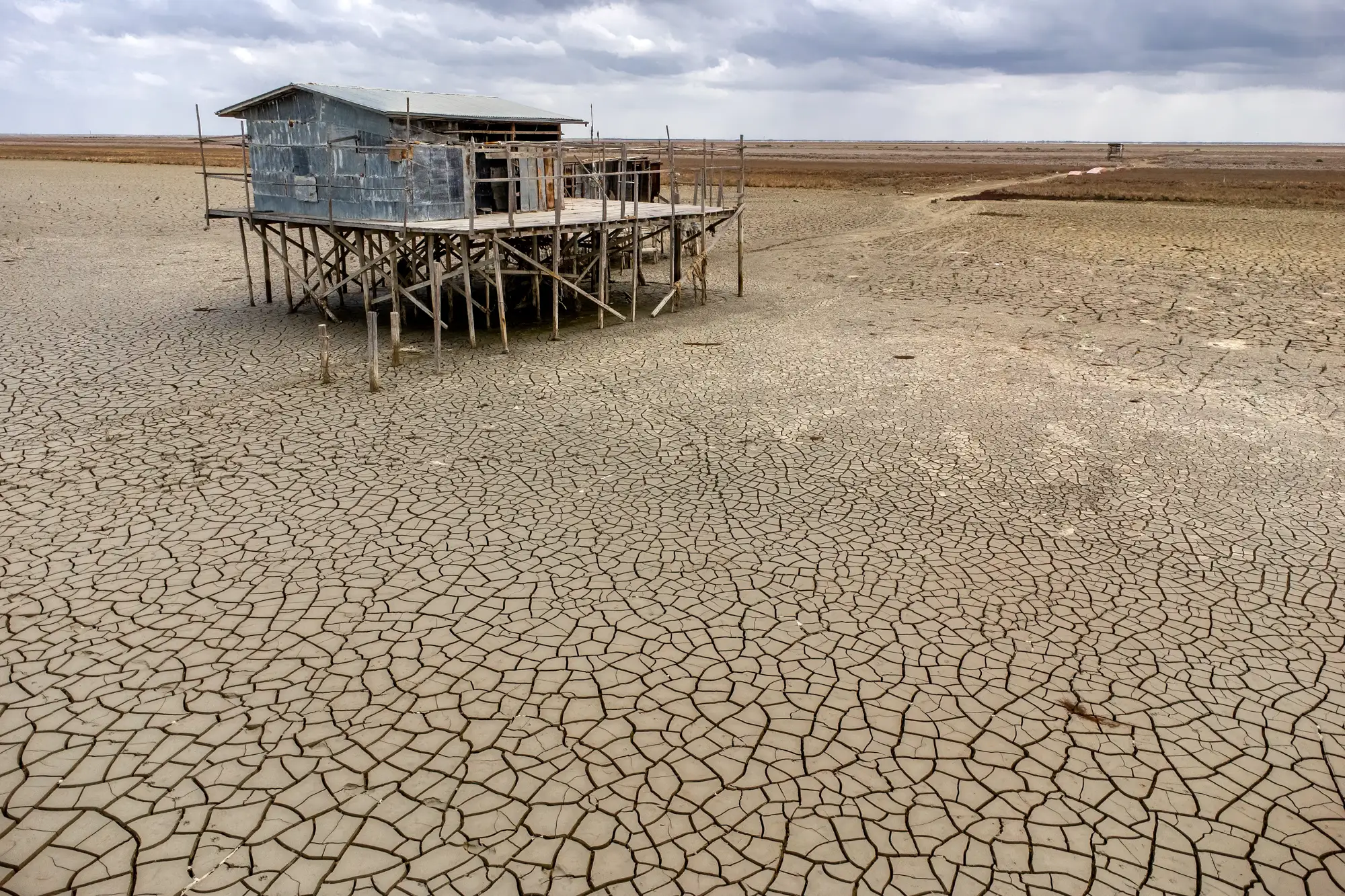
A Forgotten Harbor
Gomishan Wetland, summer 2023. An abandoned pier once used in the processing of Iran's prized caviar now stands unused.
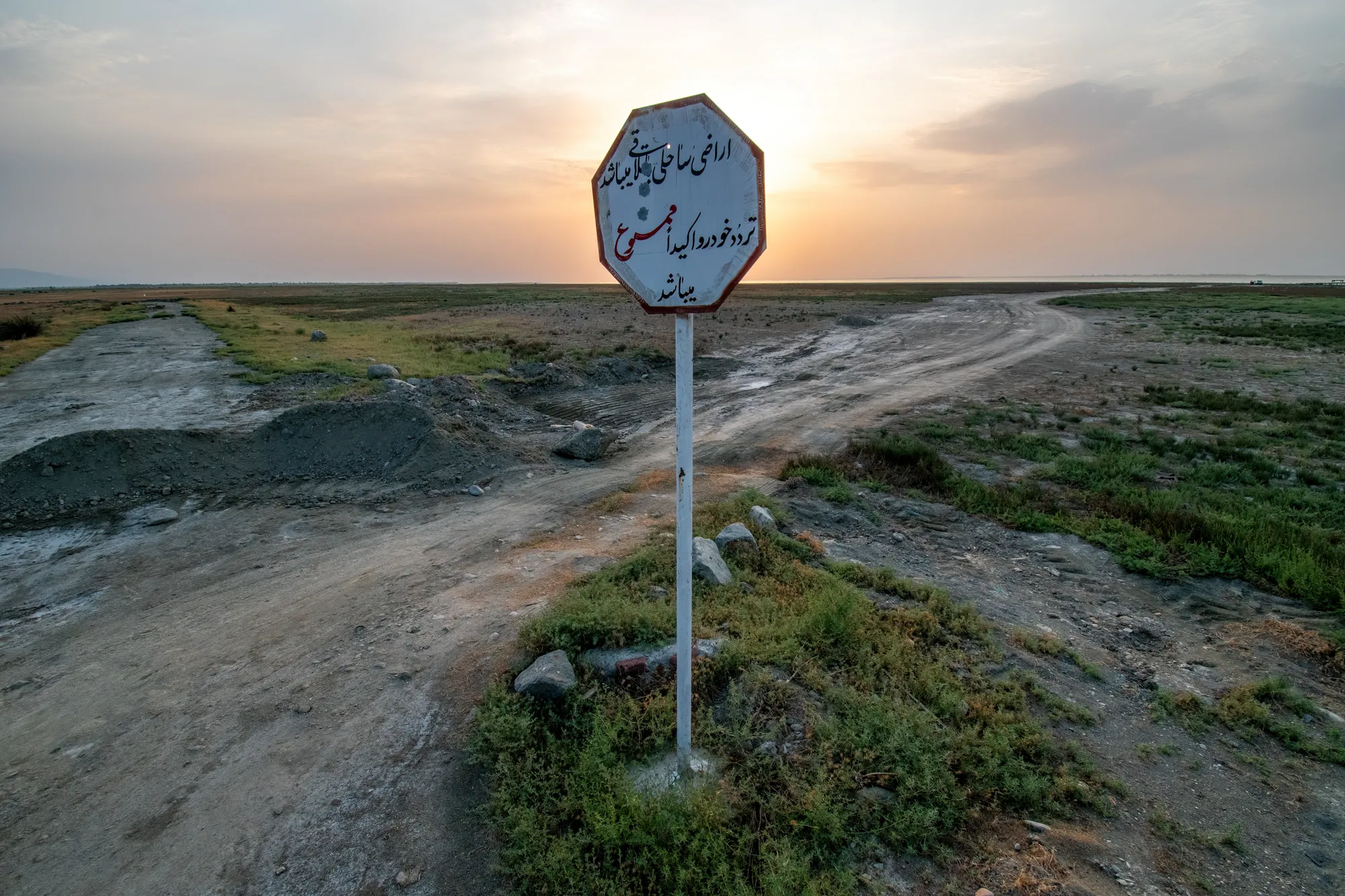
The Impassable Shore
Nokandeh coast, summer 2023. As the water retreats, much of Gorgan Bay's shoreline has turned into muddy, foul-smelling wetlands that are difficult to cross.
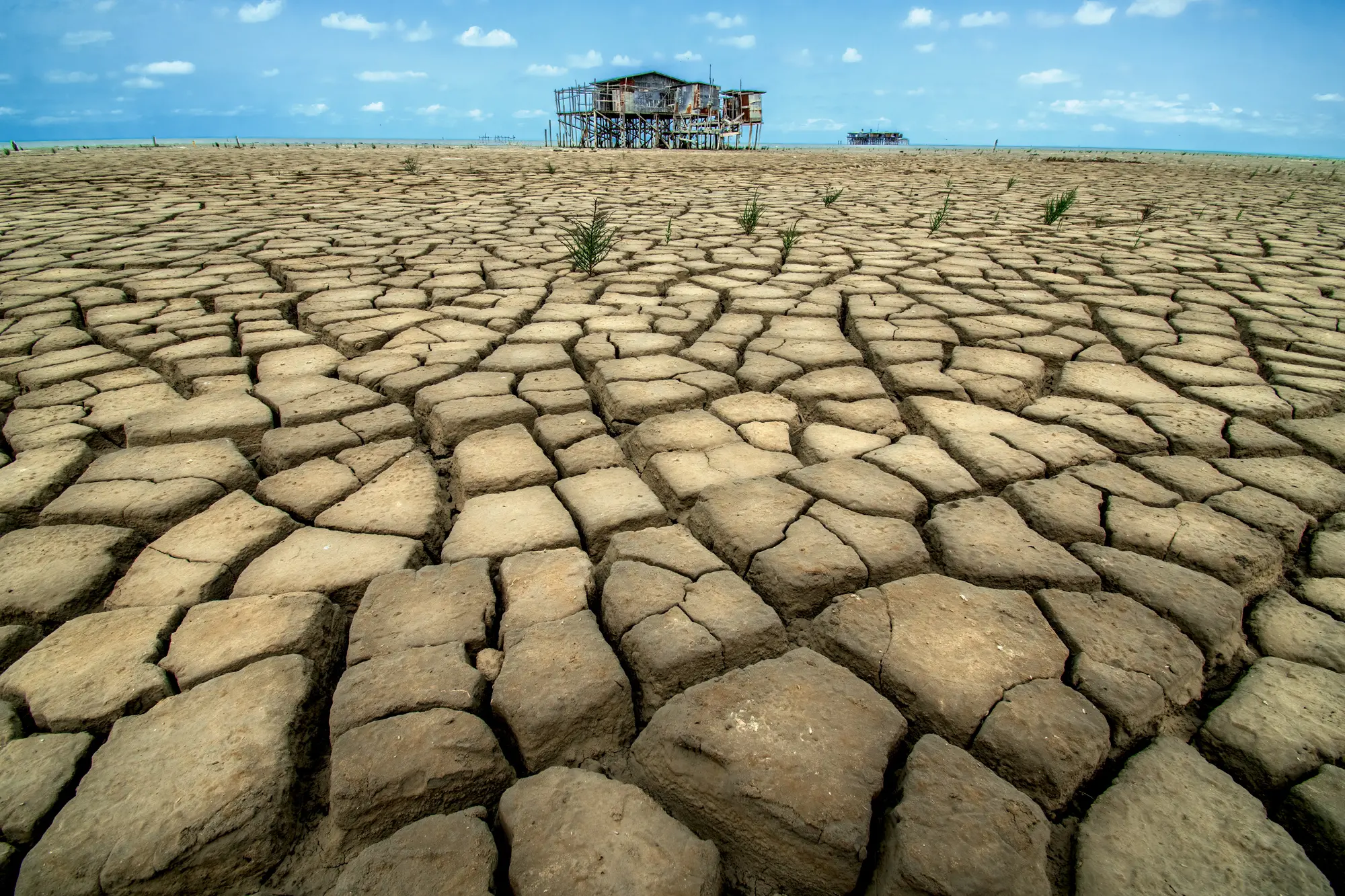
Four Meters Above Nothing
Near the Iran–Turkmenistan border, summer 2023. The coastal protection unit's pier remains standing on four-meter-high supports above the dry bed of the former bay.
Narrative Statement
— Mohammad Ataei
Continue the Journey
3 Stories Available — Scroll or use arrows to explore